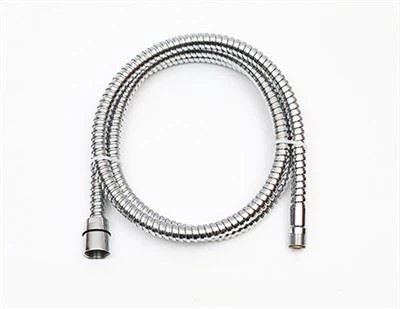
When it comes to various applications of hoses, PVC connection hoses have become a popular choice due to their flexibility, durability, and cost - effectiveness. One of the common questions that both consumers and industry professionals often ask is: "Is a PVC connection hose UV - resistant?" As a PVC Connection Hose supplier, I'd like to dive deep into this topic and share comprehensive insights.
Understanding PVC and UV Radiation
PVC, or polyvinyl chloride, is a widely used plastic polymer. It is known for its versatility and can be found in numerous products, from pipes to hoses. However, PVC is vulnerable to the effects of ultraviolet (UV) radiation, which is a part of the sun's spectrum. UV radiation consists of UVA, UVB, and UVC rays. While the ozone layer absorbs most of the UVC rays, UVA and UVB rays reach the Earth's surface and can cause damage to PVC materials.
When PVC is exposed to UV radiation over time, it can lead to a series of detrimental effects. One of the most noticeable changes is discoloration. The hose may turn yellow or brown, which not only affects its aesthetic appearance but could also be an indication of more severe internal damage. UV rays break down the chemical bonds in PVC, causing the material to become brittle. This brittleness increases the likelihood of cracks forming on the surface of the hose. Cracks can compromise the integrity of the hose, leading to leaks and potential system failures, especially in applications where the hose is under pressure.
The Role of UV Stabilizers
To enhance the UV - resistance of PVC connection hoses, manufacturers often add UV stabilizers during the production process. These stabilizers act as a shield, absorbing and dissipating UV energy before it can cause significant damage to the PVC structure.
There are different types of UV stabilizers available. One common type is the benzotriazoles. These chemicals work by absorbing UV radiation in the UVA and UVB range and converting it into heat energy, which is then dissipated. Another type is the hindered amine light stabilizers (HALS). HALS work in a different way; they scavenge the free radicals that are generated when PVC is exposed to UV radiation, preventing the chain reactions that lead to degradation.


The effectiveness of UV stabilizers depends on several factors. The amount of stabilizer used is crucial. If too little stabilizer is added, it may not provide sufficient protection against UV radiation. On the other hand, using too much can have negative impacts on the mechanical properties of the PVC, such as reducing its flexibility. The quality of the stabilizer also matters. High - quality stabilizers are more efficient at protecting the PVC material over a longer period.
Factors Affecting UV Resistance in PVC Connection Hoses
Apart from the presence of UV stabilizers, there are other factors that influence the UV resistance of PVC connection hoses.
1. Hose Thickness: Thicker hoses generally have better UV resistance. A thicker layer of PVC means that there is more material to absorb and withstand the impact of UV radiation. The outer layer, which is directly exposed to the sun, can act as a buffer, protecting the inner layers from the full force of the UV rays.
2. Color of the Hose: The color of the PVC connection hose can also play a role in its UV resistance. Darker colors, such as black, tend to absorb more heat. While this may seem like a disadvantage, in the context of UV resistance, it can actually be beneficial. The black color can help to absorb and disperse the UV energy more effectively compared to lighter colors. You can check out our Black Braided Hose for a hose with good UV - related properties.
3. Environmental Conditions: The intensity and duration of sunlight exposure vary depending on the geographical location. Areas closer to the equator receive more intense and prolonged sunlight throughout the year. In such regions, PVC connection hoses are more likely to experience faster degradation due to UV radiation. Additionally, other environmental factors such as humidity, temperature, and air pollution can interact with UV radiation and exacerbate the damage to the hose.
Applications of PVC Connection Hoses and UV Exposure
PVC connection hoses are used in a wide range of applications, some of which involve significant UV exposure.
1. Outdoor Plumbing: In outdoor plumbing systems, PVC connection hoses are used for tasks such as connecting faucets to garden hoses or for irrigation systems. These hoses are constantly exposed to sunlight, making UV resistance a critical factor. A hose with poor UV resistance may develop cracks and leaks quickly, leading to water wastage and potential damage to the plumbing system.
2. Recreational Vehicles (RVs): RVs often use PVC connection hoses for water supply and drainage. When parked outdoors, these hoses are exposed to the sun for extended periods. UV - resistant hoses are essential to ensure the long - term functionality of the RV's water systems.
3. Pool and Spa Applications: PVC connection hoses are used in pool and spa systems for water circulation. They are typically located near the pool or spa area, where they are exposed to sunlight and chlorine in the water. Chlorine can also react with UV - damaged PVC, further accelerating the degradation process. Thus, in these applications, high - quality UV - resistant hoses are necessary.
Our Product Offerings and UV Resistance
As a PVC Connection Hose supplier, we understand the importance of UV resistance in various applications. That's why we offer a range of PVC connection hoses formulated with high - quality UV stabilizers to ensure maximum protection against UV radiation.
Our PVC Connection Hose is designed to withstand the rigors of outdoor use. We use a carefully selected combination of UV stabilizers in the manufacturing process. Our hoses are available in different thicknesses and colors to meet the diverse needs of our customers. The black hoses, in particular, are known for their enhanced UV - absorbing properties.
In addition to our standard PVC connection hoses, we also offer Nylon Braided Shower Hose which may also be exposed to some level of sunlight in certain outdoor shower setups. These hoses are also engineered with UV - resistant features to ensure their longevity.
The Importance of Choosing the Right PVC Connection Hose
Selecting the right PVC connection hose with appropriate UV resistance can save you time and money in the long run. A hose that quickly degrades due to UV exposure will need to be replaced frequently, increasing maintenance costs. Moreover, a failed hose can cause disruptions in your system, whether it's a plumbing failure in your home or a malfunction in an industrial process.
By choosing our PVC connection hoses, you can have peace of mind knowing that you are getting a product that is designed to last even under harsh UV conditions. Our hoses are tested rigorously to ensure they meet the highest standards of UV resistance and overall performance.
Conclusion and Call to Action
In conclusion, while PVC is inherently vulnerable to UV radiation, PVC connection hoses can be made UV - resistant through the addition of appropriate stabilizers and careful product design. As a PVC Connection Hose supplier, we are committed to providing high - quality products that can withstand the challenges of UV exposure in various applications.
If you are in need of PVC connection hoses or have any questions about UV resistance and our product offerings, we encourage you to contact us for procurement and further discussions. Whether you are a homeowner looking for a reliable hose for your garden or an industry professional in need of hoses for a large - scale project, we are here to assist you.
References
- "Plastic Materials and Their Properties" by Charles A. Harper
- "The Science of UV Radiation and Its Effects on Polymers" by various polymer science researchers in industry - leading journals.