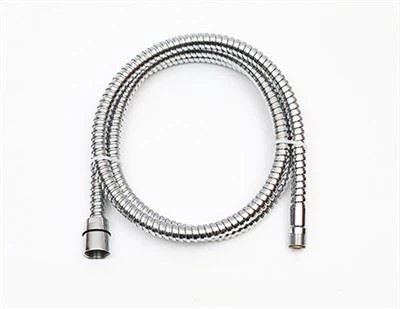
Hey there! I'm a supplier of Pull Out Faucet Hoses, and I've seen my fair share of issues with mineral deposits in these hoses. It's a common problem that can really mess with the performance of your faucet hose. In this blog, I'll share some tips on how to remove those pesky mineral deposits and keep your hose in top shape.
Why Mineral Deposits Are a Problem
First off, let's talk about why mineral deposits are such a pain. When water flows through your faucet hose, it can carry minerals like calcium and magnesium. Over time, these minerals can build up inside the hose, causing clogs and reducing water flow. You might notice that your water pressure is lower than usual, or that the water comes out in a weak, uneven stream. Not only is this annoying, but it can also lead to more serious problems down the line, like leaks or even a complete breakdown of the hose.
Tools and Materials You'll Need
Before you start cleaning your pull-out faucet hose, you'll need to gather a few tools and materials. Here's what you'll need:
- White vinegar: This is a natural and effective cleaner that can dissolve mineral deposits.
- A plastic bag: You'll use this to soak the end of the hose in the vinegar.
- Rubber bands: These will help you secure the plastic bag to the hose.
- A small brush: You can use an old toothbrush or a small cleaning brush to scrub away any stubborn deposits.
- A bucket: You'll need this to catch any water that drips out of the hose.
Step-by-Step Guide to Removing Mineral Deposits
Now that you have everything you need, let's get started on removing those mineral deposits. Here's a step-by-step guide:
- Turn off the water supply: Before you start working on the hose, make sure to turn off the water supply to your faucet. This will prevent any water from leaking out while you're cleaning the hose.
- Detach the hose from the faucet: Most pull-out faucet hoses can be easily detached from the faucet by unscrewing the connector. Once you've detached the hose, place it in the bucket to catch any water that drips out.
- Fill the plastic bag with vinegar: Pour enough white vinegar into the plastic bag to completely submerge the end of the hose. Make sure to leave enough room in the bag to fit the end of the hose.
- Secure the plastic bag to the hose: Place the end of the hose into the plastic bag and use the rubber bands to secure the bag to the hose. Make sure the bag is tightly sealed around the hose to prevent any vinegar from leaking out.
- Let the hose soak in the vinegar: Leave the hose soaking in the vinegar for at least an hour, or overnight for stubborn deposits. The vinegar will dissolve the mineral deposits and make them easier to remove.
- Scrub the hose with a brush: After the hose has soaked in the vinegar, remove the plastic bag and use the small brush to scrub away any remaining deposits. Pay special attention to the inside of the hose, where the deposits are most likely to build up.
- Rinse the hose thoroughly: Once you've scrubbed the hose, rinse it thoroughly with clean water to remove any vinegar and loosened deposits. Make sure to rinse the inside of the hose as well.
- Reattach the hose to the faucet: Once the hose is clean and dry, reattach it to the faucet by screwing the connector back on. Make sure the connection is tight to prevent any leaks.
- Turn on the water supply: Finally, turn on the water supply to your faucet and check for any leaks. If everything looks good, you're done! Your pull-out faucet hose should now be free of mineral deposits and working like new.
Other Tips for Preventing Mineral Deposits
In addition to cleaning your pull-out faucet hose regularly, there are a few other things you can do to prevent mineral deposits from building up in the first place. Here are some tips:
- Use a water softener: If you have hard water, a water softener can help reduce the amount of minerals in your water. This can prevent mineral deposits from forming in your faucet hose and other plumbing fixtures.
- Wipe down the hose after each use: After you're done using the faucet, wipe down the hose with a clean cloth to remove any water droplets. This can prevent mineral deposits from forming on the outside of the hose.
- Flush the hose regularly: Once a month, turn on the faucet and let the water run through the hose for a few minutes. This can help flush out any loose deposits and prevent them from building up inside the hose.
Our Pull Out Faucet Hose Products
As a supplier of Pull Out Faucet Hoses, we offer a wide range of high-quality products to meet your needs. Here are some of our popular products:
- Stainless Steel Pull-out Hose: This hose is made of durable stainless steel and is resistant to corrosion and rust. It's available in a variety of lengths and finishes to match your faucet.
- 360 Degree Pull-out Hose: This hose features a 360-degree swivel joint, which allows you to easily move the hose in any direction. It's perfect for reaching all areas of your sink or bathtub.
- Nylon Pull-out Hose: This hose is made of flexible nylon and is lightweight and easy to handle. It's available in a variety of colors and styles to match your decor.
If you're interested in purchasing any of our Pull Out Faucet Hoses, please don't hesitate to contact us. We'd be happy to help you find the right product for your needs and answer any questions you may have.


Conclusion
Removing mineral deposits from a pull-out faucet hose is a simple and easy task that can be done with a few common household items. By following the steps outlined in this blog, you can keep your hose in top shape and prevent any problems from occurring. And if you're in the market for a new pull-out faucet hose, be sure to check out our products. We offer a wide range of high-quality hoses at competitive prices. Thanks for reading!
References
- "How to Clean a Faucet Aerator and Hose." The Spruce, https://www.thespruce.com/how-to-clean-a-faucet-aerator-and-hose-1388871.
- "How to Remove Mineral Deposits from a Faucet." Bob Vila, https://www.bobvila.com/articles/how-to-remove-mineral-deposits-from-a-faucet/.
- "Preventing Mineral Deposits in Your Plumbing." Family Handyman, https://www.familyhandyman.com/article/preventing-mineral-deposits-in-your-plumbing/.