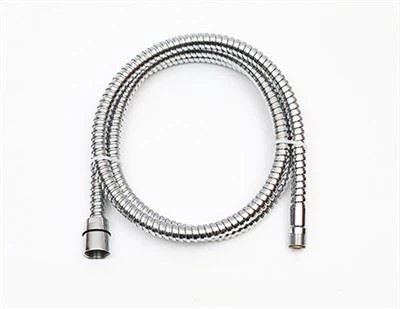
Hey there! As a gas hose supplier, I've seen firsthand how confusing those markings on gas hoses can be. But don't worry, I'm here to break it down for you in plain English. Understanding these markings is super important for safety and making sure you're using the right hose for the job.
Let's start with the basics. Gas hoses come in different types, like Gas Connect Hose, PVC Gas Hose, and Natural Gas Flex Hose. Each one might have unique markings based on its material, intended use, and safety standards.
The first thing you'll notice on a gas hose are usually numbers and letters. These can tell you all sorts of things about the hose. For example, the diameter of the hose is often marked. A larger diameter hose can handle more gas flow, which is crucial for applications that require a high volume of gas. Let's say you're using a gas hose for a big industrial burner. You'll need a hose with a wider diameter to make sure there's enough gas getting to the burner.
Another important marking is the pressure rating. This indicates the maximum amount of pressure the hose can handle safely. If you use a hose at a pressure higher than its rating, it can lead to serious problems, like leaks or even explosions. So, always check the pressure rating and make sure it matches the requirements of your gas system. For instance, if you're using a natural gas system in your home, the pressure is typically lower than in an industrial setting. You'll need a hose with an appropriate pressure rating for your home setup.
The material of the hose is also marked. Some hoses are made of rubber, while others are PVC or a combination of materials. Different materials have different properties. Rubber hoses are often more flexible and can withstand a wider range of temperatures. PVC hoses, on the other hand, are usually more affordable and resistant to certain chemicals. The markings will tell you what the hose is made of, so you can choose the right one for your specific needs.
You might also see markings related to the type of gas the hose is designed for. Some hoses are only suitable for natural gas, while others can handle propane or other types of gases. Using the wrong hose for a particular gas can be dangerous. For example, propane has different properties than natural gas, and a hose designed for natural gas might not be able to handle the pressure or chemical composition of propane.
In addition to these basic markings, there are often symbols and codes that indicate compliance with safety standards. These standards are set by organizations to ensure that gas hoses are safe to use. The markings might show that the hose meets standards like ISO (International Organization for Standardization) or other national or industry - specific standards. When you see these markings, you can be more confident that the hose has been tested and meets certain quality and safety requirements.
Let's take a closer look at some of the common symbols you might see. A flame symbol can indicate that the hose is suitable for use with flammable gases. A temperature range symbol will tell you the minimum and maximum temperatures at which the hose can be used safely. If you're using the hose in a cold climate, you need to make sure it can handle the low temperatures without becoming brittle and cracking.
Now, let's talk about how to read these markings in real - world situations. When you're shopping for a gas hose, it's a good idea to take a few minutes to look at the markings. If you're not sure what something means, don't hesitate to ask us. We're here to help you make the right choice.
For example, if you're installing a new gas stove in your kitchen, you'll need a Natural Gas Flex Hose. First, check the diameter to make sure it fits your stove's connection. Then, look at the pressure rating to ensure it's compatible with your home's gas supply. Also, make sure the hose is marked for use with natural gas.
If you're in an industrial setting, like a factory or a restaurant kitchen, you might need a more heavy - duty hose. You'll want to pay extra attention to the pressure rating and the type of gas it's designed for. Industrial applications often require higher gas flow rates and might involve more extreme conditions.
Maintaining your gas hose is also important. Over time, the markings can fade or become damaged. Make sure to regularly inspect your hose to see if the markings are still legible. If they're not, it might be a sign that the hose is getting old and needs to be replaced.
In conclusion, interpreting the markings on a gas hose is crucial for your safety and the proper functioning of your gas system. Next time you're in the market for a gas hose, whether it's a Gas Connect Hose for a simple connection or a PVC Gas Hose for a specific application, take the time to read and understand the markings.
If you have any questions about gas hoses or need help choosing the right one for your needs, don't hesitate to reach out. We're a professional gas hose supplier, and we're always happy to assist you with your gas hose requirements. Whether you're a homeowner, a business owner, or an industrial operator, we've got the expertise and the products to meet your needs. Let's have a chat and find the perfect gas hose for you.
References


- Industry standards documents on gas hoses
- Manufacturer's guides for gas hoses