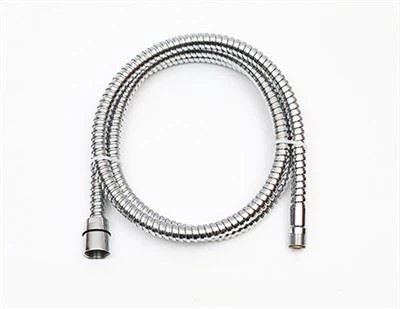
Hey there! As a supplier of large diameter shower hoses, I often get asked about the minimum bend radius of these hoses. It's a super important topic because getting the bend radius right can make a huge difference in the performance and lifespan of the hose.
What is Bend Radius Anyway?
First off, let's break down what bend radius means. The bend radius of a hose is basically the smallest radius at which you can bend the hose without causing any significant damage or reducing its functionality. It's like when you're trying to curve a piece of wire; bend it too sharply, and it might break or kink up.
For large diameter shower hoses, the minimum bend radius matters a whole lot. If you bend the hose too tightly, it can restrict the water flow, leading to a weaker shower stream. Plus, constant tight bending can cause wear and tear on the hose material over time, making it more likely to leak or burst.
Factors Affecting the Minimum Bend Radius
A bunch of things can influence what the minimum bend radius should be for a large diameter shower hose.


Hose Material
The material the hose is made from plays a big part. For example, hoses made from flexible materials like PVC or rubber can usually handle a smaller bend radius compared to those made from stiffer materials. PVC hoses are known for their flexibility, so you can bend them a bit more sharply without causing too many problems. On the other hand, metal hoses, while durable, are generally less flexible. If you try to bend a metal shower hose too tightly, it's more likely to get dented or have its internal structure damaged.
Hose Wall Thickness
The thickness of the hose wall also matters. Thicker walls usually make the hose stiffer, which means you'll need a larger bend radius. A hose with a thin wall might be more flexible and able to handle a smaller bend radius. But keep in mind that thinner walls might also make the hose more prone to damage from external factors like rubbing against sharp edges.
Reinforcement
Some large diameter shower hoses come with reinforcement, like a mesh or coil. This reinforcement can increase the strength and durability of the hose, but it can also affect the bend radius. A hose with a strong reinforcement might need a larger bend radius because the reinforcement restricts how much the hose can bend.
Typical Minimum Bend Radii for Large Diameter Shower Hoses
Now, let's talk about some typical numbers. For large diameter PVC shower hoses, the minimum bend radius is usually around 2 - 3 times the outer diameter of the hose. So, if you have a hose with an outer diameter of 2 inches, the minimum bend radius would be around 4 - 6 inches.
Rubber hoses are also quite flexible, and their minimum bend radius is often similar to that of PVC hoses. However, the exact value can vary depending on the specific type and quality of the rubber.
Metal hoses, as I mentioned earlier, are less flexible. The minimum bend radius for metal hoses is typically larger, often around 4 - 5 times the outer diameter of the hose. So, for a 2 - inch outer - diameter metal hose, the minimum bend radius could be 8 - 10 inches.
Importance of Following the Minimum Bend Radius
Ignoring the minimum bend radius can lead to a whole bunch of headaches. As I said before, a tight bend can restrict water flow. You don't want to step into the shower expecting a nice, strong stream of water only to get a weak trickle. It can be really frustrating!
Moreover, bending the hose beyond its minimum bend radius can cause internal stress in the hose material. Over time, this stress can lead to cracks, leaks, and even complete hose failure. And nobody wants a soggy bathroom floor because their shower hose sprung a leak!
How to Ensure Proper Bending
When installing a large diameter shower hose, it's important to plan the routing carefully. Make sure there are no sharp corners or tight spaces where the hose has to bend too much. If you need to change the direction of the hose, use gentle curves instead of sharp bends.
If you're not sure about the minimum bend radius for a particular hose, check the manufacturer's guidelines. They usually provide this information, and it's always better to be safe than sorry.
Our Product Range
We offer a wide variety of large diameter shower hoses that are designed to meet different needs. If you're looking for a shower extension hose, you can check out our Shower Extension Hose page. These hoses are great for adding some extra length to your shower setup.
For those who want to add a bit of style to their bathroom, our Coloured Shower Hoses are a perfect choice. They come in a range of vibrant colors to match your bathroom decor.
And if you're after a touch of luxury, our Golden Shower Hose is sure to impress. It looks great and performs just as well.
Contact Us for Purchasing
If you're in the market for large diameter shower hoses, we'd love to talk to you. Whether you're a homebuilder, a bathroom contractor, or just looking to upgrade your own shower, we can provide you with high - quality hoses at competitive prices. Get in touch with us to discuss your requirements and get a quote. We're here to make sure you get the perfect shower hose for your needs.
References
- Hose Manufacturing Handbook: A comprehensive guide on hose design and specifications.
- Plumbing and Sanitary Engineering Textbooks: These textbooks often have details on the performance and installation requirements of various plumbing components, including shower hoses.