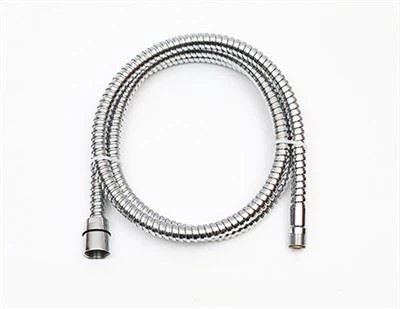
As a gas hose supplier, I've witnessed firsthand the critical role these components play in various industries. Gas hoses are used in a wide range of applications, from residential heating systems to industrial manufacturing processes. One of the most significant factors that can affect the performance and lifespan of a gas hose is the exposure to chemicals. In this blog post, I'll explore the impact of chemicals on gas hoses, including how different types of chemicals can affect the hose materials, the signs of chemical damage, and how to prevent it.
Types of Chemicals and Their Effects on Gas Hoses
There are numerous chemicals that gas hoses may come into contact with, each with its own set of potential effects on the hose material. Here are some common types of chemicals and their impacts:
Acids
Acids can be highly corrosive to gas hoses. Strong acids, such as sulfuric acid or hydrochloric acid, can break down the molecular structure of the hose material. For rubber hoses, acids can cause the rubber to become brittle and crack over time. This is because acids react with the polymers in the rubber, altering their chemical composition. Once the rubber loses its elasticity, it becomes more prone to leaks, which can be extremely dangerous when dealing with gas.
Bases
Bases, like sodium hydroxide, can also have a detrimental effect on gas hoses. Similar to acids, bases can react with the hose material, causing it to swell or soften. In the case of PVC gas hoses PVC Gas Hose, exposure to strong bases can lead to a loss of mechanical strength. The hose may become more flexible than intended, which can compromise its ability to withstand the pressure of the gas flowing through it.
Solvents
Solvents, such as gasoline, acetone, and toluene, are known to dissolve or swell many types of hose materials. Rubber hoses are particularly vulnerable to solvent attack. When a rubber hose comes into contact with a solvent, the solvent can penetrate the rubber matrix, causing it to expand. This expansion can lead to a loosening of the hose fittings, increasing the risk of gas leakage. Additionally, repeated exposure to solvents can cause the rubber to degrade, reducing its overall lifespan.
Oxidizing Agents
Oxidizing agents, such as chlorine and hydrogen peroxide, can cause oxidation of the hose material. Oxidation is a chemical reaction that can break down the polymers in the hose, making it weaker and more brittle. For example, in natural gas flex hoses Natural Gas Flex Hose, oxidation can lead to the formation of cracks on the surface of the hose. These cracks can gradually grow, eventually leading to a complete failure of the hose.
Signs of Chemical Damage to Gas Hoses
It's essential to be able to recognize the signs of chemical damage to gas hoses to prevent potential safety hazards. Here are some common signs to look out for:
Discoloration
One of the first signs of chemical damage is a change in the color of the hose. For example, if a rubber hose has been exposed to an oxidizing agent, it may turn a yellowish or brownish color. Discoloration can indicate that the chemical has reacted with the hose material, altering its chemical properties.
Swelling or Shrinking
As mentioned earlier, exposure to certain chemicals can cause the hose to swell or shrink. If you notice that the diameter of the hose has increased or decreased significantly, it could be a sign of chemical damage. Swelling can lead to a loss of pressure control, while shrinking can cause the hose to become too tight, potentially damaging the fittings.


Cracking or Splitting
Cracks or splits in the hose are a clear indication of severe chemical damage. These can occur on the surface of the hose or along the seams. Cracks can allow gas to leak out, posing a serious safety risk. If you see any cracks or splits in a gas hose, it should be replaced immediately.
Loss of Flexibility
A gas hose that has lost its flexibility may be suffering from chemical damage. For instance, if a hose that was once flexible has become stiff and rigid, it could be due to the breakdown of the polymers in the material. Loss of flexibility can make the hose more difficult to install and can also increase the risk of damage during normal use.
Preventing Chemical Damage to Gas Hoses
Preventing chemical damage to gas hoses is crucial for ensuring their safe and reliable operation. Here are some strategies that can help:
Select the Right Hose Material
Choosing the appropriate hose material for the specific chemical environment is essential. Different materials have different chemical resistance properties. For example, if the gas hose will be exposed to solvents, a hose made from a solvent-resistant material, such as fluoropolymer, may be a better choice. As a gas hose supplier, I always recommend consulting with a technical expert to determine the most suitable hose material for your application.
Use Protective Covers
Protective covers can provide an additional layer of protection for gas hoses. These covers can shield the hose from direct contact with chemicals, reducing the risk of damage. There are various types of protective covers available, including rubber covers, fabric covers, and metal mesh covers. The choice of cover will depend on the specific chemical environment and the level of protection required.
Implement Proper Storage and Handling Procedures
Proper storage and handling of gas hoses can also help prevent chemical damage. Hoses should be stored in a cool, dry place away from direct sunlight and sources of heat. They should also be kept away from chemicals and other substances that could potentially damage them. When handling gas hoses, it's important to avoid dragging them across rough surfaces or exposing them to sharp objects, as this can cause physical damage that may make the hose more susceptible to chemical attack.
Regular Inspection and Maintenance
Regular inspection and maintenance of gas hoses are essential for detecting and preventing chemical damage. Hoses should be inspected visually on a regular basis for signs of discoloration, swelling, cracking, or other damage. Any damaged hoses should be replaced immediately. Additionally, it's important to follow the manufacturer's recommended maintenance schedule, which may include tasks such as cleaning, lubricating, and tightening the fittings.
Importance of Addressing Chemical Damage in Gas Hoses
Addressing chemical damage in gas hoses is not only important for safety reasons but also for economic reasons. A gas leak caused by a damaged hose can lead to significant property damage, as well as pose a serious risk to human health. In addition, replacing a damaged hose is much more cost-effective than dealing with the consequences of a gas leak, such as fire or explosion.
As a gas hose supplier, I understand the importance of providing high-quality hoses that can withstand the chemical environments in which they are used. Whether you need a PVC gas hose PVC Gas Hose, a gas connect hose Gas Connect Hose, or a natural gas flex hose Natural Gas Flex Hose, I can help you select the right product for your needs.
Contact for Procurement and Consultation
If you're in the market for gas hoses or have any questions about the impact of chemicals on gas hoses, I'd be happy to assist you. Our team of experts can provide you with detailed information about our products and help you choose the most suitable gas hose for your application. Don't hesitate to reach out for procurement and further discussions.
References
- ASTM International. (Year). Standard Specification for [Specific Gas Hose Type]. ASTM [Standard Number].
- Manufacturer's Technical Manuals for Gas Hoses.
- Chemical Resistance Guides for Elastomers and Polymers.