Shower extension hoses are essential components in modern bathrooms, providing flexibility and convenience for users. As a shower extension hose supplier, I've witnessed firsthand the diverse range of materials used in their construction. In this blog post, I'll delve into the various materials that shower extension hoses are made of, exploring their characteristics, advantages, and disadvantages.

Rubber
Rubber is one of the most common materials used in shower extension hoses. It's known for its flexibility, durability, and resistance to kinking. Natural rubber, derived from latex, is soft and pliable, making it comfortable to handle. However, it can be prone to degradation over time, especially when exposed to sunlight and certain chemicals. Synthetic rubbers, such as EPDM (ethylene propylene diene monomer) and neoprene, offer better resistance to environmental factors and chemicals.
EPDM rubber is a popular choice for shower hoses due to its excellent weather resistance, ozone resistance, and low-temperature flexibility. It's also resistant to many common household chemicals, making it suitable for use in bathrooms. Neoprene, on the other hand, is known for its oil and chemical resistance, as well as its ability to withstand high temperatures. It's often used in industrial applications but can also be found in high-quality shower hoses.
One of the main advantages of rubber shower hoses is their affordability. They are generally less expensive than hoses made from other materials, making them a popular choice for budget-conscious consumers. Rubber hoses are also easy to install and can be found in a variety of lengths and diameters to suit different needs.
However, rubber hoses do have some drawbacks. They can be prone to cracking and splitting over time, especially if they are exposed to extreme temperatures or harsh chemicals. Rubber hoses may also develop a strong odor, particularly if they are made from low-quality materials. Additionally, rubber hoses can be more difficult to clean than hoses made from other materials, as dirt and grime can become trapped in the pores of the rubber.
Stainless Steel
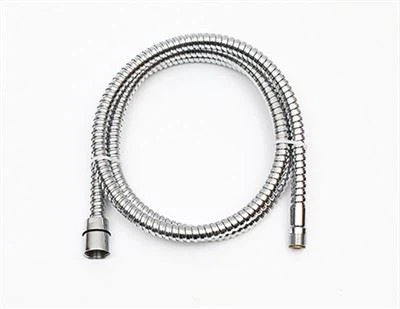
Stainless steel is another popular material for shower extension hoses. It's known for its strength, durability, and resistance to corrosion. Stainless steel hoses are typically made from a combination of stainless steel braiding and an inner tube made of rubber or PTFE (polytetrafluoroethylene).
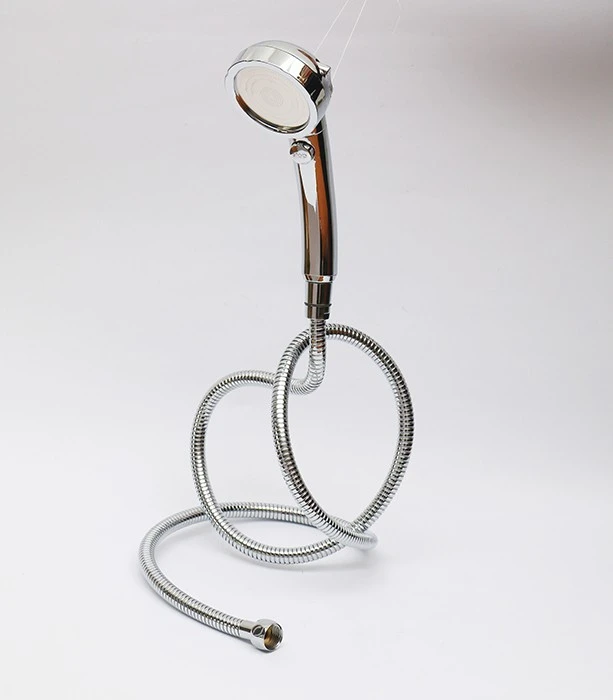
The stainless steel braiding provides a protective layer around the inner tube, preventing it from kinking and protecting it from damage. The braiding also gives the hose a sleek and modern appearance, making it a popular choice for contemporary bathrooms. Stainless steel hoses are available in a variety of finishes, including chrome, nickel, and brushed stainless steel, allowing them to match the decor of any bathroom.
One of the main advantages of stainless steel shower hoses is their longevity. They are resistant to rust, corrosion, and wear, making them a durable choice for long-term use. Stainless steel hoses are also easy to clean and maintain, as they can be wiped down with a damp cloth to remove dirt and grime. Additionally, stainless steel hoses are generally more flexible than hoses made from other materials, allowing for greater freedom of movement in the shower.
However, stainless steel hoses do have some drawbacks. They are generally more expensive than rubber hoses, which may make them less appealing to budget-conscious consumers. Stainless steel hoses can also be heavier than hoses made from other materials, which may make them more difficult to handle. Additionally, some people may find the metallic sound of stainless steel hoses to be annoying when the water is running.
PTFE (Polytetrafluoroethylene)
PTFE, also known as Teflon, is a synthetic fluoropolymer that is known for its non-stick properties, chemical resistance, and high-temperature tolerance. PTFE shower hoses are typically made from a PTFE inner tube that is covered by a layer of stainless steel braiding or another protective material.
The PTFE inner tube provides a smooth and non-stick surface, which helps to prevent the buildup of dirt, grime, and limescale. This makes PTFE hoses easy to clean and maintain, as they can be simply rinsed with water to remove any debris. PTFE hoses are also resistant to a wide range of chemicals, including acids, alkalis, and solvents, making them suitable for use in harsh environments.
One of the main advantages of PTFE shower hoses is their excellent chemical resistance. They are able to withstand exposure to a variety of chemicals without deteriorating, which makes them a good choice for use in commercial and industrial settings. PTFE hoses are also very flexible, which allows for easy installation and maneuverability in the shower. Additionally, PTFE hoses are generally more resistant to kinking than hoses made from other materials, which helps to ensure a consistent flow of water.
However, PTFE hoses do have some drawbacks. They are generally more expensive than rubber or stainless steel hoses, which may make them less appealing to budget-conscious consumers. PTFE hoses can also be more difficult to install than hoses made from other materials, as they require special tools and techniques to ensure a proper seal. Additionally, some people may find the non-stick surface of PTFE hoses to be slippery, which may make them more difficult to grip.
PVC (Polyvinyl Chloride)
PVC is a synthetic plastic polymer that is commonly used in a variety of applications, including shower extension hoses. PVC hoses are typically made from a PVC inner tube that is covered by a layer of fabric or another protective material.
PVC hoses are known for their affordability, flexibility, and ease of installation. They are available in a variety of colors and sizes, allowing them to match the decor of any bathroom. PVC hoses are also resistant to kinking, which helps to ensure a consistent flow of water.

One of the main advantages of PVC shower hoses is their low cost. They are generally less expensive than hoses made from other materials, which makes them a popular choice for budget-conscious consumers. PVC hoses are also easy to install and can be found in a variety of lengths and diameters to suit different needs.
However, PVC hoses do have some drawbacks. They are not as durable as hoses made from other materials, such as stainless steel or PTFE, and may need to be replaced more frequently. PVC hoses can also be prone to cracking and splitting over time, especially if they are exposed to extreme temperatures or harsh chemicals. Additionally, some PVC hoses may contain harmful chemicals, such as phthalates, which can leach into the water and pose a health risk.
Conclusion
In conclusion, there are several materials that shower extension hoses can be made of, each with its own unique characteristics, advantages, and disadvantages. Rubber hoses are affordable and flexible, but may not be as durable as hoses made from other materials. Stainless steel hoses are strong, durable, and resistant to corrosion, but can be more expensive and heavier than other hoses. PTFE hoses are highly resistant to chemicals and kinking, but can be more expensive and difficult to install. PVC hoses are affordable and easy to install, but may not be as durable as other hoses and may contain harmful chemicals.
As a shower extension hose supplier, we offer a wide range of hoses made from different materials to suit the needs and preferences of our customers. Whether you're looking for an affordable rubber hose, a durable stainless steel hose, a chemical-resistant PTFE hose, or a budget-friendly PVC hose, we have the perfect solution for you.
If you're interested in our Coloured Shower Hoses, Anti-twist Extensible Shower Hose, or Chrome Plated Shower Hose, please don't hesitate to contact us for more information. We're always happy to help you find the right shower extension hose for your needs.
References
- "Materials Used in Shower Hoses." Plumbing Supply Online. Accessed [Date].
- "Shower Hose Materials: A Comprehensive Guide." Bathroom Advisor. Accessed [Date].
- "The Best Materials for Shower Hoses." Home Decor Bliss. Accessed [Date].