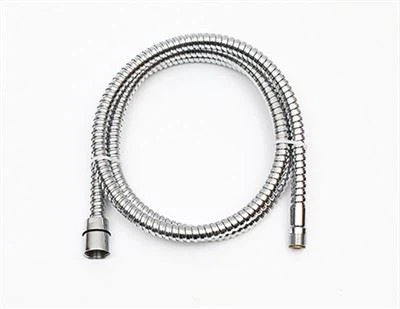
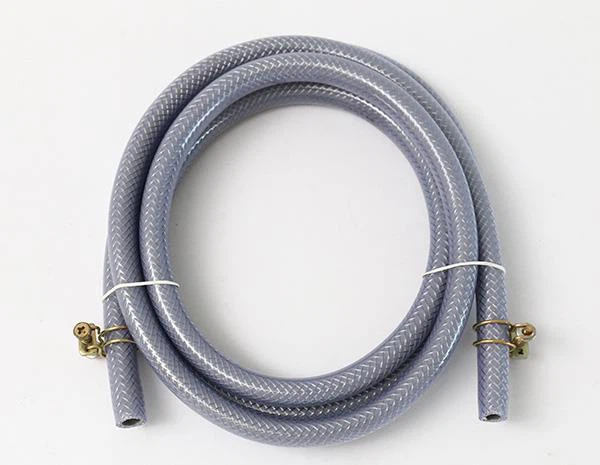
As a PVC Gas Hose supplier, I understand the importance of ensuring that these hoses function properly. PVC gas hoses are widely used in various applications, from residential cooking to industrial processes. However, like any other product, they can encounter problems over time. In this blog post, I will guide you through the process of troubleshooting common PVC gas hose problems.
1. Identifying the Problem
The first step in troubleshooting a PVC gas hose problem is to identify the issue. Here are some common problems you might encounter:
Leakage
Leakage is one of the most common problems with PVC gas hoses. You can detect a gas leak by using a gas leak detector or by applying a soapy water solution to the hose and its connections. If you see bubbles forming, it indicates a leak. Leaks can occur due to damaged hoses, loose connections, or worn-out seals.

Blockage
A blockage in the PVC gas hose can restrict the flow of gas, causing appliances to malfunction. Blockages can be caused by debris, dirt, or even insects that have made their way into the hose. Signs of a blockage include reduced gas pressure, uneven flame, or appliances not starting properly.
Wear and Tear
Over time, PVC gas hoses can wear out due to exposure to heat, sunlight, and chemicals. This can lead to cracks, holes, or weakening of the hose material. Inspect the hose regularly for signs of wear and tear, such as discoloration, brittleness, or visible damage.
Incorrect Installation
If the PVC gas hose is not installed correctly, it can cause problems. This includes improper sizing, incorrect routing, or loose connections. Make sure to follow the manufacturer's instructions when installing the hose and ensure that all connections are tight and secure.
2. Troubleshooting Steps
For Leakage
- Check Connections: Start by checking all the connections of the PVC gas hose. Make sure they are tight and secure. If a connection is loose, use a wrench to tighten it gently. However, be careful not to overtighten, as this can damage the hose or the fitting.
- Inspect the Hose: Look for any visible signs of damage on the hose, such as cracks or holes. If you find a damaged section, you may need to replace the hose. You can find high-quality PVC Gas Hose on our website.
- Test the Seals: The seals at the connections can also be a source of leakage. Check the seals for any signs of wear or damage. If necessary, replace the seals with new ones.
For Blockage
- Disconnect the Hose: Carefully disconnect the PVC gas hose from the appliance and the gas source. Make sure to turn off the gas supply before doing this.
- Flush the Hose: Use compressed air or a pipe cleaner to flush out any debris or dirt that may be causing the blockage. Start from one end of the hose and blow air through it or use the pipe cleaner to gently remove the blockage.
- Inspect the Hose Interior: After flushing, inspect the inside of the hose to ensure that the blockage has been removed. If the blockage persists, you may need to replace the hose.
For Wear and Tear
- Assess the Damage: Determine the extent of the wear and tear on the PVC gas hose. If the damage is minor, such as a small crack, you may be able to repair it using a suitable PVC repair kit. However, if the damage is extensive, it is recommended to replace the hose.
- Replace the Hose: When replacing the hose, make sure to choose a high-quality PVC Gas Hose that is suitable for your application. Follow the manufacturer's instructions for installation to ensure proper functioning.
For Incorrect Installation
- Review the Installation: Go through the installation process again to ensure that all steps have been followed correctly. Check the sizing of the hose, the routing, and the tightness of the connections.
- Make Necessary Adjustments: If you find any issues with the installation, make the necessary adjustments. This may include re-routing the hose, replacing a fitting, or tightening a connection.
3. Preventive Measures
To avoid PVC gas hose problems in the future, it is important to take preventive measures. Here are some tips:
- Regular Inspections: Inspect the PVC gas hose regularly for signs of damage, wear, or blockage. This can help you detect problems early and take appropriate action.
- Proper Storage: When not in use, store the PVC gas hose in a cool, dry place away from direct sunlight and heat sources. This can help prevent premature aging and damage to the hose.
- Use Compatible Fittings: Make sure to use fittings that are compatible with the PVC gas hose. Using incorrect fittings can lead to leaks or other problems.
- Follow Manufacturer's Instructions: Always follow the manufacturer's instructions for installation, use, and maintenance of the PVC gas hose. This can help ensure its proper functioning and longevity.
4. Conclusion
Troubleshooting a PVC gas hose problem requires a systematic approach. By identifying the problem, following the appropriate troubleshooting steps, and taking preventive measures, you can ensure that your PVC gas hose functions properly and safely. If you need high-quality PVC Gas Hose, Gas Connect Hose, or Natural Gas Flex Hose, feel free to contact us for procurement and further discussion. We are committed to providing you with the best products and services.

References
- American Gas Association. (2023). Gas Appliance Installation and Maintenance Guidelines.
- Hose Manufacturers Institute. (2023). PVC Hose Standards and Best Practices.