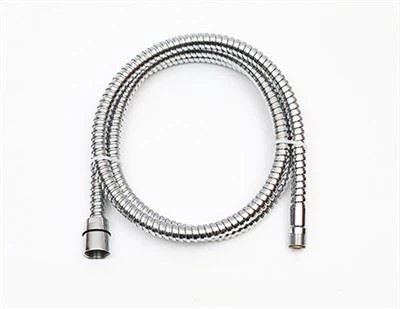
A washing machine drain hose is a crucial component in your laundry setup, responsible for carrying wastewater from your washing machine to the drain. As a Washing Machine Drain Hose supplier, I understand the importance of proper maintenance to ensure the longevity and efficiency of these hoses. In this blog, I'll share some valuable tips on how to maintain a washing machine drain hose effectively.
Understanding the Washing Machine Drain Hose
Before delving into maintenance, it's essential to understand the role and structure of a Washing Machine Drain Hose. This hose is typically made of flexible plastic or rubber, designed to withstand the constant flow of water and occasional debris. It connects the washing machine to the drainpipe, allowing dirty water to exit the machine during the wash and spin cycles.
Regular Inspection
Regular inspection is the first step in maintaining a washing machine drain hose. Check the hose for any signs of wear and tear, such as cracks, holes, or leaks. These issues can lead to water damage and affect the performance of your washing machine. Inspect the hose at least once a month, especially if you notice any unusual noises or water pooling around the machine.
Cleaning the Drain Hose
Over time, dirt, lint, and other debris can accumulate inside the drain hose, causing blockages and reducing water flow. To prevent this, clean the drain hose regularly. You can use a mixture of warm water and mild detergent to flush out any debris. Disconnect the hose from the washing machine and the drainpipe, then pour the cleaning solution into the hose and let it sit for a few minutes. Use a long brush or a plumbing snake to remove any stubborn blockages. Rinse the hose thoroughly with clean water before reconnecting it.
Avoiding Kinks and Bends
Kinks and bends in the drain hose can restrict water flow and cause blockages. Make sure the hose is installed correctly and has enough slack to prevent kinking. Avoid bending the hose at sharp angles or placing heavy objects on it. If you need to move the washing machine, be careful not to damage the drain hose.
Protecting the Hose from Extreme Temperatures
Extreme temperatures can cause the drain hose to become brittle and crack. Avoid placing the washing machine in direct sunlight or near a heat source. In cold weather, insulate the hose to prevent it from freezing. You can use foam insulation or a heat tape to keep the hose warm.


Checking the Drainpipe
The drainpipe connected to the washing machine drain hose can also become clogged with debris. Check the drainpipe regularly for any signs of blockage. You can use a drain cleaner or a plumbing snake to remove any blockages. If the blockage is severe, you may need to call a professional plumber.
Using a Drain Trap
A drain trap is a U-shaped pipe installed between the washing machine drain hose and the drainpipe. It helps to prevent sewer gases from entering the laundry room and traps debris before it reaches the drainpipe. Make sure the drain trap is installed correctly and is free of blockages. Clean the drain trap regularly to maintain proper water flow.
Replacing the Drain Hose
Even with proper maintenance, the drain hose will eventually wear out and need to be replaced. If you notice any signs of damage or if the hose is more than five years old, it's time to replace it. When choosing a new drain hose, make sure it is the correct size and type for your washing machine. You can find a wide selection of Washing Machine Drain Hose on our website.
Importance of Maintenance for Washing Machine Inlet Hose
While we're on the topic of washing machine hoses, it's also important to mention the Washing Machine Inlet Hose. This hose supplies water to the washing machine, and proper maintenance is crucial to prevent leaks and water damage. Similar to the drain hose, inspect the inlet hose regularly for any signs of wear and tear, and replace it if necessary.
Conclusion
Maintaining a washing machine drain hose is essential for the proper functioning of your washing machine and to prevent water damage. By following these tips, you can extend the lifespan of the drain hose and ensure efficient water flow. Remember to inspect the hose regularly, clean it, avoid kinks and bends, protect it from extreme temperatures, check the drainpipe, use a drain trap, and replace the hose when needed. If you have any questions or need further assistance, feel free to contact us. We're here to help you keep your washing machine running smoothly.
As a leading Washing Machine Drain Hose supplier, we offer a wide range of high-quality hoses to meet your needs. Our hoses are made from durable materials and are designed to withstand the rigors of daily use. If you're interested in purchasing our products or have any questions about our services, please don't hesitate to contact us. We look forward to working with you and helping you find the perfect solution for your laundry needs.
References
- "Washing Machine Maintenance Guide." Home Depot.
- "How to Clean a Washing Machine Drain Hose." Family Handyman.
- "Preventing Washing Machine Drain Hose Clogs." This Old House.