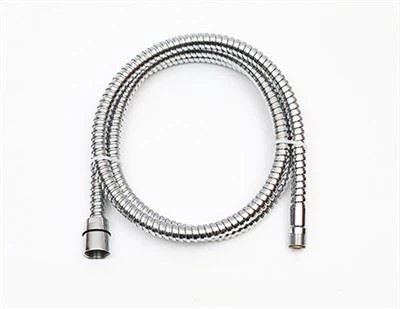
Are SS Braided Hoses UV - resistant?
As a supplier of SS (Stainless Steel) braided hoses, I often get asked about the UV - resistance of our products. This is a crucial question, especially for customers who plan to use these hoses in outdoor settings where they will be exposed to sunlight. In this blog post, I'll delve into the science behind UV resistance in SS braided hoses, share some real - world insights, and provide practical advice for customers.
Understanding UV Radiation and Its Effects
Ultraviolet (UV) radiation is a part of the electromagnetic spectrum emitted by the sun. It is divided into three types: UVA, UVB, and UVC. UVC is mostly absorbed by the Earth's atmosphere, but UVA and UVB can reach the surface. UVA has a longer wavelength and can penetrate deeper into materials, while UVB has a shorter wavelength and is more likely to cause surface damage.

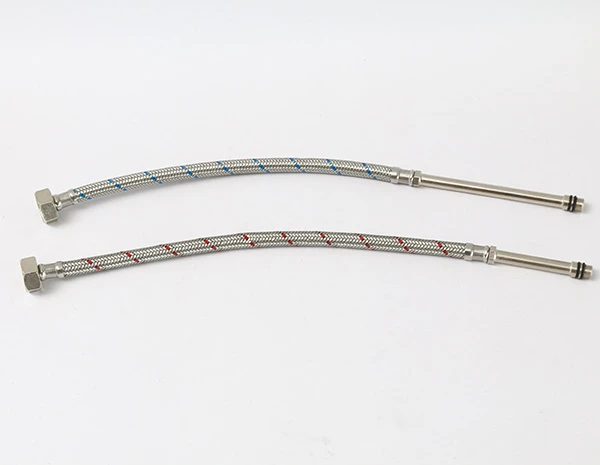
When materials are exposed to UV radiation over time, they can undergo various forms of degradation. This can include discoloration, loss of flexibility, and in some cases, a reduction in strength. For hoses, these changes can lead to leaks, cracks, and a shorter lifespan.
The Composition of SS Braided Hoses
SS braided hoses are typically made up of an inner tube and an outer braided layer. The inner tube is often made of materials like PVC (Polyvinyl Chloride), EPDM (Ethylene Propylene Diene Monomer), or PTFE (Polytetrafluoroethylene), while the outer braid is made of stainless steel.
The stainless steel braid provides several benefits. It offers excellent strength and durability, protecting the inner tube from physical damage such as abrasion and punctures. But what about its UV - resistance? Stainless steel is inherently resistant to many environmental factors, including UV radiation. The chromium in stainless steel forms a passive oxide layer on the surface, which acts as a barrier against corrosion and UV - induced degradation.
However, the inner tube material is a different story. PVC, for example, is not very UV - resistant on its own. When exposed to UV radiation, PVC can become brittle and crack over time. EPDM has better UV - resistance compared to PVC, but it still requires some form of protection or stabilization to withstand long - term UV exposure. PTFE is known for its high chemical and UV resistance, making it a great choice for applications where UV exposure is a concern.
Testing the UV - Resistance of SS Braided Hoses
To determine the UV - resistance of our SS braided hoses, we conduct a series of tests. One common test is the accelerated weathering test. In this test, samples of the hoses are placed in a chamber where they are exposed to high - intensity UV light, along with controlled temperature and humidity conditions. This simulates years of outdoor exposure in a relatively short period.
We also perform real - world field tests. We install hoses in different outdoor locations with varying levels of sunlight exposure and monitor them over time. By observing changes in appearance, flexibility, and performance, we can get a better understanding of how the hoses will perform in actual use.
Factors Affecting UV - Resistance
Several factors can affect the UV - resistance of SS braided hoses. The quality of the materials used is a major factor. Higher - grade stainless steel and UV - stabilized inner tube materials will generally offer better UV - resistance.
The thickness of the stainless steel braid also plays a role. A thicker braid provides more protection to the inner tube, reducing the amount of UV radiation that can reach it. Additionally, the design of the hose, such as the tightness of the braid and the presence of any protective coatings, can impact its UV - resistance.
Applications and UV - Resistance Requirements
The UV - resistance requirements for SS braided hoses vary depending on the application. For indoor applications, such as connecting faucets in a bathroom or kitchen, UV resistance is not a major concern. However, for outdoor applications like garden hoses, pool hoses, or hoses used in solar heating systems, UV resistance is crucial.
If you're looking for a hose for outdoor use, I recommend considering hoses with a PTFE inner tube and a thick stainless steel braid. For example, our Braided Faucet Hose can be used both indoors and outdoors, and it is designed to withstand a certain level of UV exposure. Our Rec Braided Shower Hose is also suitable for outdoor showers and has been tested for UV - resistance. And if you prefer a more stylish option, our Black Braided Hose not only looks great but also offers good UV - protection.
Tips for Extending the UV - Resistance of SS Braided Hoses
Even if you have a UV - resistant SS braided hose, there are some steps you can take to extend its lifespan. When not in use, store the hose in a shaded area. This reduces its exposure to direct sunlight and helps prevent premature degradation.
Regularly inspect the hose for any signs of damage or wear. If you notice any cracks, leaks, or discoloration, replace the hose promptly. Cleaning the hose periodically can also help remove any dirt or debris that could potentially trap UV radiation and accelerate degradation.
Conclusion
In conclusion, SS braided hoses can have varying levels of UV - resistance depending on their composition and design. While the stainless steel braid offers some protection against UV radiation, the inner tube material is a critical factor. By choosing high - quality materials, performing proper testing, and following some simple maintenance tips, you can ensure that your SS braided hoses perform well even in outdoor environments with significant UV exposure.
If you're in the market for SS braided hoses and have specific UV - resistance requirements, I encourage you to reach out to us. We have a wide range of products to meet your needs, and our team of experts can provide you with detailed information and guidance. Whether you're a homeowner looking for a reliable garden hose or a business in need of industrial - grade hoses, we're here to help. Contact us today to start a discussion about your procurement needs.
References
- ASTM International. (2023). Standard test methods for accelerated weathering of plastics using fluorescent UV lamps. ASTM D4329.
- Plastics Industry Association. (2022). Understanding the effects of UV radiation on plastics.
- American Iron and Steel Institute. (2023). Stainless steel: Properties and applications.