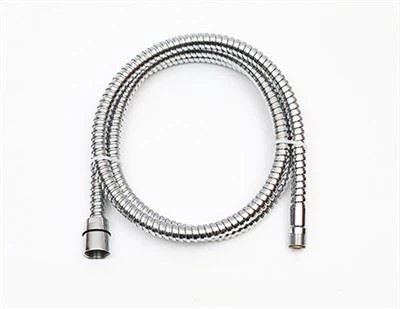
Yo, folks! I'm stoked to chat with you today about installing a new washing machine hose. As a supplier of top - notch washing machine hoses, I've seen it all when it comes to these nifty little things. So, let's dive right in and get you all set up to install that new hose like a pro.
First things first, there are two main types of washing machine hoses you need to know about: the inlet hose and the drain hose. The Washing Machine Inlet Hose is what brings the water into your washing machine, and the Washing Machine Drain Hose is responsible for getting rid of the dirty water.
Getting Ready for Installation
Before you start the installation process, you gotta gather your tools. You'll need a pair of adjustable pliers, a small bucket, and of course, your new washing machine hose. It's also a good idea to have a rag or two handy to clean up any spills.
Once you've got your tools, it's time to turn off the water supply. You'll find a couple of shut - off valves usually located behind your washing machine. One is for the hot water, and the other is for the cold water. Turn these clockwise until they're completely shut off. This will prevent any water from gushing out when you remove the old hoses.
You should also unplug your washing machine from the electrical outlet. Safety first, right? You don't want to risk any electrical shocks while you're working on the hoses.


Removing the Old Inlet Hoses
Now that you're prepped, it's time to remove the old inlet hoses. Each hose is usually connected to the back of the washing machine and to the water supply valves. Use your adjustable pliers to loosen the nuts on both ends of the hose. Start with the nut on the washing machine side. Be careful not to over - tighten or damage the connections.
As you loosen the nuts, you might notice a little bit of water dribbling out. That's why we have the bucket handy. Place the bucket under the hose to catch any water. Once the nuts are loose enough, you can usually twist the hose off by hand.
After removing the old hoses, give the connections a good clean with a rag. You want to make sure there's no dirt or debris that could prevent a good seal with the new hoses.
Installing the New Inlet Hoses
Now for the fun part - installing the new Washing Machine Inlet Hose. First, check to make sure you've got the right hoses. One is usually for hot water and has a red tag or marking, and the other is for cold water with a blue tag.
Take the new hose and attach one end to the back of the washing machine. Hand - tighten the nut as much as you can, and then use the pliers to give it a final quarter - turn. Make sure not to overtighten, or you could damage the connection.
Next, attach the other end of the hose to the appropriate water supply valve. Again, hand - tighten and then use the pliers for a gentle final turn.
Checking for Leaks
Once the inlet hoses are installed, it's time to turn the water supply back on. Slowly turn the shut - off valves counter - clockwise. Keep an eye on the connections for any leaks. If you see a little bit of water dripping at first, that's normal. Sometimes it takes a minute for the seals to settle.
But if you notice a steady stream of water or a big leak, turn off the water supply immediately. Check the connections to make sure the nuts are tight enough. You might need to give them an extra turn with the pliers.
Removing and Installing the Drain Hose
Now let's talk about the Washing Machine Drain Hose. The drain hose is usually connected to the back of the washing machine and drains into a standpipe or a utility sink.
To remove the old drain hose, simply pull it off the washing machine and the drain connection. You might need to wiggle it a bit to get it loose. Be careful, as there could still be some water in the hose.
Once it's removed, measure the length of the old hose and compare it to the new one. You want to make sure the new hose is long enough to reach the drain connection without being too short or too long.
Attach the new drain hose to the back of the washing machine. There's usually a clamp that holds the hose in place. Make sure it's tight so that the hose doesn't come loose during the wash cycle.
Then, connect the other end of the drain hose to the standpipe or sink. You can use a clamp here too if needed to ensure a secure connection.
Final Checks
After you've installed both the inlet and drain hoses, give the washing machine a quick inspection. Make sure all the hoses are properly connected and there are no kinks or twists. Kinks can restrict the flow of water and cause problems.
Plug the washing machine back into the electrical outlet. You can run a short test cycle on your washing machine to make sure everything is working as it should. Listen for any strange noises and keep an eye out for leaks or water backups.
Why Our Washing Machine Hoses Are the Best
Now, I know you're probably wondering why you should choose our washing machine hoses. Well, let me tell you. Our hoses are made from high - quality materials that are built to last. They're resistant to kinking, cracking, and leaking, so you won't have to worry about water damage to your floors or walls.
We also offer a wide range of hoses to fit different types of washing machines. Whether you've got an old - school top - loading machine or a fancy front - loading one, we've got you covered.
Our customer service is top - notch too. If you have any questions about the installation process or need help choosing the right hose, our team is just a call or message away. We're here to make sure you have a hassle - free experience.
Let's Do Business
So, if you're in the market for new washing machine hoses, whether it's for your home, a rental property, or a commercial laundry facility, we'd love to hear from you. We offer competitive prices and fast shipping, so you can get your hoses and get your washing machine up and running in no time.
Feel free to reach out to us to discuss your needs and get a quote. We're eager to work with you and help you keep your laundry routine running smoothly.
References
- General knowledge from years of experience as a washing machine hose supplier.
- Information based on common best practices in the appliance installation industry.