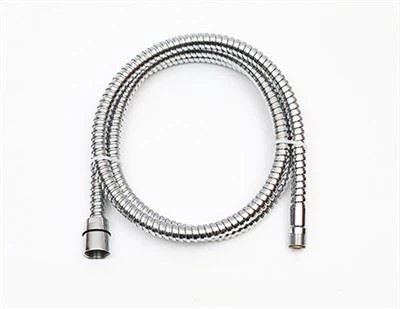
Geothermal heating systems have gained significant popularity in recent years as a sustainable and efficient alternative to traditional heating methods. These systems harness the stable temperature of the earth to provide heating and cooling for buildings, offering long - term cost savings and reduced environmental impact. One of the critical components in a geothermal heating system is the tubing that circulates the heat transfer fluid. In this blog, we will explore whether corrugated copper tubing can be used in a geothermal heating system.


The Basics of Geothermal Heating Systems
Geothermal heating systems operate on a simple principle. They use a series of underground pipes, known as the ground loop, to transfer heat between the earth and a building. The ground loop is typically filled with a mixture of water and antifreeze, which absorbs heat from the ground during the winter and releases heat into the ground during the summer. There are two main types of ground loops: closed - loop systems and open - loop systems. Closed - loop systems are the most common and can be further classified into horizontal, vertical, and pond/lake systems.
Characteristics of Corrugated Copper Tubing
Corrugated copper tubing, available at Corrugated Copper Tubing, has several unique characteristics that make it an interesting option for various applications. Copper is well - known for its excellent thermal conductivity. This means that it can efficiently transfer heat, which is a crucial factor in a geothermal heating system where the goal is to move heat between the ground and the building as effectively as possible.
The corrugated design of the tubing provides additional flexibility compared to smooth - wall copper tubing. This flexibility makes it easier to install, especially in complex or restricted spaces. For instance, in a vertical ground - loop installation, where the tubing needs to be inserted deep into the boreholes, the flexibility of corrugated copper tubing can simplify the installation process.
Moreover, copper has good corrosion resistance, which is essential in a geothermal system as the tubing is constantly in contact with water and other substances in the ground. A high level of corrosion resistance helps to ensure the longevity of the tubing, reducing the risk of leaks and system failures over time.
Advantages of Using Corrugated Copper Tubing in Geothermal Heating Systems
- Thermal Efficiency: As mentioned earlier, copper's high thermal conductivity allows for rapid heat transfer. In a geothermal system, this means that the heat transfer fluid can quickly absorb heat from the ground in winter or release heat into the ground in summer. This efficiency can contribute to the overall performance of the geothermal heating system, potentially reducing energy consumption and operating costs.
- Flexibility and Ease of Installation: The corrugated design gives the tubing the ability to bend and adapt to different installation requirements. This is particularly beneficial in horizontal ground - loop installations, where the tubing may need to be laid out in a serpentine pattern. It can also be useful in retrofit projects, where existing space constraints may make it difficult to install rigid pipes.
- Durability: Copper is a durable material, and when properly installed, corrugated copper tubing can last for many years. Its corrosion - resistant properties make it suitable for use in different soil types and water conditions, ensuring the long - term reliability of the geothermal system.
Challenges and Considerations
- Cost: Copper is generally more expensive than some other materials commonly used in geothermal systems, such as high - density polyethylene (HDPE). The cost of corrugated copper tubing can be a significant factor, especially for large - scale geothermal projects. However, it's important to consider the long - term benefits, such as energy savings and reduced maintenance costs, when evaluating the cost - effectiveness.
- Soil Compatibility: While copper is corrosion - resistant, certain soil conditions may pose a challenge. For example, soils with high acidity or a high concentration of sulfur compounds can accelerate the corrosion process. Before using corrugated copper tubing, it's essential to conduct a soil analysis to ensure that the soil is compatible with the material.
- Jointing and Sealing: Proper jointing and sealing of the corrugated copper tubing are crucial to prevent leaks. Unlike HDPE pipes, which can be easily welded, joining copper tubing requires special techniques and materials. Skilled labor is needed to ensure that the joints are secure and leak - free.
Comparison with Other Tubing Materials
- High - Density Polyethylene (HDPE): HDPE is the most commonly used material in geothermal systems. It is relatively inexpensive, lightweight, and easy to install using fusion welding techniques. However, its thermal conductivity is lower than that of copper. While HDPE can effectively transfer heat, it may require a larger surface area of tubing to achieve the same level of heat transfer as corrugated copper tubing.
- Stainless Steel Corrugated Hose: Stainless steel corrugated hoses also offer good flexibility and corrosion resistance. They are often used in applications where high - pressure resistance is required. However, stainless steel is generally more expensive than copper, and its thermal conductivity is not as high.
- Large Diameter Corrugated Hose: These hoses can be used in geothermal systems when larger volumes of the heat transfer fluid need to be circulated. They provide increased flow capacity but may also require more space for installation. The choice between large - diameter corrugated hoses and corrugated copper tubing depends on the specific requirements of the geothermal system.
Case Studies and Real - World Applications
Although corrugated copper tubing is not as widely used as HDPE in geothermal systems, there have been successful applications. In some small - scale residential projects where space is limited, the flexibility of corrugated copper tubing has allowed for more efficient installation. Additionally, in areas with highly corrosive soils, the corrosion - resistant properties of copper have provided a reliable solution.
For example, in a retrofit project in an urban area, the use of corrugated copper tubing was chosen due to its ability to fit into tight spaces around existing structures. The project was able to achieve satisfactory heating and cooling performance, and the long - term durability of the copper tubing was expected to provide a cost - effective solution over time.
Conclusion and Call to Action
In conclusion, corrugated copper tubing can be a viable option for geothermal heating systems, especially in situations where its unique characteristics can be fully utilized. Its high thermal conductivity, flexibility, and durability make it suitable for specific applications. However, factors such as cost, soil compatibility, and jointing requirements need to be carefully considered.
If you are considering a geothermal heating system and are interested in exploring the use of corrugated copper tubing, we encourage you to reach out for a detailed discussion. As a leading Corrugated Copper Tubing supplier, we have the expertise and product range to meet your specific needs. Contact us to discuss your project requirements and explore how our corrugated copper tubing can contribute to the efficiency and longevity of your geothermal heating system.
References
- Kavanaugh, S. P., & Rafferty, K. S. (1997). Ground - source heat pumps: Design of geothermal systems for commercial and institutional buildings. ASHRAE.
- Lund, J. W., & Boyd, T. L. (2016). Direct utilization of geothermal energy 2015 worldwide review. Geothermics, 60, 66 - 82.
- Spitler, J. D., & Gehlin, S. (2014). Ground heat exchanger systems: Design, performance, and environmental impact. John Wiley & Sons.