Hey there! As a gas hose supplier, I often get asked, "Are there any corrosion-resistant gas hoses?" Well, you bet there are, and I'm here to spill the beans on this topic.
Let's first understand why corrosion resistance is such a big deal when it comes to gas hoses. Gas hoses are used in a wide range of environments, from industrial settings to our own homes. They're exposed to various elements, like moisture, chemicals, and different gases. Corrosion can weaken the hose over time, leading to leaks, which are not only a waste of gas but can also pose a serious safety hazard. So, having a corrosion-resistant gas hose is like having an extra layer of protection.
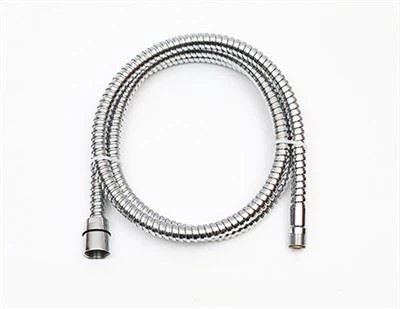
One of the most common types of gas hoses that offer good corrosion resistance is the Natural Gas Flex Hose. These hoses are designed to be flexible, which makes them easy to install in different setups. They're typically made from materials that can withstand the corrosive effects of natural gas and the surrounding environment. For example, some natural gas flex hoses are made with a special outer coating that acts as a barrier against moisture and other corrosive agents. This coating helps prevent rust and other forms of corrosion from eating away at the hose.

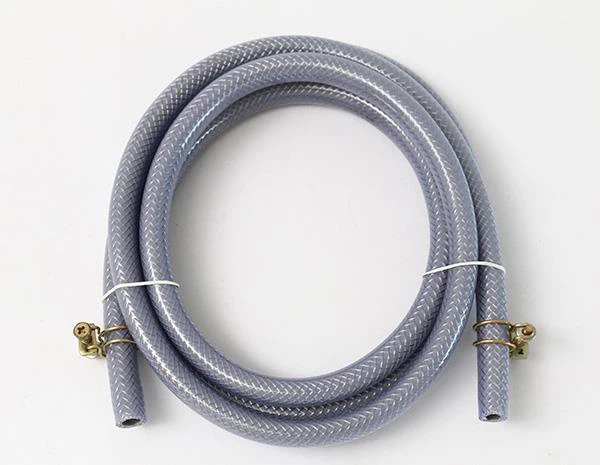
Another option is the PVC Gas Hose. PVC, or polyvinyl chloride, is a popular material for gas hoses because it's relatively inexpensive and has good chemical resistance. PVC gas hoses can resist the corrosion caused by many common gases and chemicals. They're also lightweight and easy to handle, which makes them a great choice for both residential and commercial applications. However, it's important to note that PVC hoses may not be suitable for all types of gases. Some gases can react with PVC over time, so it's crucial to make sure the hose is rated for the specific gas you'll be using.
Then there's the Gas Connect Hose. These hoses are designed to connect gas appliances to the gas supply. They often come with corrosion-resistant fittings and connectors. The materials used in gas connect hoses are carefully selected to ensure they can withstand the rigors of everyday use. For instance, the inner lining of these hoses is usually made of a material that's resistant to the gas flowing through it, while the outer layer provides protection against external factors like abrasion and corrosion.
Now, how do you know if a gas hose is truly corrosion-resistant? Well, there are a few things to look for. First, check the manufacturer's specifications. Reputable manufacturers will clearly state the hose's corrosion resistance properties and the types of gases it's suitable for. You can also look for certifications. There are industry standards and certifications that indicate a hose has been tested and meets certain quality and safety requirements. For example, hoses that meet the standards set by organizations like the National Fire Protection Association (NFPA) are generally a good choice.
It's also important to take proper care of your gas hoses to ensure their long-term corrosion resistance. Regular inspections are a must. Look for signs of wear, such as cracks, bulges, or discoloration. If you notice any of these issues, it's time to replace the hose. Additionally, make sure the hoses are installed correctly. Improper installation can lead to stress on the hose, which can increase the risk of corrosion and other problems.
In some cases, you may need to use additional protective measures. For example, if the gas hose is installed in an area with high humidity or exposure to chemicals, you can use a hose cover. Hose covers can provide an extra layer of protection against moisture and other corrosive elements. They're available in different materials and designs, so you can choose one that suits your needs.
When it comes to choosing the right corrosion-resistant gas hose for your application, it's important to consider a few factors. First, think about the type of gas you'll be using. Different gases have different properties, and some may require a more specialized hose. Second, consider the environment where the hose will be installed. If it's in an industrial setting with a lot of chemicals or in a coastal area with high salt content in the air, you'll need a hose that can withstand these harsh conditions. Finally, think about your budget. While corrosion-resistant hoses may cost a bit more upfront, they can save you money in the long run by reducing the need for frequent replacements.
So, to sum it up, yes, there are definitely corrosion-resistant gas hoses available. Whether you're looking for a natural gas flex hose, a PVC gas hose, or a gas connect hose, there are options out there that can meet your needs. As a gas hose supplier, I'm here to help you find the right hose for your specific application. If you have any questions or need more information, don't hesitate to reach out. We can discuss your requirements in detail and find the best solution for you. Whether it's for a small residential project or a large industrial installation, we've got you covered.
If you're interested in purchasing corrosion-resistant gas hoses for your project, I encourage you to get in touch. We offer a wide range of high-quality gas hoses that are designed to provide long-lasting performance and safety. Let's start a conversation about your needs, and we can work together to find the perfect gas hoses for you.
References
- National Fire Protection Association (NFPA) standards and guidelines
- Manufacturer specifications for gas hoses