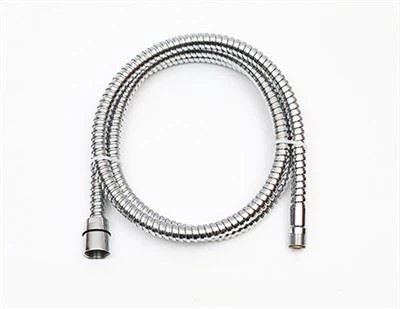
As a supplier of Natural Gas Flex Hoses, I've been asked about the types of fittings used with these hoses quite a bit. So, I thought I'd write this blog to share what I know.
First off, let's understand what natural gas flex hoses are. These hoses are super useful for connecting appliances like stoves, water heaters, and dryers to the natural gas supply. They're flexible, which makes installation a whole lot easier compared to rigid pipes. You can check out our Natural Gas Flex Hose on our website to see what we offer.
Now, onto the fittings. There are several types of fittings commonly used with natural gas flex hoses, and each has its own unique features and uses.
1. Flare Fittings
Flare fittings are pretty popular. They work by creating a tight seal through a flared end on the hose and a matching flared fitting on the appliance or gas line. The flare is made by using a special tool to shape the end of the hose into a cone-like shape. This type of fitting is great because it provides a reliable and leak - resistant connection. It's often used in residential settings for things like connecting a gas range. One thing to note is that you need to make sure the flare is done correctly. If it's not, it can lead to gas leaks, which is a big no - no.
2. Compression Fittings
Compression fittings are another common option. They consist of a compression nut, a ferrule (a small ring), and a body. When you tighten the compression nut, the ferrule gets compressed between the nut and the body, creating a seal around the hose. These fittings are easy to install and don't require any special tools like the ones needed for flare fittings. They're also adjustable, which can be handy if you need to make some minor changes during installation. However, they do need to be tightened properly. If the nut isn't tightened enough, gas can leak; if it's over - tightened, the ferrule can get damaged. You can find compression - fitted hoses in many commercial and industrial applications, as well as some residential ones.
3. Threaded Fittings
Threaded fittings are used when you need to screw the hose onto the appliance or gas line. There are different types of threads, such as NPT (National Pipe Thread). The threads on the hose and the fitting are designed to match, so when you screw them together, they form a seal. Threaded fittings are very strong and can handle high - pressure applications. But, you need to use a thread - sealing tape (like Teflon tape) to ensure a leak - free connection. This tape fills in the small gaps between the threads, preventing gas from escaping. You'll often see threaded fittings in larger gas systems, like those in factories or large commercial buildings.
4. Quick - Connect Fittings
Quick - connect fittings are a real time - saver. They allow you to connect and disconnect the hose quickly and easily. These fittings usually have a locking mechanism that secures the connection. They're great for situations where you need to frequently move or replace the hose, like with some portable gas appliances. However, they do need to be inspected regularly to make sure the locking mechanism is working properly. If it fails, the connection can come loose, and that's a safety hazard.
Comparing Different Fittings
When it comes to choosing the right fitting for your natural gas flex hose, there are a few things to consider.
Safety
Safety should always be your top priority. Flare and compression fittings are generally considered very safe when installed correctly because they create a tight seal. Threaded fittings also offer good safety, but only if the thread - sealing tape is applied properly. Quick - connect fittings can be safe too, as long as they're well - maintained.
Ease of Installation
If you're not a professional installer, ease of installation is important. Compression fittings are probably the easiest, as they don't require any special tools. Quick - connect fittings are also easy, as you just need to snap them on. Flare fittings and threaded fittings require a bit more skill and sometimes special tools.
Cost
Cost can also play a role. Compression fittings are usually the most affordable, followed by quick - connect fittings. Flare fittings and threaded fittings can be a bit more expensive, especially if you need to buy the tools for installation.
We also offer other types of gas hoses, like PVC Gas Hose and Gas Connect Hose. Each of these hoses may use different types of fittings depending on their application.
If you're in the market for natural gas flex hoses or any other gas hoses, and you have questions about the fittings or which hose is right for you, don't hesitate to reach out. We're here to help you make the best choice for your needs. Whether it's for a small residential project or a large commercial one, we have the expertise and the products to meet your requirements. Just contact us, and we can start a conversation about your gas hose needs and how we can assist you.


References
- "Gas Fitting Handbook" by a well - known plumbing and gas fitting author.
- Industry standards and guidelines for natural gas hoses and fittings.