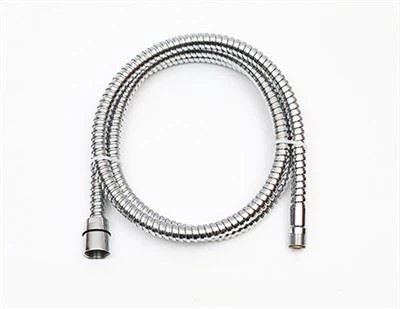
As a seasoned supplier of Corrugated Metal Hose, I'm often asked about the necessary tools for its installation. This blog aims to shed light on the essential equipment required for a successful installation process, offering insights and tips based on years of industry experience. Whether you're a professional installer or a DIY enthusiast, this guide will help you understand the tools you need to get the job done right.
Measuring Tools
Accurate measurements are the foundation of any successful installation. Before you begin, you'll need to measure the length and diameter of the area where the corrugated metal hose will be installed. A tape measure is a basic yet indispensable tool for this task. Make sure to choose a tape measure with clear markings and a sturdy construction. For more precise measurements, especially in tight spaces, a caliper can be used to measure the inner and outer diameters of the hose and the fittings.
Cutting Tools
Once you have the correct measurements, you'll need to cut the corrugated metal hose to the appropriate length. A hacksaw is a common and cost - effective tool for cutting metal hoses. However, it requires some physical effort and may leave rough edges. For a cleaner cut, a power reciprocating saw can be used. It can cut through the hose quickly and smoothly, but it's important to use the right blade for the type of metal in the hose. If you're working with a stainless steel corrugated hose, a blade designed specifically for cutting stainless steel will ensure a better result. You can find a wide range of Stainless Steel Corrugated Hose on our website.
Deburring Tools
After cutting the corrugated metal hose, the edges may be sharp and rough. This can cause problems during installation and may even damage the fittings. A deburring tool is used to remove these sharp edges and create a smooth finish. There are different types of deburring tools available, such as hand - held deburring knives and rotary deburring tools. Hand - held deburring knives are simple and easy to use, while rotary deburring tools are more powerful and can handle larger jobs.
Fitting Tools
Properly attaching the fittings to the corrugated metal hose is crucial for a leak - free and secure connection. Depending on the type of fittings, different tools may be required.
Wrenches: Adjustable wrenches or pipe wrenches are commonly used to tighten the fittings. They come in various sizes, and you'll need to choose the right one to fit the nuts and bolts on the fittings. Make sure not to overtighten, as this can damage the fittings or the hose.
Crimping Tools: If you're using crimp - style fittings, a crimping tool is essential. The crimping tool compresses the fitting onto the hose, creating a strong and reliable connection. Different crimping tools are designed for different sizes of hoses and fittings, so make sure you select the appropriate one.
Sealing Tools
To prevent leaks, proper sealing is necessary. Gasket installers can be used to ensure that gaskets are correctly placed between the fittings and the hose. A sealant applicator is also useful for applying sealant around the edges of the fittings. This helps to create an additional barrier against leaks.
Safety Tools
Installation work can be dangerous, so safety should always be a top priority. Safety glasses are essential to protect your eyes from flying debris during cutting and fitting. Gloves made of a suitable material, such as leather or cut - resistant material, can protect your hands from sharp edges and hot surfaces. A dust mask may also be required if there is a risk of inhaling metal dust during the cutting process.
Inspection Tools
Once the installation is complete, it's important to inspect the work to ensure that everything is in order. A flashlight can be used to check the inside of the hose and the fittings for any signs of damage or blockage. A pressure gauge can be attached to the system to test for leaks and ensure that the pressure is within the acceptable range.
Tips for a Successful Installation
- Read the Manual: Always read the installation manual provided with the corrugated metal hose and the fittings. It contains important information about the specific installation requirements and procedures.
- Prepare the Work Area: Clear the work area of any obstacles and ensure that it is well - lit. This will make the installation process easier and safer.
- Test the System: After completing the installation, test the system to check for leaks and proper functionality. If any issues are found, address them immediately.
As a Corrugated Metal Hose supplier, we offer a wide range of high - quality products, including Corrugated Metal Hose and Corrugated Copper Tubing. We understand the importance of a proper installation, and we're here to support you every step of the way. If you have any questions about our products or the installation process, or if you're interested in making a purchase, please feel free to reach out to us. Our team of experts will be happy to assist you with your procurement needs.


References
- Manufacturer's installation guides for corrugated metal hoses.
- Industry best practices for metal hose installation.