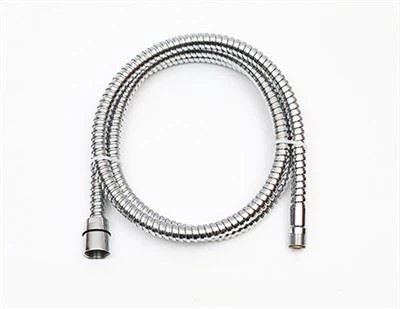
Hey there! If you're here, chances are you've just installed a reinforced shower hose, and now you're dealing with a pesky leak. Don't worry; I've been in the reinforced shower hose supply business for quite a while, and I'm here to help you sort this out.
First off, let's figure out where the leak is coming from. It could be at the connection points, along the hose itself, or even at the showerhead or faucet end.
Checking the Connection Points
The most common culprit for a leaky shower hose is a loose connection. When you installed the hose, you might not have tightened the nuts enough. Here's what you can do:
- Use a Wrench: Grab a pair of pliers or a wrench. Be careful not to overtighten, as this can damage the fittings. Just give them a gentle turn until they're snug. Sometimes, a simple tightening can stop the leak right away.
- Check for Debris: There might be some debris or dirt in the connection area. This can prevent a proper seal. Remove the hose, clean the threads on both the hose and the faucet or showerhead with a clean cloth, and then reinstall it.
Inspecting the Hose Itself
If the leak isn't at the connection points, it could be along the hose.
- Look for Cracks or Holes: Examine the entire length of the hose. Sometimes, during installation, the hose might have gotten nicked or damaged. If you find a crack or a hole, unfortunately, you'll probably need to replace the hose. But hey, we've got some great options like the Anti Twist Shower Hose that's not only durable but also designed to prevent those annoying twists.
- Check the Reinforcement: Reinforced shower hoses are supposed to be strong, but sometimes the reinforcement can fail. If you notice that the hose seems to be bulging or the reinforcement is coming loose, it's a sign that the hose is no longer in good condition. Again, replacement is the way to go.
Issues with the Showerhead or Faucet
Sometimes, the problem isn't with the hose at all but with the showerhead or faucet.
- Showerhead Blockages: Mineral deposits or debris can build up in the showerhead, causing water to spray out in the wrong direction or leak around the edges. Remove the showerhead and soak it in a solution of vinegar and water for a few hours. Then, use a small brush to clean out the nozzles.
- Faucet Damage: The faucet might have a worn-out washer or a damaged valve. If you suspect this is the case, you might need to call a plumber to take a look.
Sealing the Leak Temporarily
If you can't replace the hose right away, you can try to seal the leak temporarily.
- Use Teflon Tape: Wrap some Teflon tape around the threads at the connection points. This can help create a better seal and stop the leak. Just make sure to wrap it in the right direction (clockwise) so that it doesn't come loose when you tighten the nuts.
- Pipe Sealant: You can also use a pipe sealant. Apply it to the threads before reconnecting the hose. This can provide a more permanent fix than Teflon tape but might take a bit longer to dry.
Choosing the Right Replacement Hose
If you do need to replace the hose, there are a few things to consider.
- Length: Make sure you choose a hose that's the right length for your shower. A hose that's too short will be inconvenient, while one that's too long can get tangled.
- Material: Look for a hose made from high-quality materials. Our Golden Shower Hose is not only stylish but also very durable. And if you're looking for something a bit more colorful, we've got the Coloured Shower Hoses to add a pop of color to your bathroom.
- Reinforcement: As the name suggests, a reinforced shower hose is stronger and more resistant to damage. Make sure the replacement hose has good reinforcement to avoid future leaks.
Preventing Future Leaks
Once you've fixed the leak or replaced the hose, you'll want to prevent it from happening again.
- Proper Installation: Follow the installation instructions carefully. Make sure you're using the right tools and tightening the connections to the correct torque.
- Regular Maintenance: Check your shower hose periodically for signs of wear and tear. Clean your showerhead regularly to prevent blockages.
In conclusion, dealing with a leaky reinforced shower hose can be a hassle, but with a little troubleshooting, you can usually figure out the problem and fix it. And if you do need a new hose, we're here to help. We've got a wide range of high-quality reinforced shower hoses that are designed to last.
If you're interested in purchasing a new shower hose or have any questions about our products, feel free to reach out. We're always happy to assist you with your shower hose needs.


References
- General plumbing knowledge and experience in the reinforced shower hose supply industry.