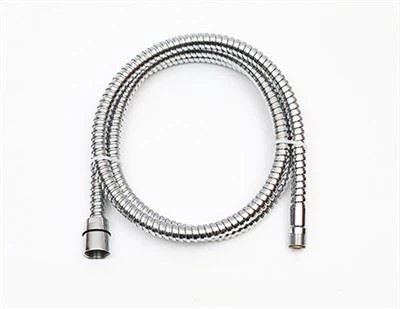
Hey there! As a pull hose supplier, I often get asked about the temperature range for pull hoses. It's a crucial question because using a pull hose outside its recommended temperature range can lead to all sorts of problems, from reduced performance to even damage. So, let's dive right into it and explore what the temperature range for a pull hose is and why it matters.
Understanding the Basics of Pull Hoses
First off, let's quickly go over what pull hoses are. Pull hoses are flexible hoses that are commonly used in various applications, such as in kitchens, bathrooms, and industrial settings. They allow you to easily move the water source around, providing convenience and flexibility. There are different types of pull hoses available on the market, including 360 Degree Pull-out Hose, Nylon Pull-out Hose, and Stainless Steel Pull-out Hose. Each type has its own unique characteristics and temperature range.
Temperature Range for Different Types of Pull Hoses
Nylon Pull-out Hoses
Nylon pull-out hoses are popular because they're lightweight, flexible, and relatively inexpensive. They're commonly used in showerheads and faucets. The temperature range for nylon pull-out hoses typically falls between -20°C to 80°C (-4°F to 176°F). This range makes them suitable for most household applications where the water temperature isn't extremely hot or cold. However, if the water temperature exceeds 80°C, the nylon material can start to degrade over time. This can lead to a loss of flexibility, and in extreme cases, the hose may develop leaks.


Stainless Steel Pull-out Hoses
Stainless steel pull-out hoses are known for their durability and resistance to corrosion. They're often used in both residential and commercial settings, especially in areas where high water pressure and temperature are involved. The temperature range for stainless steel pull-out hoses is much wider compared to nylon hoses. Generally, they can withstand temperatures from -40°C to 150°C (-40°F to 302°F). This wide range makes them ideal for industrial applications where hot water or steam may be present. The stainless steel construction ensures that the hose can maintain its integrity even under extreme temperature conditions.
360 Degree Pull-out Hoses
360 degree pull-out hoses offer maximum flexibility and maneuverability. They can be made from different materials, including a combination of nylon and stainless steel. The temperature range for these hoses depends on the materials used in their construction. If they're primarily made of nylon, the temperature range will be similar to that of nylon pull-out hoses. However, if they have a stainless steel outer layer or reinforcement, the temperature range can be closer to that of stainless steel hoses.
Why the Temperature Range Matters
The temperature range of a pull hose is important for several reasons. Firstly, using a hose outside its recommended temperature range can affect its performance. For example, if a nylon hose is exposed to water that's too hot, it may become stiff and lose its flexibility. This can make it difficult to move the hose around and may even cause it to kink or break. On the other hand, if a hose is exposed to extremely cold temperatures, it may become brittle and crack.
Secondly, the temperature range also affects the lifespan of the hose. When a hose is used within its recommended temperature range, it can last for many years. But if it's constantly exposed to temperatures outside this range, the material will degrade faster, and the hose will need to be replaced more frequently.
Factors Affecting the Temperature Range
Material Quality
The quality of the material used in the pull hose plays a significant role in determining its temperature range. Higher-quality materials are often able to withstand a wider range of temperatures. For example, a high - grade stainless steel hose will have a better temperature resistance compared to a lower - grade one.
Manufacturing Process
The manufacturing process can also affect the temperature range of a pull hose. A well - made hose with proper reinforcement and sealing will be more resistant to temperature changes. For instance, hoses that are double - braided or have a special coating may have a better ability to handle extreme temperatures.
Tips for Using Pull Hoses within the Temperature Range
- Know the Temperature of Your Water Source: Before installing a pull hose, find out the typical temperature of the water source. This will help you choose the right type of hose for your needs.
- Avoid Sudden Temperature Changes: Sudden changes in water temperature can put stress on the hose. Try to gradually adjust the water temperature to avoid shocking the hose material.
- Insulate the Hose in Cold Environments: If you live in a cold climate, consider insulating the pull hose to prevent it from freezing. This can help maintain the hose within its recommended temperature range.
Conclusion
In conclusion, understanding the temperature range for pull hoses is essential for ensuring their proper performance and longevity. Whether you're using a nylon, stainless steel, or 360 degree pull - out hose, make sure to use it within the recommended temperature range. As a pull hose supplier, I can offer a wide range of high - quality pull hoses to meet your specific needs. If you're interested in purchasing pull hoses or have any questions about temperature ranges and applications, feel free to reach out for a purchase consultation. I'm here to help you find the perfect pull hose for your project.
References
- "Materials and Their Properties in Plumbing Systems" - Plumbing Handbook
- "Temperature Resistance of Flexible Hoses" - Industrial Hoses Research Journal