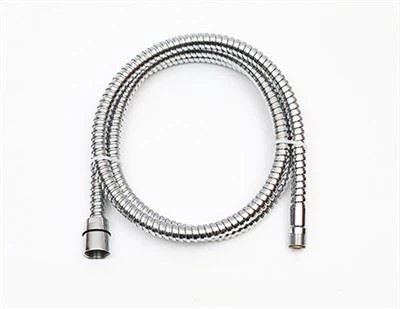
The minimum bend radius of an SS (Stainless Steel) braided hose is a critical parameter that significantly influences its performance, durability, and overall functionality. As a supplier of SS braided hoses, understanding and communicating this concept is essential for ensuring our customers make informed decisions when selecting and using our products.
Understanding Bend Radius
Bend radius refers to the smallest radius at which a hose can be bent without causing damage to its internal structure, affecting its flow capacity, or reducing its service life. In the context of SS braided hoses, the minimum bend radius is determined by several factors, including the hose's construction, diameter, wall thickness, and the type of braiding used.
The construction of an SS braided hose typically consists of an inner tube, a braided stainless - steel outer layer, and sometimes additional reinforcement layers. The inner tube is usually made of materials such as PTFE (Polytetrafluoroethylene), rubber, or thermoplastics, which provide a smooth surface for fluid flow and chemical resistance. The braided stainless - steel outer layer offers mechanical strength, protection against abrasion, and resistance to pressure.
Factors Affecting the Minimum Bend Radius
- Hose Diameter: Generally, larger - diameter hoses have larger minimum bend radii. This is because the curvature stress is more evenly distributed in a larger - diameter hose, but excessive bending can still cause kinking or damage to the inner tube and braiding. For example, a 1 - inch diameter SS braided hose will have a larger minimum bend radius compared to a 1/4 - inch diameter hose.
- Wall Thickness: Hoses with thicker walls are more rigid and may require a larger minimum bend radius. A thicker inner tube or additional reinforcement layers can increase the hose's resistance to bending, but it also provides better protection against high - pressure applications.
- Braiding Pattern and Density: The type of braiding used in the hose construction can significantly affect its flexibility and minimum bend radius. A tight - braided pattern with a high density of stainless - steel wires offers greater strength but may reduce the hose's flexibility, resulting in a larger minimum bend radius. On the other hand, a looser braiding pattern allows for more flexibility but may sacrifice some strength.
Importance of Adhering to the Minimum Bend Radius
- Maintaining Flow Capacity: Bending a hose beyond its minimum bend radius can cause the inner tube to collapse or kink, restricting the flow of fluid through the hose. This can lead to a decrease in system efficiency, increased pressure drop, and potential damage to pumps or other components in the fluid - handling system.
- Preventing Damage to the Hose: Excessive bending can cause the stainless - steel braiding to break or the inner tube to delaminate, reducing the hose's overall durability and lifespan. This can result in leaks, which can be hazardous in applications involving toxic or flammable fluids.
- Ensuring System Safety: In high - pressure applications, a damaged hose can pose a significant safety risk. A hose that has been bent beyond its minimum bend radius may burst under pressure, causing injury to personnel and damage to equipment.
Determining the Minimum Bend Radius
Manufacturers typically provide guidelines for the minimum bend radius of their SS braided hoses based on extensive testing and engineering analysis. These guidelines are usually expressed as a multiple of the hose's outer diameter. For example, a manufacturer may specify a minimum bend radius of 5 times the outer diameter for a particular hose model.
It's important to note that these guidelines are general recommendations, and the actual minimum bend radius may vary depending on the specific application and operating conditions. Factors such as temperature, pressure, and the type of fluid being transported can also affect the hose's flexibility and minimum bend radius.
Applications and Considerations
- Industrial Applications: In industrial settings, SS braided hoses are commonly used for transporting fluids such as water, oil, chemicals, and gases. In applications where space is limited, it may be necessary to use hoses with smaller minimum bend radii. However, it's crucial to ensure that the hose can still withstand the operating pressure and temperature requirements of the system.
- Automotive Applications: In the automotive industry, SS braided hoses are used for fuel lines, brake lines, and coolant systems. These applications require hoses that can withstand high - pressure and high - temperature conditions while maintaining flexibility. The minimum bend radius is an important consideration to ensure proper installation and reliable performance.
- Marine Applications: In marine environments, SS braided hoses are used for various applications, including bilge pumps, fuel systems, and hydraulic systems. The hoses must be resistant to corrosion from saltwater and able to withstand the harsh conditions of the marine environment. Adhering to the minimum bend radius is essential to prevent leaks and ensure the safety of the vessel.
Our Product Range
As a supplier of SS braided hoses, we offer a wide range of products to meet the diverse needs of our customers. Our hoses are available in various diameters, wall thicknesses, and braiding patterns to provide the optimal combination of flexibility, strength, and durability.
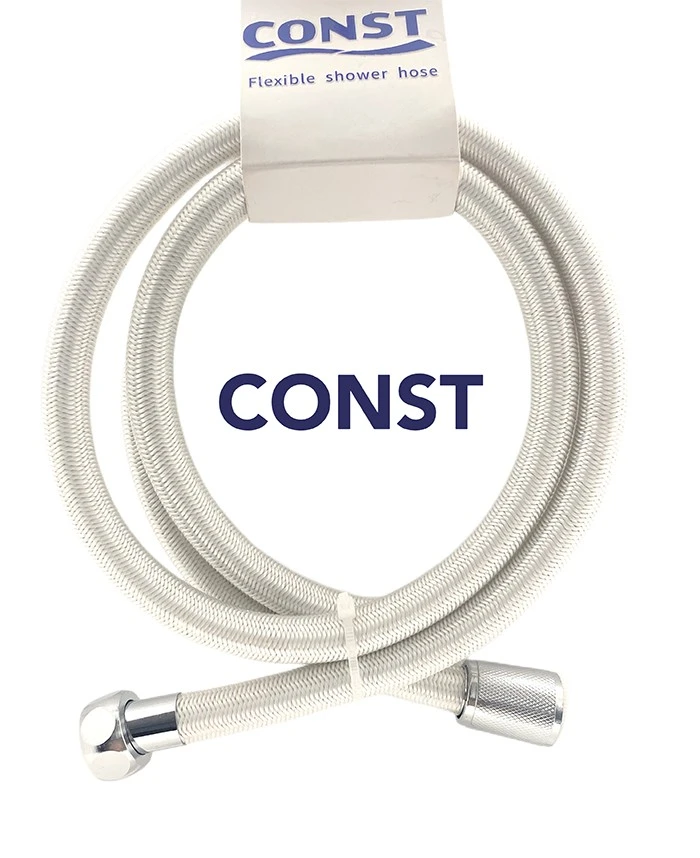
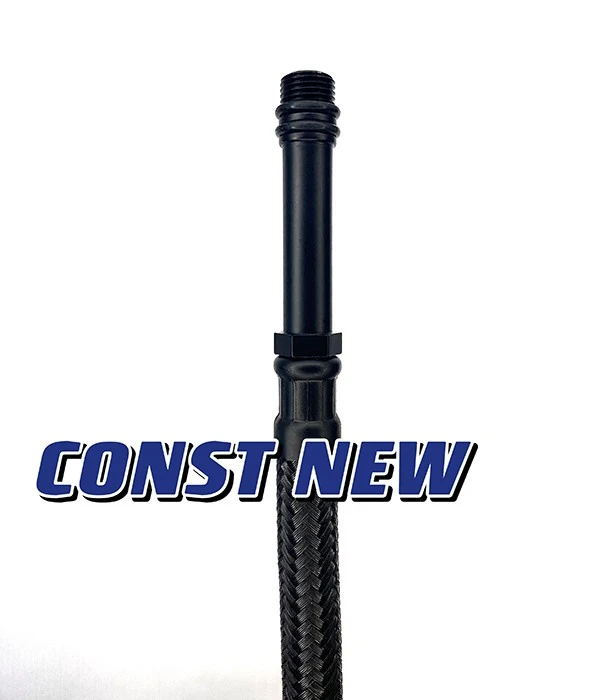
We also offer Polyester Shower Hose, Polyester Braided Hose, and Black Braided Hose, which are suitable for different applications. Our team of experts can help you select the right hose for your specific application and provide guidance on the minimum bend radius and installation requirements.
Conclusion
The minimum bend radius of an SS braided hose is a crucial factor that affects its performance, durability, and safety. By understanding the factors that influence the minimum bend radius and adhering to the manufacturer's guidelines, you can ensure the proper selection and installation of SS braided hoses in your applications.
If you have any questions about our SS braided hoses or need assistance in selecting the right product for your application, please feel free to contact us. We are committed to providing high - quality products and excellent customer service to meet your needs.
References
- "Handbook of Flexible Hose Technology" by John W. Rose
- "Fluid Power Technology" by Fred E. Shevell
- Manufacturer's technical specifications for SS braided hoses