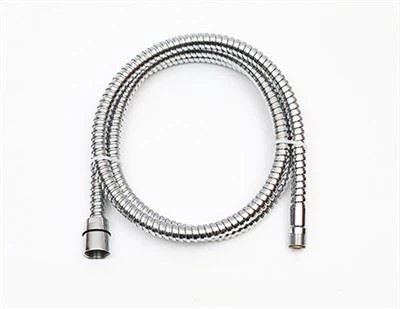
As a supplier of Corrugated Metal Hose, I've witnessed firsthand the intricate relationship between various design parameters and the performance of these essential components. One such crucial parameter is the corrugation pitch, which significantly influences the functionality and suitability of corrugated metal hoses in diverse applications. In this blog, we'll delve into the impact of corrugation pitch on the performance of corrugated metal hoses, exploring its effects on flexibility, pressure resistance, fatigue life, and more.
Flexibility
Flexibility is one of the primary advantages of corrugated metal hoses, allowing them to accommodate movement, vibration, and misalignment in piping systems. The corrugation pitch plays a pivotal role in determining the hose's flexibility. A smaller corrugation pitch generally results in a more flexible hose. This is because a smaller pitch means more corrugations per unit length, providing more bending points and allowing the hose to bend more easily.
For example, in applications where tight bends are required, such as in automotive exhaust systems or aerospace hydraulic lines, a corrugated metal hose with a small pitch can be easily routed around obstacles and through confined spaces. On the other hand, a larger corrugation pitch reduces the number of bending points, making the hose stiffer and less flexible. However, this stiffness can be advantageous in applications where the hose needs to maintain a specific shape or resist excessive movement, such as in industrial piping systems where stability is crucial.
Pressure Resistance
Pressure resistance is another critical performance factor for corrugated metal hoses. The corrugation pitch affects the hose's ability to withstand internal pressure. A smaller corrugation pitch generally enhances the pressure resistance of the hose. This is because the smaller pitch distributes the internal pressure more evenly across the corrugations, reducing the stress concentration at any single point.
In high-pressure applications, such as in oil and gas pipelines or hydraulic systems, a corrugated metal hose with a small pitch can better withstand the pressure without bursting or leaking. Conversely, a larger corrugation pitch may result in higher stress concentrations at the corrugation peaks and valleys, increasing the risk of failure under high pressure. However, it's important to note that other factors, such as the wall thickness of the hose and the material used, also play significant roles in determining the overall pressure resistance.
Fatigue Life
The fatigue life of a corrugated metal hose refers to its ability to withstand repeated cycles of bending, stretching, and compression without failing. The corrugation pitch has a direct impact on the fatigue life of the hose. A smaller corrugation pitch generally improves the fatigue life of the hose. This is because the smaller pitch reduces the stress amplitude experienced by the corrugations during each cycle of movement, minimizing the risk of crack initiation and propagation.
In applications where the hose is subjected to frequent movement or vibration, such as in machinery or automotive engines, a corrugated metal hose with a small pitch can provide a longer service life. On the contrary, a larger corrugation pitch may increase the stress amplitude, leading to premature fatigue failure. However, the fatigue life of the hose also depends on other factors, such as the material properties, the amplitude and frequency of the applied loads, and the environmental conditions.
Flow Characteristics
The corrugation pitch can also affect the flow characteristics of the fluid passing through the corrugated metal hose. A smaller corrugation pitch generally results in a smoother internal surface, reducing the frictional resistance to fluid flow. This can lead to lower pressure drops and improved flow efficiency, especially in applications where the fluid needs to flow at high velocities or through long lengths of hose.
In contrast, a larger corrugation pitch may create more turbulence and increase the frictional resistance, resulting in higher pressure drops and reduced flow efficiency. However, in some applications where mixing or agitation of the fluid is required, a larger corrugation pitch can be beneficial as it can promote better mixing and heat transfer.
Selection Considerations
When selecting a corrugated metal hose for a specific application, it's essential to consider the impact of the corrugation pitch on its performance. Here are some key factors to keep in mind:


- Application Requirements: Understand the specific requirements of the application, such as the degree of flexibility needed, the operating pressure, the frequency of movement, and the flow characteristics of the fluid. This will help you determine the appropriate corrugation pitch for the hose.
- Material and Wall Thickness: The material and wall thickness of the hose also affect its performance. Consider the compatibility of the material with the fluid being conveyed and the environmental conditions. A thicker wall may be required for high-pressure applications, while a thinner wall may be suitable for applications where flexibility is the primary concern.
- Cost and Availability: The corrugation pitch can also affect the cost and availability of the hose. Smaller pitch hoses may be more expensive to manufacture due to the increased complexity of the corrugation process. Additionally, some pitches may be more readily available than others, depending on the manufacturer's capabilities and inventory.
Conclusion
In conclusion, the corrugation pitch has a significant impact on the performance of corrugated metal hoses. It affects the hose's flexibility, pressure resistance, fatigue life, and flow characteristics. By understanding the relationship between the corrugation pitch and these performance factors, you can make an informed decision when selecting a corrugated metal hose for your specific application.
As a supplier of Corrugated Metal Hose, we offer a wide range of corrugated metal hoses with different corrugation pitches to meet the diverse needs of our customers. Our Corrugated Copper Tubing and Stainless Steel Corrugated Hose are available in various sizes and configurations, ensuring that you can find the perfect solution for your application.
If you have any questions or need assistance in selecting the right corrugated metal hose for your project, please don't hesitate to contact us. Our team of experts is ready to provide you with professional advice and support. We look forward to working with you to meet your corrugated metal hose needs.
References
- "Handbook of Corrugated Metal Hose Design and Application"
- "Corrugated Metal Hose: Theory and Practice"
- Industry standards and guidelines related to corrugated metal hoses