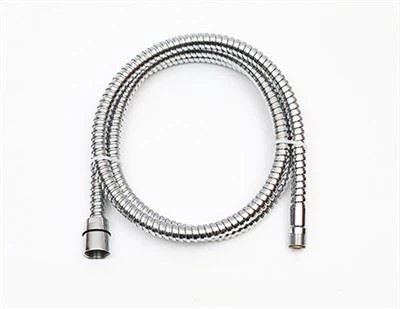
When it comes to washing machine drain hoses, understanding the difference between rigid and semi - rigid options is crucial for both consumers and professionals in the industry. As a supplier of Washing Machine Drain Hoses, I've witnessed firsthand the various requirements and preferences of our customers. In this blog, I'll delve into the key differences between these two types of hoses, their advantages, and disadvantages, to help you make an informed decision.
Structure and Material
The most obvious difference between rigid and semi - rigid washing machine drain hoses lies in their structure and the materials used. Rigid drain hoses are typically made from hard plastics like PVC (Polyvinyl Chloride). These hoses have a fixed shape and are not easily bent or deformed. They maintain their form under normal operating conditions, providing a stable and straight path for water to flow out of the washing machine.
On the other hand, semi - rigid drain hoses are made from a combination of flexible materials, often with a layer of reinforcement. For example, they may have a rubber inner layer covered with a braided or corrugated outer layer. This construction allows the hose to be bent and shaped to fit different installation requirements while still maintaining some degree of stiffness.
Installation Flexibility
One of the significant differences between the two types of hoses is their installation flexibility. Rigid hoses are less flexible, which means they are best suited for installations where the path from the washing machine to the drain is straight and unobstructed. If you have a simple setup with a direct route to the drain, a rigid hose can be a great choice. However, if there are obstacles or if you need to route the hose around corners, a rigid hose may not be practical.
Semi - rigid hoses, on the other hand, offer much more installation flexibility. They can be bent and curved to fit around furniture, pipes, and other obstacles. This makes them ideal for situations where the installation space is limited or where the drain is not in a straightforward location. For example, in a small laundry room with limited space, a semi - rigid hose can be easily maneuvered to reach the drain.
Durability
Durability is another important factor to consider when choosing between rigid and semi - rigid washing machine drain hoses. Rigid hoses are generally more durable in terms of withstanding physical damage. The hard plastic construction makes them resistant to kinking, crushing, and abrasion. They can also handle high water pressure without deforming. However, rigid hoses are more prone to cracking if they are exposed to extreme temperatures or if they are bent beyond their limit.
Semi - rigid hoses, while not as rigid as their counterparts, still offer good durability. The flexible materials used in their construction can absorb shocks and vibrations, reducing the risk of damage. However, the outer layer of a semi - rigid hose may be more susceptible to wear and tear over time, especially if it is constantly rubbed against sharp edges or rough surfaces.
Flow Rate
The flow rate of water through the drain hose is an important consideration, as it affects the efficiency of the washing machine. Rigid hoses typically have a higher flow rate because of their straight and unobstructed design. The smooth interior of the rigid hose allows water to flow freely without any significant resistance. This can result in faster draining times, which is beneficial for larger loads and more frequent use.
Semi - rigid hoses may have a slightly lower flow rate due to their flexible and sometimes corrugated design. The bends and curves in the hose can create some resistance to the flow of water, slowing down the draining process. However, modern semi - rigid hoses are designed to minimize this effect, and in most cases, the difference in flow rate is not significant enough to cause any major issues.
Cost
Cost is always a factor when making a purchasing decision. Rigid washing machine drain hoses are generally less expensive than semi - rigid hoses. The simpler construction and the use of less expensive materials contribute to the lower cost. If you are on a tight budget and have a straightforward installation, a rigid hose may be the more cost - effective option.


Semi - rigid hoses, with their more complex construction and the use of higher - quality materials, tend to be more expensive. However, the additional cost may be justified by the increased flexibility and durability they offer, especially in situations where a rigid hose would not be suitable.
Compatibility
Both rigid and semi - rigid washing machine drain hoses need to be compatible with your washing machine and the drain system. Most modern washing machines come with standard connection sizes, and both types of hoses are available in a variety of sizes to fit these connections. However, it's important to check the specifications of your washing machine and the drain system before purchasing a hose to ensure a proper fit.
Some washing machines may have specific requirements for the type of drain hose that can be used. For example, certain high - end models may require a semi - rigid hose to ensure optimal performance. In addition, the drain system in your home may also affect the choice of hose. If you have a gravity - fed drain system, a rigid hose may be more suitable, as it can provide a direct and unobstructed path for water to flow.
Maintenance
Maintenance requirements also differ between rigid and semi - rigid washing machine drain hoses. Rigid hoses are relatively easy to maintain. They can be cleaned by simply flushing them with water or using a mild cleaning solution. Since they are less likely to kink or become clogged, they require less frequent maintenance.
Semi - rigid hoses may require a bit more maintenance. The flexible nature of the hose can make it more prone to collecting debris and dirt. Regular cleaning is recommended to prevent clogs and ensure proper water flow. In addition, the outer layer of the semi - rigid hose may need to be inspected periodically for signs of wear and tear.
Which One Should You Choose?
The choice between a rigid and a semi - rigid washing machine drain hose depends on several factors. If you have a simple installation with a straight path to the drain, a rigid hose may be the best choice. It offers a high flow rate, is durable, and is cost - effective. However, if you have a more complex installation with obstacles or limited space, a semi - rigid hose is likely to be more suitable. It provides the flexibility needed to fit around corners and through tight spaces, and it can withstand some degree of bending without cracking.
As a supplier of Washing Machine Drain Hose, we offer a wide range of both rigid and semi - rigid hoses to meet the diverse needs of our customers. We also provide Washing Machine Inlet Hose for those who need to replace or upgrade their washing machine's water supply.
If you're in the market for a washing machine drain hose or have any questions about the differences between rigid and semi - rigid hoses, please don't hesitate to contact us. Our team of experts is ready to assist you in making the right choice for your specific needs. We can provide detailed product information, installation tips, and even help you with any technical issues you may encounter.
References
- "Washing Machine Drain Hose Guide" - Home Appliance Magazine
- "The Science of Water Flow in Washing Machine Hoses" - Plumbing Research Journal
- "Materials and Durability of Washing Machine Hoses" - Engineering Materials Review