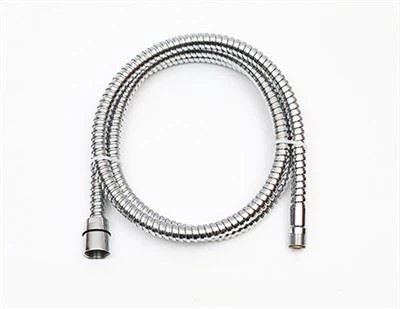
Hey there! As a supplier of pull - out faucet hoses, I've seen my fair share of clogged hoses. It's a common problem that can really put a damper on your daily routine. So, I'm here to share with you the best ways to unclog a pull - out faucet hose.
Understanding the Causes of Clogs
Before we dive into the solutions, it's important to know what causes these clogs in the first place. Usually, mineral deposits from hard water are the main culprits. Over time, calcium and magnesium in the water build up inside the hose, restricting the water flow. Another cause could be debris like sand, dirt, or small particles that get into the hose through the water supply. Sometimes, even tiny pieces of rubber or plastic from the faucet or other plumbing components can find their way into the hose and cause a blockage.
Tools You'll Need
To unclog your pull - out faucet hose, you won't need a whole bunch of fancy tools. Here's what you'll need:
- Vinegar: It's a natural and effective cleaner that can dissolve mineral deposits.
- A bucket: To soak the hose in.
- A small brush: Like an old toothbrush, to scrub away any stubborn debris.
- A pair of pliers: To remove the hose from the faucet if necessary.
Step - by - Step Unclogging Process
Step 1: Remove the Hose
First things first, you need to turn off the water supply to the faucet. This is usually done by closing the shut - off valves under the sink. Once the water is off, use the pliers to carefully disconnect the hose from the faucet. Be gentle so you don't damage the hose or the fittings.
Step 2: Inspect the Hose
Take a good look at the hose. Check for any visible signs of debris or blockages at the ends or along the length of the hose. If you see any large pieces of debris, try to remove them with your fingers or the small brush.
Step 3: Soak the Hose in Vinegar
Fill the bucket with equal parts of vinegar and water. Submerge the hose in the vinegar solution and let it soak for at least a few hours, or even overnight if the clog is really stubborn. Vinegar is acidic, and it will break down the mineral deposits inside the hose.
Step 4: Scrub the Hose
After soaking, take the hose out of the vinegar solution and use the small brush to scrub the inside and outside of the hose. Pay special attention to the areas where you suspect the clog is. The brush will help loosen any remaining debris and mineral deposits.
Step 5: Rinse the Hose
Rinse the hose thoroughly with clean water. You can do this by holding one end of the hose under a running faucet or by using a garden hose to flush it out. Make sure all the vinegar and debris are completely removed from the hose.

Step 6: Reattach the Hose
Once the hose is clean and dry, reattach it to the faucet. Use the pliers to tighten the fittings, but don't over - tighten them as this could cause leaks.
Alternative Methods
Using a Plumbing Snake
If the clog is really deep inside the hose and the vinegar method doesn't work, you can try using a plumbing snake. A plumbing snake is a long, flexible tool that can be inserted into the hose to break up the clog. Just insert the snake into the hose and turn the handle to push it through the blockage.

Using a Pressure Washer
Another option is to use a pressure washer. Connect the pressure washer to the hose and turn it on at a low pressure setting. The high - pressure water can help dislodge the clog. However, be careful when using a pressure washer as too much pressure can damage the hose.
Choosing the Right Pull - Out Faucet Hose
As a supplier, I know that choosing the right pull - out faucet hose can also help prevent clogs. We offer a variety of high - quality hoses, such as the [Nylon Pull - out Hose](/pull - hose/nylon - shower - hose.html), which is lightweight and resistant to kinking. The [Stainless Steel Pull - out Hose](/pull - hose/pull - out - faucet - hose.html) is durable and can withstand high water pressure. And if you need a hose that can rotate freely, our [360 Degree Pull - out Hose](/pull - hose/360 - degree - pull - out - hose.html) is a great choice.
Maintenance Tips to Prevent Clogs
- Use a Water Softener: If you have hard water, installing a water softener can reduce the amount of mineral deposits in your water, which in turn can prevent clogs in your hose.
- Regularly Clean the Faucet Aerator: The aerator is the small device at the end of the faucet that mixes air with water. Over time, it can collect debris and cause a decrease in water flow. Remove the aerator and clean it regularly to keep the water flowing smoothly.
- Avoid Pouring Grease or Oil Down the Drain: Grease and oil can solidify inside the pipes and hoses, causing blockages. Make sure to dispose of them properly.
Conclusion
Unclogging a pull - out faucet hose doesn't have to be a hassle. By following the steps I've outlined above and taking some preventive measures, you can keep your hose in good working condition. And if you're in the market for a new pull - out faucet hose, we've got you covered with our wide range of high - quality products. Whether you need a [Nylon Pull - out Hose](/pull - hose/nylon - shower - hose.html), a [Stainless Steel Pull - out Hose](/pull - hose/pull - out - faucet - hose.html), or a [360 Degree Pull - out Hose](/pull - hose/360 - degree - pull - out - hose.html), we have the perfect solution for you.
If you're interested in our products or have any questions, feel free to reach out to us for a purchase discussion. We're always here to help you find the best pull - out faucet hose for your needs.
References
- "The Homeowner's Guide to Plumbing Repairs" by Bob Vila
- "Plumbing for Dummies" by Chuck Hoelscher