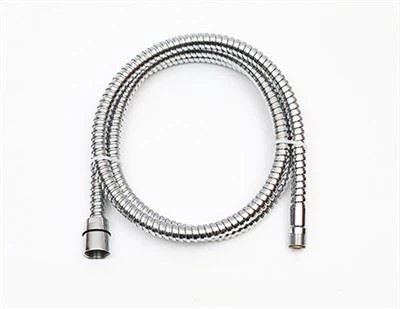
Hey there! As a gas hose supplier, I've seen my fair share of damaged gas hoses over the years. It's super important to know the signs of a damaged gas hose because it can not only affect the performance of your gas appliances but also pose serious safety risks. So, let's dive into what those signs are.
Physical Wear and Tear
One of the most obvious signs of a damaged gas hose is physical wear and tear. This can include visible cracks, cuts, or abrasions on the surface of the hose. These damages can occur due to a variety of reasons, such as friction against sharp objects, exposure to extreme temperatures, or just general aging.
Cracks are a major red flag. Even small cracks can allow gas to leak out, which is extremely dangerous. You should regularly inspect your gas hoses for any signs of cracking. If you notice a crack, no matter how small, it's time to replace the hose. You can check out our PVC Gas Hose which is known for its durability and resistance to wear and tear.
Cuts and abrasions are also common. These can be caused by improper handling or installation. For example, if the hose is pinched during installation, it can develop a cut. And if the hose rubs against a rough surface over time, it can lead to abrasions. Once again, if you spot any cuts or abrasions, it's best to replace the hose right away.
Swelling or Bulging
Another sign of a damaged gas hose is swelling or bulging. This can happen when the hose is exposed to high pressure or if there's a problem with the gas flow. Swelling can weaken the structure of the hose, making it more likely to burst.
If you notice that your gas hose is swelling or bulging in certain areas, don't ignore it. It's a clear indication that something is wrong. You might need to check the pressure settings of your gas system or have a professional take a look. In many cases, a swollen or bulging hose will need to be replaced. Our Natural Gas Flex Hose is designed to handle normal gas pressures without swelling, but it's still important to keep an eye on it.
Discoloration
Discoloration of the gas hose can also be a sign of damage. For instance, if the hose starts to turn black or brown, it could be due to exposure to heat or chemicals. Heat can cause the material of the hose to break down, leading to discoloration. And if the hose comes into contact with certain chemicals, it can also change color.
Discolored areas might be weaker than the rest of the hose, so they're more prone to leaks. If you see any discoloration on your gas hose, it's a good idea to have it inspected. And if the damage is significant, consider replacing the hose. You can find a wide range of high - quality gas hoses on our website, like the Gas Connect Hose.
Odor of Gas
The smell of gas is perhaps the most alarming sign of a damaged gas hose. Natural gas has an odorant added to it so that leaks can be detected easily. If you smell a strong, unpleasant odor similar to rotten eggs around your gas hose, it's a clear indication that there's a gas leak.
Don't try to fix the problem yourself if you detect a gas leak. Immediately turn off the gas supply at the source and open the windows to ventilate the area. Then, call a professional to come and inspect the hose. A gas leak is extremely dangerous as it can lead to explosions or fires.
Loose or Damaged Fittings
The fittings at the ends of the gas hose are just as important as the hose itself. Loose or damaged fittings can cause gas to leak. You should regularly check the fittings to make sure they're tight and in good condition.
If you notice that a fitting is loose, you can try tightening it with the appropriate tools. But if the fitting is damaged, such as having a crack or being corroded, it needs to be replaced. Sometimes, a loose or damaged fitting can be the root cause of other problems with the gas hose, like excessive wear or leaks.
Difficulty in Gas Flow
If you're experiencing difficulty in getting a proper gas flow to your appliances, it could be a sign of a damaged gas hose. A blockage or restriction in the hose can prevent the gas from flowing smoothly. This could be due to a kink in the hose, debris inside the hose, or damage to the internal structure of the hose.


If you notice that your gas appliances aren't working as efficiently as they should, check the gas hose. You might need to straighten out any kinks or, if there's debris, have the hose cleaned or replaced.
Age of the Hose
The age of the gas hose is also an important factor. Over time, the materials in the hose can deteriorate, even if it hasn't been subjected to obvious wear and tear. Most gas hoses have a recommended lifespan, and it's a good idea to replace them after that period.
If your gas hose is several years old, it's worth considering a replacement, even if you don't see any obvious signs of damage. Our gas hoses are made with high - quality materials to ensure a long lifespan, but it's still important to keep track of their age.
In conclusion, being aware of the signs of a damaged gas hose is crucial for your safety and the proper functioning of your gas appliances. If you notice any of these signs, don't hesitate to take action. Whether it's a simple inspection or a full - blown replacement, it's better to be safe than sorry.
If you're in the market for a new gas hose, we've got you covered. We offer a wide range of gas hoses, including PVC Gas Hose, Natural Gas Flex Hose, and Gas Connect Hose. Our hoses are made with high - quality materials and are designed to meet all your gas - related needs.
If you're interested in purchasing our gas hoses or have any questions, feel free to reach out to us. We're here to help you make the right choice for your gas system.
References
- General knowledge in the gas hose industry.
- Manufacturer guidelines for gas hoses.