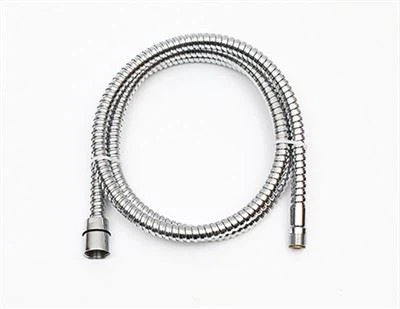
Hey there! As a gas hose supplier, I often get asked whether it's necessary to insulate a gas hose. It's a question that comes up a lot, and the answer isn't always straightforward. In this blog post, I'm going to break it down for you and give you the lowdown on gas hose insulation.
Let's start by understanding what gas hoses are and what they do. Gas hoses are used to transfer gas from a source, like a gas cylinder or a pipeline, to an appliance. They come in different types, such as Gas Connect Hose, Natural Gas Flex Hose, and PVC Gas Hose. Each type has its own characteristics and is designed for specific applications.
Why Insulate a Gas Hose?
One of the main reasons to insulate a gas hose is to prevent heat loss. In cold environments, the temperature of the gas inside the hose can drop, which can affect the performance of the appliance. For example, if you're using a gas heater, a drop in gas temperature can reduce the heating efficiency. Insulation helps to keep the gas at a more consistent temperature, ensuring that the appliance works as it should.
Another reason is to protect the hose from external factors. Insulation can act as a barrier against physical damage, such as abrasion and impact. It can also protect the hose from extreme temperatures, both hot and cold. In hot environments, insulation can prevent the hose from overheating, which can lead to degradation of the hose material and potential safety issues.
Insulation can also improve safety. By reducing the risk of heat loss and protecting the hose from damage, it can minimize the chances of gas leaks. Gas leaks are not only dangerous but can also lead to energy waste.
When is Insulation Necessary?
The need for insulation depends on several factors. If you're using the gas hose in a cold climate, insulation is almost always a good idea. For instance, in regions with harsh winters, the cold can cause the gas to contract, and without insulation, the pressure inside the hose can drop, affecting the flow of gas to the appliance.
If the gas hose is exposed to extreme temperatures, either hot or cold, insulation is also recommended. For example, if the hose is installed near a furnace or in direct sunlight, it can get very hot. On the other hand, if it's in an unheated garage or outdoors in winter, it can get extremely cold. In both cases, insulation can help to maintain the integrity of the hose and the performance of the gas system.
If the gas hose is in a high-traffic area where it's likely to be bumped or rubbed against, insulation can provide an extra layer of protection. This is especially important for hoses that are used in industrial settings or in areas with a lot of movement.
Types of Insulation
There are different types of insulation materials available for gas hoses. One common type is foam insulation. Foam insulation is lightweight, easy to install, and provides good thermal insulation. It can be wrapped around the hose and secured with tape or clips.
Another option is fiberglass insulation. Fiberglass insulation is more durable and can withstand higher temperatures. It's often used in industrial applications where the hose is exposed to extreme heat.
There are also specialized insulation products designed specifically for gas hoses. These products are usually made from materials that are resistant to gas and can provide excellent insulation properties.
Installation of Insulation
Installing insulation on a gas hose is relatively simple. First, you need to measure the length of the hose to determine how much insulation you need. Then, cut the insulation material to the appropriate length.
If you're using foam insulation, you can simply wrap it around the hose, starting from one end and working your way to the other. Make sure to overlap the insulation slightly to ensure complete coverage. Secure the insulation with tape or clips.
For fiberglass insulation, you may need to use a more specialized installation method. Some fiberglass insulation comes in pre-formed sections that can be snapped onto the hose. Others may require you to wrap the fiberglass around the hose and then secure it with wire or banding.
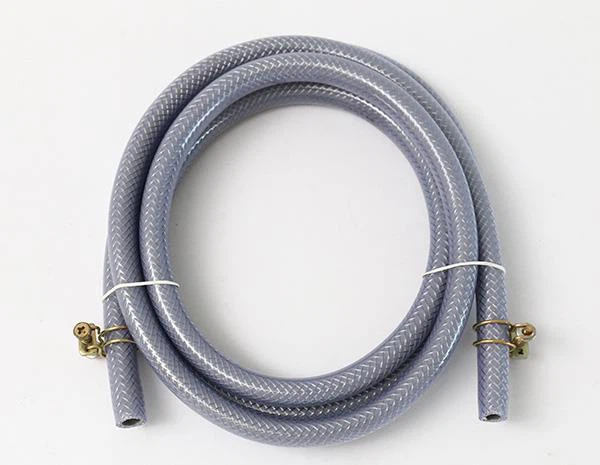

It's important to follow the manufacturer's instructions when installing insulation on a gas hose. Make sure that the insulation is installed correctly and that there are no gaps or loose areas.
Considerations
While insulation can offer many benefits, there are also some things to consider. First, insulation can add to the cost of the gas hose. You need to weigh the benefits of insulation against the additional cost.
Second, insulation can increase the size of the hose. This may be a problem if the hose needs to fit into a tight space. Make sure to measure the available space before installing insulation.
Finally, it's important to choose the right type of insulation for your specific application. Different insulation materials have different properties, and you need to select the one that best suits your needs.
Conclusion
So, is it necessary to insulate a gas hose? The answer depends on your specific situation. If you're using the hose in a cold climate, exposed to extreme temperatures, or in a high-traffic area, insulation is likely a good idea. It can improve the performance of the gas system, protect the hose from damage, and enhance safety.
As a gas hose supplier, I can provide you with high-quality gas hoses and insulation materials. If you're interested in learning more about gas hose insulation or have any questions about our products, feel free to reach out. We're here to help you make the right choice for your gas hose needs.
References
- Industry standards and guidelines for gas hose insulation
- Manufacturer's specifications for gas hoses and insulation materials