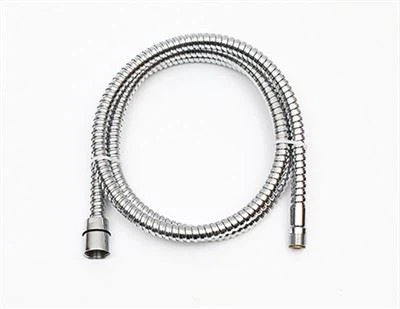
As a supplier of PVC Concave - convex Hose, I understand the importance of ensuring the quality of our products. Quality testing is a crucial step in the manufacturing process, as it helps to identify any potential issues and ensure that the hoses meet the required standards. In this blog post, I will share some effective methods on how to test the quality of PVC Concave - convex Hose.
1. Visual Inspection
The first step in testing the quality of PVC Concave - convex Hose is a thorough visual inspection. This involves examining the hose for any visible defects such as cracks, holes, or uneven surfaces. A high - quality PVC Concave - convex Hose should have a smooth and consistent surface, with no signs of damage or deformation.
Inspect the concave and convex patterns on the hose. These patterns should be well - defined and evenly spaced. Any irregularities in the patterns may indicate a problem with the manufacturing process. Check the color of the hose as well. A uniform color is a sign of good quality, while discoloration or fading may suggest issues with the material or the manufacturing environment.
2. Dimensional Accuracy
Accurate dimensions are essential for the proper functioning of PVC Concave - convex Hose. Use a measuring tool such as a caliper or a ruler to check the outer diameter, inner diameter, and wall thickness of the hose. The dimensions should match the specifications provided by the manufacturer.
Deviations in the dimensions can affect the hose's performance, such as its flow rate and pressure resistance. For example, if the inner diameter is smaller than specified, it may restrict the flow of fluid through the hose. On the other hand, if the wall thickness is not consistent, it can lead to weak spots in the hose, increasing the risk of leaks or bursts.
3. Pressure Testing
Pressure testing is a critical method to evaluate the strength and durability of PVC Concave - convex Hose. This test involves subjecting the hose to a specific pressure to determine its ability to withstand the pressure without leaking or bursting.
There are two common types of pressure tests: static pressure test and dynamic pressure test. In a static pressure test, the hose is filled with a fluid (usually water) and then pressurized to a predetermined level. The pressure is maintained for a certain period, and the hose is inspected for any signs of leakage.
A dynamic pressure test, on the other hand, simulates the actual operating conditions of the hose. The hose is connected to a system that generates fluctuating pressure, similar to what it would experience in real - world applications. This test helps to identify any potential issues that may occur under dynamic pressure conditions.
4. Tensile Strength Testing
Tensile strength testing measures the maximum amount of stress that a PVC Concave - convex Hose can withstand before breaking. This test is important because the hose may be subjected to pulling or stretching forces during installation or use.
To conduct a tensile strength test, a sample of the hose is placed in a testing machine. The machine applies a gradually increasing force to the sample until it breaks. The maximum force applied at the point of breakage is recorded as the tensile strength of the hose.
A high tensile strength indicates that the hose is strong and can withstand significant pulling forces without breaking. This is particularly important for hoses that are used in applications where they may be subject to mechanical stress.
5. Chemical Resistance Testing
PVC Concave - convex Hoses are often used in environments where they may come into contact with various chemicals. Therefore, it is important to test the hose's chemical resistance to ensure that it can withstand exposure to these chemicals without deteriorating.
Chemical resistance testing involves immersing a sample of the hose in a specific chemical solution for a certain period. After the immersion, the sample is inspected for any changes in its physical properties, such as color, hardness, or swelling.
If the hose shows signs of deterioration, it may not be suitable for use in environments where it will be exposed to that particular chemical. This test helps to ensure that the hose can maintain its performance and integrity in different chemical environments.
6. Flexibility Testing
Flexibility is an important characteristic of PVC Concave - convex Hose, especially in applications where the hose needs to be bent or twisted. Flexibility testing measures the ease with which the hose can be bent without kinking or cracking.
To perform a flexibility test, a sample of the hose is bent to a specific radius at a certain temperature. The number of times the hose can be bent without damage is recorded. A higher number of bends indicates better flexibility.
Good flexibility allows the hose to be easily installed and used in various applications, reducing the risk of damage during installation and operation.
7. Abrasion Resistance Testing
Abrasion resistance is crucial for PVC Concave - convex Hoses, as they may be subject to rubbing or scraping against other surfaces during use. Abrasion resistance testing measures the hose's ability to resist wear and tear caused by abrasion.
There are several methods for abrasion resistance testing. One common method is to use an abrasion tester, which rubs a sample of the hose against an abrasive surface for a certain number of cycles. After the test, the weight loss of the sample is measured. A lower weight loss indicates better abrasion resistance.
Hoses with good abrasion resistance are more durable and can last longer in applications where they are exposed to abrasive conditions.
8. Leakage Testing
Leakage testing is a simple but important test to ensure that the PVC Concave - convex Hose does not have any leaks. This test can be performed by filling the hose with a fluid and then checking for any signs of leakage at the joints and along the length of the hose.
There are different ways to detect leaks. One method is to use a pressure gauge to monitor the pressure inside the hose. If the pressure drops over time, it may indicate a leak. Another method is to use a leak detection solution, which can be applied to the joints and surfaces of the hose. If there is a leak, the solution will bubble, indicating the location of the leak.
Ensuring that the hose is leak - free is essential for its proper functioning and to prevent any loss of fluid or damage to the surrounding environment.


Conclusion
Testing the quality of PVC Concave - convex Hose is a comprehensive process that involves multiple tests to evaluate different aspects of the hose's performance. By conducting these tests, we can ensure that our products meet the highest quality standards and provide our customers with reliable and durable hoses.
If you are interested in purchasing high - quality PVC Concave - convex Hoses, PVC Concave - convex Hose, Antibacterial Shower Hose, or PVC Color Change Shower Hose, please feel free to contact us for further discussion and negotiation. We are committed to providing you with the best products and services.
References
- ASTM International. Standard Test Methods for Plastics.
- ISO Standards. International Organization for Standardization.
- Manufacturer's Technical Documentation for PVC Concave - convex Hose.