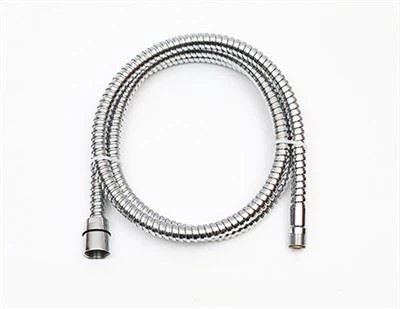
As a seasoned supplier of corrugated copper tubing, I've witnessed firsthand the significance of proper storage in maintaining the quality and longevity of this versatile product. Corrugated copper tubing is widely used in various industries, including plumbing, HVAC, and automotive, due to its flexibility, durability, and resistance to corrosion. However, improper storage can lead to damage, degradation, and ultimately, a decrease in performance. In this blog post, I'll share some essential tips on how to store corrugated copper tubing properly to ensure its optimal condition.
Choose the Right Storage Environment
The first step in proper storage is selecting the right environment. Corrugated copper tubing should be stored in a clean, dry, and well-ventilated area. Exposure to moisture, humidity, and extreme temperatures can cause corrosion, oxidation, and other forms of damage. Ideally, the storage area should have a temperature between 50°F and 80°F (10°C and 27°C) and a relative humidity below 60%.

Avoid storing corrugated copper tubing in areas prone to flooding, leaks, or excessive dust. Additionally, keep it away from chemicals, solvents, and other substances that can react with copper and cause damage. If possible, store the tubing in a dedicated storage facility or a locked cabinet to prevent unauthorized access and potential damage.
Protect the Tubing from Physical Damage
Corrugated copper tubing is relatively flexible but can still be damaged if not handled and stored properly. To prevent physical damage, avoid stacking heavy objects on top of the tubing or subjecting it to excessive pressure. Use appropriate storage racks, shelves, or pallets to keep the tubing organized and off the ground.
When handling the tubing, use caution to avoid bending, kinking, or scratching it. Use proper lifting equipment, such as forklifts or hoists, to move large quantities of tubing. If the tubing needs to be cut or bent, use the appropriate tools and techniques to ensure a clean and precise cut or bend.

Wrap the Tubing to Prevent Oxidation
Copper is a reactive metal that can oxidize when exposed to air and moisture. Oxidation can cause the tubing to develop a greenish patina, which not only affects its appearance but also reduces its corrosion resistance. To prevent oxidation, wrap the corrugated copper tubing in a protective material, such as plastic sheeting or paper.
The protective wrapping should be tight-fitting and cover the entire length of the tubing. Make sure to seal the ends of the wrapping to prevent air and moisture from entering. If the tubing is stored for an extended period, consider using a corrosion inhibitor or a protective coating to provide additional protection against oxidation.
Label and Organize the Tubing
Proper labeling and organization are essential for efficient storage and easy access to the corrugated copper tubing. Label each roll or bundle of tubing with its size, length, and other relevant information, such as the date of manufacture or the batch number. This will make it easier to identify and locate the tubing when needed.

Organize the tubing by size, length, and application to make it easier to find the right tubing for a specific project. Use storage racks or shelves with clearly marked sections to keep the tubing organized and prevent it from becoming tangled or mixed up.

Inspect the Tubing Regularly
Regular inspection is crucial to ensure the quality and integrity of the corrugated copper tubing. Inspect the tubing for any signs of damage, such as dents, scratches, or corrosion, on a regular basis. If any damage is detected, take appropriate action to repair or replace the damaged tubing.
In addition to visual inspection, it's also a good idea to perform periodic tests on the tubing to ensure its performance. This may include pressure testing, leak testing, or other tests depending on the application. By regularly inspecting and testing the tubing, you can identify and address any potential issues before they become major problems.
Conclusion
Proper storage of corrugated copper tubing is essential to maintain its quality, performance, and longevity. By choosing the right storage environment, protecting the tubing from physical damage, wrapping it to prevent oxidation, labeling and organizing it, and inspecting it regularly, you can ensure that your corrugated copper tubing remains in optimal condition.
If you're in the market for high-quality corrugated copper tubing or other related products, such as Corrugated Metal Hose, Stainless Steel Corrugated Hose, or Large Diameter Corrugated Hose, please don't hesitate to contact us. We're committed to providing our customers with the best products and services, and we'd be happy to discuss your specific needs and requirements.
References
- ASTM B359/B359M - Standard Specification for Seamless Copper Corrugated Tubing
- ASME B31.1 - Power Piping
- ASME B31.3 - Process Piping