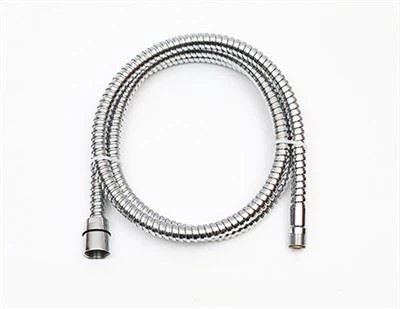
As a supplier of PVC Gas Hoses, I understand the importance of ensuring these hoses remain in optimal condition. PVC gas hoses are widely used in various applications, from residential cooking to industrial processes. However, they are susceptible to damage if not properly protected. In this blog post, I'll share some practical tips on how to protect a PVC gas hose from damage, ensuring its longevity and safe operation.
Understanding the Vulnerabilities of PVC Gas Hoses
Before delving into protective measures, it's crucial to understand what can damage PVC gas hoses. PVC, or polyvinyl chloride, is a durable material, but it has its limitations. Exposure to extreme temperatures, sharp objects, chemicals, and improper installation can all lead to damage.
Extreme heat can cause the PVC to soften and lose its structural integrity, while extreme cold can make it brittle and prone to cracking. Sharp objects can puncture the hose, creating leaks that pose a significant safety risk. Chemicals, such as solvents and certain cleaning agents, can degrade the PVC material over time. Improper installation, including over - tightening or kinking the hose, can also lead to premature failure.
Proper Installation
The first step in protecting a PVC gas hose is proper installation. A poorly installed hose is more likely to be damaged during use. Here are some key points to consider:


- Choose the Right Hose: Ensure you select a PVC gas hose that is suitable for your specific application. Consider factors such as the type of gas being used, the pressure requirements, and the environmental conditions. You can find a wide range of PVC Gas Hose options on our website.
- Inspect the Hose: Before installation, carefully inspect the hose for any visible signs of damage, such as cuts, abrasions, or bulges. If you find any damage, do not install the hose and contact your supplier for a replacement.
- Use the Correct Fittings: Make sure to use the appropriate fittings for your PVC gas hose. The fittings should be compatible with the hose and the gas appliance. Incorrect fittings can cause leaks and put unnecessary stress on the hose.
- Avoid Kinking: When installing the hose, be careful not to kink it. Kinks can restrict the flow of gas and weaken the hose, making it more likely to rupture. If you need to bend the hose, do so gradually and with a large radius.
- Tighten Fittings Properly: Use a wrench to tighten the fittings to the recommended torque. Over - tightening can damage the hose and the fittings, while under - tightening can result in leaks.
Protection from Physical Damage
Physical damage is one of the most common causes of PVC gas hose failure. Here are some ways to protect the hose from physical harm:
- Use Protective Covers: Consider using protective covers or sleeves for your PVC gas hose. These can provide an extra layer of protection against abrasion, cuts, and impact. Protective covers are available in various materials, such as rubber or plastic.
- Keep the Hose Away from Sharp Objects: Store and use the hose in an area where it is not likely to come into contact with sharp objects. If you need to route the hose near sharp edges or corners, use padding or guards to prevent damage.
- Secure the Hose: Make sure the hose is properly secured to prevent it from moving around and getting damaged. You can use clamps or brackets to hold the hose in place. Avoid using excessive force when securing the hose, as this can cause damage.
Temperature and Environmental Protection
PVC gas hoses are sensitive to temperature changes and environmental conditions. Here's how you can protect them:
- Avoid Extreme Temperatures: Keep the hose away from sources of extreme heat, such as furnaces, heaters, or direct sunlight. If the hose is exposed to high temperatures for an extended period, it can soften and lose its shape. In cold weather, insulate the hose if necessary to prevent it from becoming brittle.
- Protect from Chemicals: PVC gas hoses can be damaged by exposure to certain chemicals. Avoid contact with solvents, acids, and other corrosive substances. If the hose comes into contact with a chemical, rinse it thoroughly with water immediately.
- Store the Hose Properly: When not in use, store the PVC gas hose in a cool, dry place. Avoid storing it in a damp or humid environment, as this can promote the growth of mold and mildew, which can damage the hose.
Regular Inspection and Maintenance
Regular inspection and maintenance are essential for protecting a PVC gas hose from damage. Here's what you should do:
- Visual Inspection: Conduct a visual inspection of the hose regularly. Look for signs of wear, such as cracks, abrasions, or discoloration. Check the fittings for tightness and signs of corrosion.
- Leak Testing: Periodically perform a leak test on the hose and its connections. You can use a soapy water solution to check for leaks. Apply the solution to the fittings and connections and look for bubbles. If you find any bubbles, there is a leak, and you should address it immediately.
- Replace Worn Parts: If you notice any signs of damage or wear during your inspection, replace the affected parts promptly. Do not attempt to repair a damaged hose yourself, as this can be dangerous. Contact your supplier for replacement parts.
Training and Education
Proper training and education are crucial for ensuring the safe use and protection of PVC gas hoses. Here's why:
- Train Users: Make sure all users of the PVC gas hose are properly trained on its installation, use, and maintenance. Provide them with clear instructions and safety guidelines.
- Stay Informed: Keep up - to - date with the latest industry standards and best practices for PVC gas hose use. This will help you ensure that your hoses are being used and protected correctly.
Conclusion
Protecting a PVC gas hose from damage is essential for its safe and efficient operation. By following the tips outlined in this blog post, including proper installation, protection from physical and environmental damage, regular inspection and maintenance, and training and education, you can extend the lifespan of your PVC gas hose and reduce the risk of leaks and other safety hazards.
If you are in the market for high - quality PVC Gas Hose, Natural Gas Flex Hose, or Gas Connect Hose, we are here to help. Our team of experts can assist you in selecting the right hose for your needs and provide you with all the information you need for proper installation and maintenance. Contact us today to start a conversation about your procurement requirements.
References
- "Gas Hose Installation and Maintenance Guide", Industry Standards Publication
- "PVC Material Properties and Applications", Plastics Research Institute