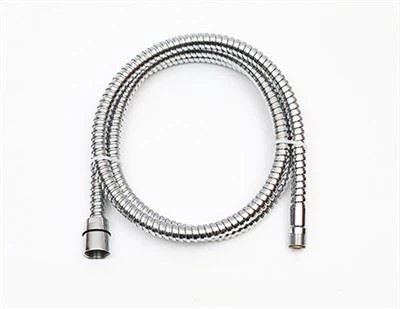
As a supplier of Washing Machine Drain Hoses, I've witnessed firsthand the common issue that many users face: the drain hose getting tangled. A tangled drain hose can lead to a host of problems, from poor drainage to potential damage to the hose itself. In this blog, I'll share some effective strategies to prevent your washing machine drain hose from getting tangled.
Understanding the Causes of Tangling
Before we delve into the prevention methods, it's essential to understand why the drain hose gets tangled in the first place. One of the primary reasons is the movement of the washing machine during the spin cycle. The vibrations can cause the hose to shift and twist, leading to knots and tangles. Additionally, improper installation, such as leaving too much slack in the hose or not securing it properly, can also contribute to the problem.
Another factor is the length of the hose. If the hose is too long, it has more room to move around and become tangled. On the other hand, if it's too short, it may not reach the drain properly, causing it to bend and kink, which can also lead to tangles.
Proper Installation
The first step in preventing a tangled drain hose is to install it correctly. When installing the hose, make sure it is routed in a straight line as much as possible. Avoid sharp bends or kinks, as these can cause the water to flow unevenly and increase the risk of tangling.
It's also important to secure the hose properly. Most washing machines come with a clip or clamp that can be used to attach the hose to the back of the machine. Make sure this clip is tight and secure, so the hose doesn't move around during the wash cycle.
If your washing machine doesn't have a built - in clip, you can use a zip tie or a hose clamp to secure the hose. Just make sure not to overtighten it, as this can damage the hose.
Choosing the Right Hose Length
As mentioned earlier, the length of the hose plays a crucial role in preventing tangles. Measure the distance between your washing machine and the drain carefully before purchasing a hose. You want a hose that is long enough to reach the drain comfortably but not so long that it has excessive slack.
If you're unsure about the right length, it's better to err on the side of caution and choose a slightly shorter hose. You can always use an extension if needed. Keep in mind that using an extension hose should be a last resort, as it can increase the risk of tangling and may also affect the drainage performance.
Using Hose Guides
Hose guides are a great tool for preventing tangles. These are usually made of plastic or metal and can be attached to the wall or the floor near the washing machine. They help to keep the hose in place and prevent it from moving around during the wash cycle.
There are different types of hose guides available on the market. Some are simple clips that hold the hose in a straight line, while others are more complex systems that can be adjusted to fit the specific needs of your washing machine.
Installing a hose guide is relatively easy. Just follow the manufacturer's instructions, and make sure it is securely attached. You can find hose guides at most hardware stores or online.
Regular Maintenance
Regular maintenance is key to preventing a tangled drain hose. Periodically check the hose for any signs of wear and tear, such as cracks or holes. If you notice any damage, replace the hose immediately to avoid further problems.
You should also clean the hose regularly to prevent clogs. Over time, dirt, lint, and other debris can accumulate inside the hose, which can cause the water to flow slowly and increase the risk of tangling. To clean the hose, you can use a mixture of warm water and vinegar. Simply pour the solution into the hose and let it sit for a few hours before flushing it out with clean water.
Using a Coiled Hose
Coiled hoses are designed to be more flexible and less likely to tangle compared to straight hoses. They are usually made of a stretchy material that can expand and contract as needed. This means they can adapt to the movement of the washing machine without getting twisted.
When using a coiled hose, make sure it is properly installed and secured. You may need to adjust the length of the coil to fit your specific needs. Just like with a straight hose, regular maintenance is still important to keep the coiled hose in good condition.
Avoiding Overloading the Washing Machine
Overloading the washing machine can cause excessive vibrations, which can lead to the drain hose getting tangled. Make sure you follow the manufacturer's guidelines regarding the maximum load capacity of your washing machine.
When loading the machine, distribute the clothes evenly to prevent the machine from becoming unbalanced. An unbalanced washing machine can vibrate more vigorously, increasing the risk of the hose moving around and getting tangled.
Keeping the Area Around the Washing Machine Clear
A cluttered area around the washing machine can also contribute to hose tangles. Make sure there are no objects blocking the path of the hose. Keep the area clean and free of debris, so the hose has plenty of space to move without getting caught on anything.
If you have other appliances or items near the washing machine, make sure they are arranged in a way that doesn't interfere with the drain hose. You may also want to consider using a laundry cabinet or a stand to keep the washing machine and its hoses organized.
Conclusion
Preventing your washing machine drain hose from getting tangled is not only about keeping your laundry area tidy but also about ensuring the proper functioning of your washing machine. By following the tips outlined in this blog, such as proper installation, using hose guides, and regular maintenance, you can significantly reduce the risk of tangles.
As a supplier of Washing Machine Drain Hose, I understand the importance of providing high - quality products and helpful advice. If you're in the market for a new drain hose or need assistance with any aspect of your washing machine's drainage system, feel free to reach out. We also offer Washing Machine Inlet Hose to meet all your washing machine hose needs.
If you're interested in purchasing our products or have any questions, don't hesitate to contact us for a procurement discussion. We're here to help you find the best solutions for your laundry needs.


References
- "Washing Machine Maintenance Guide" - General Electric Appliances
- "Tips for Preventing Drain Hose Tangles" - Home Depot Blog
- "How to Choose the Right Washing Machine Hose" - Lowe's Home Improvement