


A burst gas hose is a serious issue that can pose significant risks to both property and personal safety. As a gas hose supplier, I understand the importance of being prepared to handle such a situation effectively. In this blog post, I'll share some practical steps on how to deal with a burst gas hose, along with some insights into the different types of gas hoses we offer.
Step 1: Ensure Safety First
The moment you detect a burst gas hose, your top priority should be safety. Gas leaks can lead to fires, explosions, and health hazards due to the inhalation of toxic gases. Here's what you need to do immediately:
- Evacuate the Area: Clear everyone from the vicinity of the burst hose. This includes not only the room where the hose is located but also adjacent areas to prevent any potential exposure to the gas.
- Avoid Ignition Sources: Do not use any electrical switches, lighters, or other potential ignition sources. Even a small spark can ignite the gas and cause a catastrophic event.
- Open Windows and Doors: If it's safe to do so, open windows and doors to allow the gas to disperse. This can help reduce the concentration of gas in the air and minimize the risk of explosion.
Step 2: Shut Off the Gas Supply
Once you've ensured the safety of everyone in the area, the next step is to shut off the gas supply. This will stop the flow of gas and prevent further leakage. Here's how you can do it:
- Locate the Gas Shut - Off Valve: The gas shut - off valve is usually located near the gas meter or where the gas line enters your property. It may be a lever or a wheel valve.
- Turn Off the Valve: Use a wrench or your hands (if it's a hand - operated valve) to turn the valve clockwise until it is fully closed. This will stop the gas from flowing through the line and to the burst hose.
Step 3: Assess the Damage
After shutting off the gas supply, carefully assess the damage to the gas hose. Look for the exact location of the burst and check if there are any other signs of wear or damage along the length of the hose. Some common causes of burst gas hoses include:
- Age and Wear: Over time, gas hoses can deteriorate due to exposure to heat, chemicals, and normal wear and tear.
- Physical Damage: Hoses can be damaged by sharp objects, improper installation, or excessive bending.
- Incorrect Pressure: If the gas pressure in the line is too high, it can cause the hose to burst.
Step 4: Replace the Gas Hose
Once you've assessed the damage, it's time to replace the burst gas hose. As a gas hose supplier, we offer a wide range of high - quality gas hoses to meet your specific needs. Here are some of the types of gas hoses we provide:
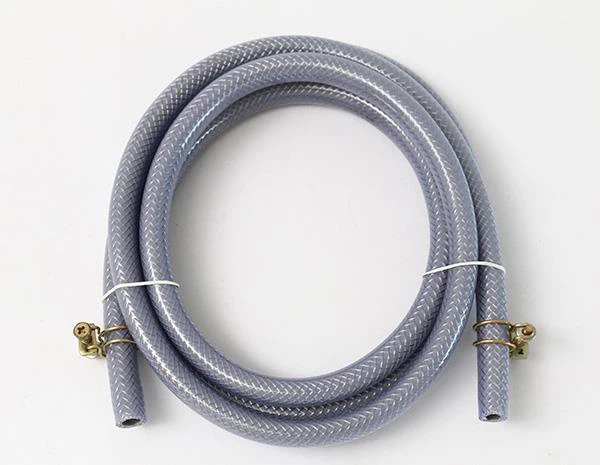

- Gas Connect Hose: These hoses are designed for easy connection and disconnection of gas appliances. They are made from durable materials that can withstand high pressures and temperatures.
- Natural Gas Flex Hose: Ideal for use with natural gas appliances, these flexible hoses allow for easy installation in tight spaces and can accommodate movement without kinking.
- PVC Gas Hose: PVC gas hoses are lightweight, flexible, and resistant to corrosion. They are commonly used in residential and commercial applications.
When replacing the gas hose, make sure to follow these steps:
- Choose the Right Hose: Select a gas hose that is compatible with the type of gas you are using (e.g., natural gas, propane) and the appliance it will be connected to.
- Measure the Length: Measure the length of the old hose accurately to ensure the new hose is the right size.
- Install the Hose Properly: Follow the manufacturer's instructions for installation. Make sure all connections are tight and secure using appropriate fittings and clamps.
Step 5: Test for Leaks
After replacing the gas hose, it's crucial to test for leaks to ensure that the new installation is safe. You can use a simple soap - and - water solution to check for leaks. Here's how:
- Mix the Solution: Mix a small amount of dish soap with water in a spray bottle.
- Apply the Solution: Spray the solution on all the connections and joints of the gas hose.
- Look for Bubbles: If there are any leaks, the soap solution will form bubbles at the leak point. If you detect a leak, immediately turn off the gas supply and re - check the connections.
Step 6: Contact a Professional
If you are unsure about any step of the process or if you encounter any difficulties, it's always a good idea to contact a professional gas fitter. A qualified professional has the knowledge and experience to handle gas hose repairs and installations safely and correctly.
Conclusion
Dealing with a burst gas hose requires quick action and a focus on safety. By following the steps outlined in this blog post, you can minimize the risks associated with a gas leak and ensure that your gas system is back up and running safely. As a gas hose supplier, we are committed to providing high - quality products and reliable advice to our customers. If you are in need of a new gas hose or have any questions about gas hose safety, please don't hesitate to contact us. We look forward to discussing your requirements and helping you find the best solution for your needs.
References
- "Gas Safety Guidelines", National Fire Protection Association
- "Installation and Maintenance of Gas Hoses", International Association of Plumbing and Mechanical Officials


