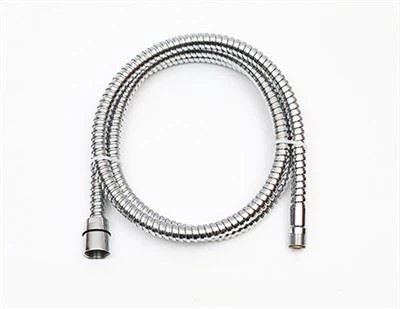
A washing machine is an essential appliance in modern households, and the proper functioning of its drain hose is crucial for its overall performance. As a supplier of Washing Machine Drain Hose, I understand the importance of ensuring that these hoses work efficiently. In this blog, I will share some practical tips on how to check if the washing machine drain hose is working properly.
Visual Inspection
The first step in checking the drain hose is a simple visual inspection. Start by unplugging the washing machine from the power source to ensure your safety. Then, locate the drain hose, which is usually connected to the back of the machine and leads to a drain or a standpipe.
Inspect the hose for any visible signs of damage, such as cracks, holes, or kinks. Cracks and holes can cause water to leak out, leading to water damage in your laundry area. Kinks, on the other hand, can restrict the flow of water, causing drainage problems. If you notice any damage, it is advisable to replace the hose immediately.
Also, check the connections at both ends of the hose. Make sure they are secure and free from any debris or blockages. Loose connections can cause water to leak, while blockages can prevent water from draining properly.
Check for Blockages
Blockages are one of the most common causes of drain hose problems. To check for blockages, you can start by disconnecting the drain hose from the washing machine and the drain or standpipe. Then, use a flashlight to look inside the hose. If you see any debris, such as lint, hair, or small objects, you can try to remove it using a long, flexible brush or a plumbing snake.
Another way to check for blockages is to run water through the hose. You can do this by filling a bucket with water and pouring it slowly into the hose. If the water drains quickly and smoothly, the hose is likely clear. However, if the water drains slowly or not at all, there may be a blockage.
If you are unable to remove the blockage on your own, it may be necessary to call a professional plumber. They have the tools and expertise to clear even the most stubborn blockages.
Test the Drainage
Once you have visually inspected the hose and checked for blockages, it's time to test the drainage. Plug the washing machine back into the power source and start a short wash cycle. As the machine drains, observe the flow of water.
The water should drain quickly and smoothly without any gurgling or slow drainage. If you notice any problems, such as water backing up into the machine or draining slowly, there may be an issue with the drain hose.
You can also check the drain hose for leaks during the test. Look for any signs of water dripping or pooling around the hose connections or along the length of the hose. If you find a leak, you may need to tighten the connections or replace the hose.
Consider the Hose Length and Placement
The length and placement of the drain hose can also affect its performance. The drain hose should be long enough to reach the drain or standpipe without being too long or too short. A hose that is too long can create kinks and bends, which can restrict the flow of water. On the other hand, a hose that is too short may not reach the drain properly, causing water to leak.
In addition, the drain hose should be placed in a way that allows for proper drainage. It should not be bent or twisted, and it should be positioned at a slight downward angle to ensure that water flows freely.


Regular Maintenance
Regular maintenance is key to keeping your washing machine drain hose in good working condition. Here are some maintenance tips:
- Clean the lint filter: The lint filter in your washing machine traps lint and other debris, preventing it from entering the drain hose. Make sure to clean the lint filter after each wash cycle to prevent blockages.
- Run hot water through the hose: Once a month, run hot water through the drain hose to help dissolve any built-up debris. You can do this by filling a bucket with hot water and pouring it slowly into the hose.
- Inspect the hose regularly: Make it a habit to visually inspect the drain hose every few months for any signs of damage or wear.
Conclusion
Checking if the washing machine drain hose is working properly is an important part of maintaining your washing machine. By following the tips outlined in this blog, you can ensure that your drain hose is in good condition and that your washing machine functions efficiently.
As a Washing Machine Drain Hose supplier, we offer a wide range of high-quality drain hoses that are designed to meet the needs of different washing machines. Our hoses are made from durable materials and are built to last. If you are in the market for a new drain hose or have any questions about our products, please don't hesitate to contact us for a purchase negotiation. We look forward to serving you.
References
- "Washing Machine Drain Hose Troubleshooting." Home Appliance Repair Guide.
- "How to Maintain Your Washing Machine Drain Hose." Laundry Care Tips.