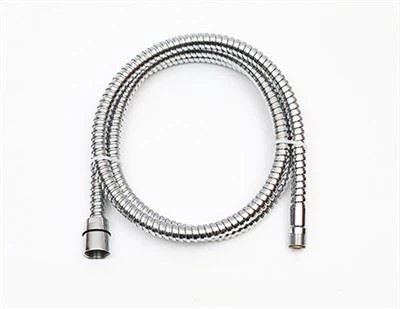
Hey there! As a supplier of pull - out faucet hoses, I get asked a ton of times, "How often should I replace a pull - out faucet hose?" Let's dig into this question and find out!
Understanding the Lifespan of Pull - Out Faucet Hoses
First off, it's important to know that there isn't a one - size - fits - all answer. The lifespan of a pull - out faucet hose can vary depending on several factors.
Material Matters
The material of the hose plays a huge role. For instance, if you've got a Stainless Steel Pull - out Hose, it's generally a tough cookie. Stainless steel is highly resistant to corrosion, which means it can last a long time. Typically, a high - quality stainless steel pull - out hose can serve you well for 8 - 12 years. The reason is that stainless steel can withstand water, chemicals in the water, and general wear and tear without rusting or degrading easily.


On the other hand, Nylon Pull - out Hose is another option. Nylon hoses are lightweight and flexible, making them a popular choice. However, they might not have the same long - term durability as stainless steel. Nylon can break down over time, especially if it's exposed to high temperatures or harsh chemicals. You can expect a nylon pull - out hose to last around 3 - 5 years.
Then there's the 360 Degree Pull - out Hose. This type of hose offers great flexibility, allowing you to reach every corner of your sink. The lifespan of a 360 - degree pull - out hose depends on its material. If it's stainless steel, it'll have a longer life; if nylon, it'll be closer to the 3 - 5 - year range.
Usage Frequency
How often you use the faucet also impacts the hose's lifespan. If you've got a busy household or a commercial kitchen where the faucet is in use all day long, the hose will experience more wear and tear. In a high - usage environment, hoses may need to be replaced more frequently. For example, in a restaurant kitchen, a pull - out faucet hose might need to be replaced every 2 - 3 years, even if it's made of stainless steel.
In a typical single - family home, where the faucet usage is less intense, a well - made hose can last several years longer. So, if you're using the faucet a few times a day for basic tasks like washing dishes or hands, you can expect a longer lifespan from your hose.
Water Quality
The quality of the water running through the hose is another crucial factor. Water with high levels of minerals or chemicals can cause corrosion or build - up inside the hose. Hard water, which contains a lot of calcium and magnesium, can leave deposits in the hose over time. These deposits can restrict the water flow and weaken the hose material.
In areas with soft water, the hoses tend to last longer as there's less risk of scale build - up. If you live in an area with hard water, you might want to consider using a water softener to extend the life of your pull - out faucet hose. Otherwise, you may find yourself replacing the hose every 4 - 6 years instead of the normal 8 - 12 years for stainless steel hoses.
Signs That It's Time to Replace Your Pull - Out Faucet Hose
Now that we've talked about the factors influencing the lifespan, let's look at the signs that tell you it's time to replace your hose.
Leaks
One of the most obvious signs is a leak. If you notice water dripping from the hose, around the connections, or anywhere along its length, it's a clear indication that the hose is failing. Leaks can waste a significant amount of water over time and can also cause damage to your cabinets or countertops if left untreated.
Reduced Water Pressure
Another sign is reduced water pressure. If you turn on the faucet and the water flow is significantly weaker than it used to be, there could be a blockage inside the hose. This blockage could be due to scale build - up, debris, or a kink in the hose. In some cases, the blockage might be fixable, but if the problem persists, it's probably time for a new hose.
Visible Damage
Inspect the hose regularly for visible damage. Look for cracks, splits, or fraying on the outside of the hose. These are signs of wear and tear, and if left unaddressed, they can lead to leaks and further damage. If you see any of these issues, it's best to replace the hose right away.
Benefits of Regularly Replacing Your Pull - Out Faucet Hose
Replacing your pull - out faucet hose at the appropriate time has several benefits.
Water Conservation
A leaky hose can waste a lot of water. By replacing a worn - out hose, you can prevent water from dripping down the drain, literally. This not only helps you save on your water bill but also contributes to water conservation efforts.
Improved Functionality
A new hose will provide better water pressure and a more consistent flow. You'll be able to use your faucet more effectively, whether you're washing dishes, rinsing vegetables, or filling up a pot. This can make your daily kitchen tasks much easier.
Avoiding Costly Repairs
If you ignore the signs of a failing hose and let it continue to deteriorate, it could lead to more serious problems. For example, a major leak could cause water damage to your cabinets, floors, or walls. The cost of repairing this kind of damage can be much higher than simply replacing the hose.
Contact Us for Your Pull - Out Faucet Hose Needs
If you're thinking about replacing your pull - out faucet hose or are just looking for more information, we're here to help. As a leading supplier of pull - out faucet hoses, we offer a wide range of options, including 360 Degree Pull - out Hose, Stainless Steel Pull - out Hose, and Nylon Pull - out Hose.
We understand the importance of quality and durability, and our products are designed to meet the highest standards. Whether you're a homeowner looking to upgrade your kitchen faucet or a commercial establishment in need of reliable hoses, we've got you covered.
Contact us today to discuss your requirements and let's find the perfect pull - out faucet hose for you. We look forward to working with you!
References
- "Home Plumbing Maintenance Guide" - A comprehensive guide on home plumbing systems and maintenance.
- "Water and Its Effects on Plumbing Materials" - Research on how water quality impacts different plumbing materials.
- "Kitchen Faucet Buying Guide" - A resource that provides insights into purchasing and maintaining kitchen faucets and their components.