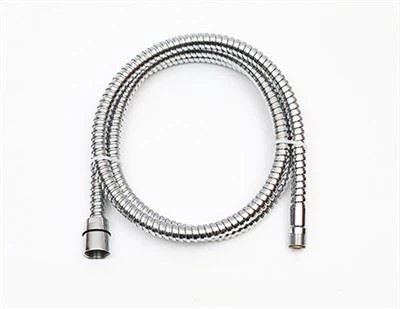
Hey there! As a supplier of PVC gas hoses, I've often gotten questions about how these hoses react to ozone. Ozone is a pretty interesting gas. It's a form of oxygen with three atoms instead of the usual two, and it can have some serious effects on materials, including our PVC gas hoses.
First off, let's talk about where ozone comes from. Ozone can be found in the upper atmosphere, where it forms a protective layer that shields us from the sun's harmful UV rays. But it can also be created at ground - level through various human activities. Things like industrial processes, vehicle emissions, and even some types of electrical equipment can generate ozone. In urban areas, especially on hot and sunny days, ozone levels can spike.
So, how does ozone interact with PVC gas hoses? Well, PVC, or polyvinyl chloride, is a widely used plastic in the manufacturing of gas hoses because it's relatively cheap, flexible, and has good chemical resistance. However, ozone is a powerful oxidizing agent. When PVC gas hoses are exposed to ozone, a chemical reaction called oxidation occurs.
This oxidation process can cause some significant changes to the PVC material. One of the most noticeable effects is cracking. Over time, the ozone attacks the polymer chains in the PVC. These chains start to break down, and as a result, small cracks begin to form on the surface of the hose. At first, these cracks might be really tiny, almost invisible to the naked eye. But as the exposure to ozone continues, the cracks can grow larger and deeper.
Another issue is that the mechanical properties of the PVC gas hose can deteriorate. The hose becomes less flexible and more brittle. This means it's more likely to break or rupture when it's bent or moved. If you have a PVC gas hose that's been exposed to high levels of ozone for a long time, you might notice that it's much stiffer than it used to be, and it might even snap if you try to bend it too far.
The degradation caused by ozone can also affect the gas - tightness of the hose. Cracks and a loss of flexibility can lead to leaks. And when you're dealing with gas hoses, leaks are a huge safety concern. Gas leaks can lead to explosions, fires, or the release of harmful gases into the environment.


Now, you might be wondering if there are ways to protect PVC gas hoses from ozone. Well, there are a few strategies. One option is to use additives in the PVC formulation. Some additives can act as antioxidants, which means they can slow down the oxidation process caused by ozone. These additives react with the ozone before it has a chance to attack the PVC polymer chains.
Another approach is to store the hoses properly. Keeping them out of direct sunlight and in a cool, dry place can reduce their exposure to ozone. If possible, you can also use covers or sleeves to shield the hoses from the environment.
As a PVC gas hose supplier, I understand the importance of providing high - quality products that can withstand different environmental conditions. That's why we work hard to develop hoses that have good ozone resistance. Our research and development team is constantly looking for new ways to improve the formulation of our PVC gas hoses.
If you're in the market for a gas hose, we have a great selection. We offer Natural Gas Flex Hose, which is perfect for connecting natural gas appliances. These hoses are designed to be flexible and durable, and we take steps to ensure they have good ozone resistance.
We also have Gas Connect Hose. These hoses are used for various gas - connection applications, and they're made with high - quality PVC materials that are engineered to perform well even in challenging environments.
Of course, our main product is the PVC Gas Hose. It's a versatile option that can be used in many different settings, from residential to industrial. We make sure that our PVC gas hoses meet all the necessary safety standards and are built to last.
If you're interested in learning more about our PVC gas hoses or have any questions about how they react to ozone, don't hesitate to reach out. We're here to help you make the right choice for your gas - hose needs. Whether you're a contractor, a homeowner, or an industrial user, we have the products and the expertise to meet your requirements.
In conclusion, ozone can have a significant impact on PVC gas hoses. But with the right precautions and high - quality products, you can minimize the risks. We're committed to providing you with hoses that are reliable, safe, and ozone - resistant. So, if you're thinking about purchasing a gas hose, give us a thought. We'd love to work with you and ensure that you get the best product for your specific situation.
If you're ready to start a conversation about your gas - hose requirements, just drop us a line. We're looking forward to hearing from you and helping you find the perfect PVC gas hose for your needs.
References
- Smith, J. (2020). "The Effects of Ozone on Plastic Materials." Journal of Polymer Science.
- Brown, A. (2019). "Ozone Degradation in PVC Products." Industrial Plastics Review.