Hey there, folks! I'm a supplier of gas hoses, and I've seen firsthand how important it is for these hoses to play nice with different pipe materials. In this blog post, I'm gonna break down how a gas hose interacts with various pipe materials and why it matters.
Understanding Gas Hoses
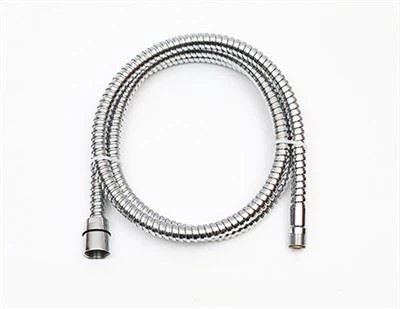
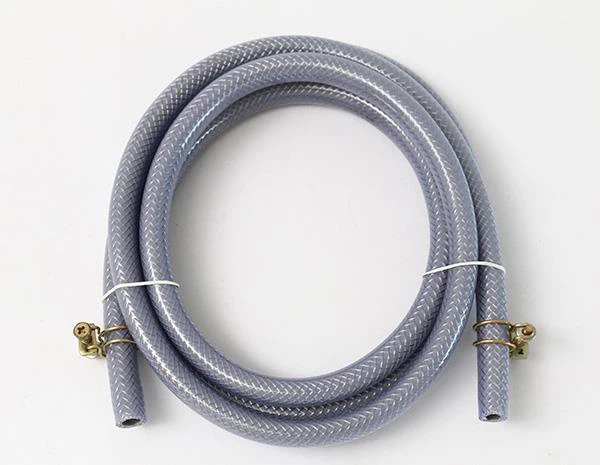
Before we dive into the interaction with different pipe materials, let's quickly go over what a gas hose is. Gas hoses are flexible tubes that are used to transfer gas from a source, like a gas tank or a pipeline, to a device that uses the gas, such as a stove or a heater. They come in different types, like the Gas Connect Hose, Natural Gas Flex Hose, and PVC Gas Hose. Each type has its own set of features and is designed for specific applications.

Interaction with Steel Pipes
Steel pipes are one of the most common types of pipes used in gas systems. They're strong, durable, and can handle high pressure. When a gas hose connects to a steel pipe, the first thing to consider is the pressure rating. The gas hose needs to have a pressure rating that's equal to or higher than the pressure in the steel pipe. Otherwise, there's a risk of the hose bursting, which is a major safety hazard.
Another factor is corrosion. Steel pipes can rust over time, especially if they're exposed to moisture. The gas hose material should be resistant to any corrosive by - products that might come from the steel pipe. For example, some hoses are lined with special materials that prevent the gas from reacting with the rust and also protect the hose itself from damage.
The connection between the gas hose and the steel pipe is also crucial. A proper seal is needed to prevent gas leaks. Most gas hoses come with fittings that are designed to connect securely to steel pipes. These fittings can be threaded, clamped, or use a combination of both methods to ensure a tight connection.
Interaction with Copper Pipes
Copper pipes are popular because they're easy to work with, have good heat conductivity, and are resistant to corrosion. When a gas hose is connected to a copper pipe, the main concern is compatibility. The materials in the gas hose should not react with the copper. Some chemicals in the gas or in the hose material can cause a chemical reaction with copper, which can lead to pitting and weakening of the pipe over time.
The flexibility of the gas hose is also an advantage when connecting to copper pipes. Copper pipes can be bent into different shapes, and a flexible gas hose can easily follow these bends without causing any stress on the connection. However, it's still important to make sure the connection is tight. Gas hoses usually have fittings that are designed to fit snugly onto copper pipes, and sometimes a sealant is used to further prevent leaks.
Interaction with PVC Pipes
PVC pipes are lightweight, inexpensive, and easy to install. When it comes to using a PVC Gas Hose with PVC pipes, the compatibility is generally good because they're made of similar materials. But there are still some things to watch out for.
Temperature is a big factor. PVC can become brittle in cold temperatures and may soften in high temperatures. The gas hose and the pipe need to be able to withstand the temperature range in which they'll be operating. If the temperature is too extreme, the PVC material can crack or break, leading to gas leaks.
The connection between the PVC gas hose and the PVC pipe also needs to be carefully made. Special PVC glue or solvent welds are often used to create a strong and leak - proof connection. However, it's important to follow the manufacturer's instructions when using these adhesives to ensure a proper bond.
Interaction with Galvanized Pipes
Galvanized pipes have a zinc coating that helps protect them from corrosion. When a gas hose is connected to a galvanized pipe, the zinc coating can sometimes cause issues. The gas hose material should be resistant to any chemical reactions with the zinc. Over time, the zinc coating can break down, and the by - products of this breakdown could potentially damage the gas hose.
The pressure rating and the connection are still important factors, just like with other pipe materials. A good quality gas hose will have a pressure rating that can handle the pressure in the galvanized pipe, and the connection should be secure to prevent gas leaks.
Why It All Matters
The interaction between a gas hose and different pipe materials is crucial for safety. Gas leaks can lead to fires, explosions, and health problems. By making sure the gas hose is compatible with the pipe material, we can reduce the risk of these dangerous situations.
It also affects the performance and lifespan of the gas system. A well - matched gas hose and pipe combination will work more efficiently and last longer. For example, if a gas hose is constantly being damaged by a corrosive pipe material, it will need to be replaced more often, which can be costly and inconvenient.
Conclusion
So, there you have it! As a gas hose supplier, I know how important it is for these hoses to interact well with different pipe materials. Whether it's steel, copper, PVC, or galvanized pipes, each has its own unique requirements when it comes to connecting with a gas hose.
If you're in the market for a gas hose and want to make sure it's the right fit for your pipe system, don't hesitate to reach out. We can help you choose the best gas hose for your specific needs, whether it's the Gas Connect Hose, Natural Gas Flex Hose, or PVC Gas Hose. Let's work together to create a safe and efficient gas system!
References
- "Handbook of Gas Pipeline Systems" by John A. Johnson
- "Gas Safety and Installation Guidelines" by National Gas Safety Council