Hey there! As a pull hose supplier, I've had my fair share of folks asking me how to connect a pull hose to a water source. It might seem a bit tricky at first, but trust me, it's not as hard as it looks. In this blog, I'll walk you through the whole process step by step.
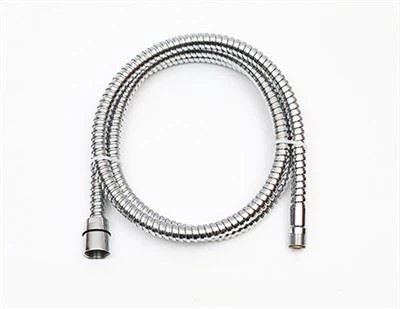
First things first, let's talk about the different types of pull hoses we offer. We've got some great options like the 360 Degree Pull-out Hose, which gives you that awesome 360-degree movement, making it super convenient to use. Then there's the Stainless Steel Pull-out Hose, known for its durability and resistance to rust. And if you're looking for something lightweight, our Nylon Pull-out Hose is a great choice.
Now, before you start connecting the pull hose, you need to gather a few tools. You'll typically need an adjustable wrench, some Teflon tape, and maybe a pair of pliers. These tools will make the job a whole lot easier.
Let's start with shutting off the water supply. This is super important. You don't want water gushing everywhere while you're trying to connect the hose. Locate the shut-off valve, which is usually under the sink or near the water heater. Turn it clockwise until it's fully closed. You can test if the water is off by turning on the faucet. If no water comes out, you're good to go.
Next, take a look at the water source connection point. It could be a faucet, a showerhead, or a water outlet. Make sure it's clean and free of any debris or old gaskets. If there are any old gaskets, use your pliers to carefully remove them.
Now, it's time to prep the pull hose. Check the ends of the hose. One end will usually have a threaded connector. Take your Teflon tape and wrap it around the threads in a clockwise direction. Make sure to cover the threads evenly, about 3 to 4 times. The Teflon tape helps create a watertight seal and prevents leaks.
Once the Teflon tape is on, it's time to connect the hose to the water source. Align the threaded end of the hose with the connection point on the water source. Start turning the hose clockwise by hand. You'll feel it start to thread in. Once it's hand-tight, grab your adjustable wrench. Use the wrench to give it a little extra turn, but be careful not to over-tighten. Over-tightening can damage the threads or the connection point.
If you're connecting the hose to a showerhead, the process is a bit different. Most showerheads have a quick-connect system. You'll usually just need to align the hose with the showerhead connector and push it in until you hear a click. Some might require you to twist it slightly to lock it in place.
After you've connected the hose, it's time to turn the water back on. Slowly turn the shut-off valve counterclockwise to open it. Keep an eye on the connection point for any leaks. If you see a small drip, you might need to tighten the connection a bit more with your wrench. But if there's a major leak, you might need to disconnect the hose, re-wrap the Teflon tape, and try again.
Once you're sure there are no leaks, test the pull hose. Pull it out and see how it moves. Make sure it extends and retracts smoothly. If you're using it in the kitchen, turn on the faucet and see if the water flow is good. If it's a shower hose, turn on the shower and check the water pressure.


Now, I know some of you might be thinking about the quality of the pull hose. That's why we take pride in the products we offer. Our hoses are made from high-quality materials, and we test them thoroughly before they reach you. Whether you need a hose for your kitchen, bathroom, or any other water application, we've got you covered.
If you're in the market for a pull hose, don't hesitate to reach out. We're here to help you find the perfect hose for your needs. Whether you need advice on which type of hose to choose or have questions about the installation process, our team of experts is just a message away. We can offer great deals and ensure you get a top-notch product.
In conclusion, connecting a pull hose to a water source isn't that difficult. With the right tools and a bit of know-how, you can do it yourself. And if you ever run into any problems, just remember, we're here to support you. So, if you're interested in purchasing a pull hose, get in touch with us for a great deal and excellent customer service.
References
General plumbing knowledge and experience from working as a pull hose supplier.