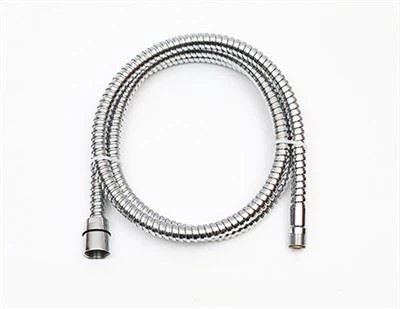
As a supplier of Large Diameter Shower Hoses, I've encountered numerous issues related to hose leakage over the years. Leaking shower hoses can be a nuisance, causing water wastage, potential water damage to your bathroom, and an overall unpleasant showering experience. In this blog post, I'll share some practical steps on how to troubleshoot a leaking large diameter shower hose.
Step 1: Identify the Leak Location
The first step in troubleshooting a leaking shower hose is to pinpoint the exact location of the leak. This might seem obvious, but it's crucial as it will guide you on the next course of action. Check the connections at both ends of the hose – where it attaches to the showerhead and the water supply valve. Look for signs of water dripping or spraying from these joints. Sometimes, the leak might be along the length of the hose itself. Inspect the entire hose carefully, paying close attention to any visible cracks, holes, or weak spots.
Step 2: Check the Connections
Loose connections are one of the most common causes of shower hose leaks. At the showerhead end, gently try to tighten the connection by hand. If it still feels loose, you can use a pair of pliers to give it an extra turn. However, be careful not to overtighten, as this can damage the threads.
On the water supply valve end, follow the same process. Make sure the valve is fully turned on and that there are no kinks or bends in the hose near the connection. A kinked hose can cause uneven water pressure and lead to leaks. If the connection seems fine but there's still a leak, it could be due to a worn-out washer. You can replace the washer easily. Simply remove the connector, take out the old washer, and insert a new one of the same size.
Step 3: Examine the Hose for Damage
If the connections are tight and there are no issues with the washers, the next step is to inspect the hose for damage. A large diameter shower hose is designed to withstand high water pressure, but over time, it can develop cracks or holes. Look for any visible signs of wear and tear, such as frayed edges or bulges.
If you find a small crack, you can try using a waterproof tape to seal it temporarily. Wrap the tape tightly around the crack, making sure to cover it completely. However, this is only a short - term solution. For a more permanent fix, you'll need to replace the hose.
Some of our Large Diameter Shower Hoses are made with high - quality materials that are more resistant to damage. They are designed to last longer and provide a reliable water flow.
Step 4: Check the Water Pressure
High water pressure can put a lot of stress on the shower hose and cause leaks. You can use a water pressure gauge to measure the pressure in your home. The ideal water pressure for a shower hose is between 40 - 80 psi (pounds per square inch). If the pressure is too high, you can install a pressure regulator on the water supply valve. This will help to reduce the pressure and prevent damage to the hose.
Step 5: Consider the Age of the Hose
Like any other household item, shower hoses have a limited lifespan. If your hose is several years old, it might be time to replace it. Over time, the materials in the hose can break down, making it more prone to leaks.
Our Anti - twist Extensible Shower Hose is a great option for a replacement. It not only offers anti - twist features but also has a durable construction that can withstand the test of time.
Step 6: Evaluate the Quality of the Hose
The quality of the shower hose can also play a significant role in preventing leaks. A low - quality hose might be made with inferior materials that are more likely to break or develop leaks. When choosing a large diameter shower hose, look for hoses that are made with high - grade materials such as stainless steel or reinforced rubber.
Our Reinforced Shower Hose is built with reinforced layers that provide extra strength and durability. It can handle high water pressure and is less likely to develop leaks.
Conclusion
Troubleshooting a leaking large diameter shower hose involves a systematic approach. By following these steps, you can identify and fix the problem quickly. Remember, prevention is always better than cure. Regularly inspect your shower hose for any signs of damage and replace it when necessary.
If you're in the market for a high - quality large diameter shower hose, we're here to help. Our range of shower hoses is designed to meet the highest standards of quality and performance. Whether you need a hose for a residential or commercial application, we have the right product for you. Contact us to start a procurement discussion and find the perfect shower hose for your needs.


References
- "Home Plumbing Repair Guide" by DIY Home Improvement Magazine
- "Shower Hose Installation and Maintenance" by Plumbing World Journal