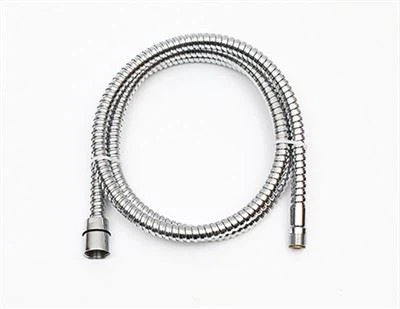
Hey there! As a supplier of pull - out faucet hoses, I've heard a lot of questions from customers about how to secure these hoses to prevent them from falling. It's a common issue that can be a real headache, but don't worry! I'm here to share some tips and tricks that I've picked up over the years.
First things first, let's talk about the types of pull - out hoses we offer. We've got Nylon Pull-out Hose, which is lightweight and flexible. It's great for those who need a hose that can move around easily without being too heavy. Then, there's the Stainless Steel Pull-out Hose. This one is super durable. Stainless steel can withstand a lot of wear and tear, so it's perfect for high - traffic areas or if you're a bit rough with your hose. And for those who need maximum flexibility, our 360 Degree Pull-out Hose is the way to go. It can rotate a full 360 degrees, giving you all the freedom you need.
Now, back to the main question: how to keep your pull - out faucet hose from falling?
1. Check the Connection at the Faucet
The first place to look is the connection at the faucet itself. Most hoses are attached to the faucet with a locking nut or a quick - connect fitting. Over time, these can loosen up due to the constant movement of the hose.
If you have a locking nut, you can use a pair of pliers or a wrench to tighten it. Just make sure you don't over - tighten it, as that could damage the threads. If it's a quick - connect fitting, check to see if it's properly seated. Sometimes, it can pop out a little bit, and all it takes is a gentle push to get it back in place.
2. Use Hose Clamps
Hose clamps are a simple and effective way to secure your hose. You can find these at any hardware store. They come in different sizes, so make sure you choose one that fits your hose diameter.
Wrap the hose clamp around the hose where it connects to the faucet or any other part of the plumbing. Then, use a screwdriver to tighten the clamp. This will create a firm grip and prevent the hose from slipping out.
3. Install a Hose Holder
A hose holder is a great addition to your sink area. It can keep the hose organized and in place when you're not using it. There are different types of hose holders available. Some are designed to be mounted on the side of the sink, while others can be attached to the wall.
Choose a hose holder that matches the style of your faucet and sink. Make sure it's installed securely so that it can hold the weight of the hose without falling off.
4. Inspect the Hose for Damage
Sometimes, the reason a hose falls is because it's damaged. Check the hose for any cracks, holes, or weak spots. If you find any damage, it's best to replace the hose as soon as possible. A damaged hose is not only more likely to fall off, but it can also cause leaks, which can lead to water damage in your home.
5. Consider the Weight of the Hose
If your hose is too heavy, it can put extra strain on the connection points, making it more likely to fall. When choosing a hose, consider the weight. Our nylon hoses are generally lighter than the stainless steel ones, so if weight is a concern, the nylon option might be better for you.
6. Adjust the Tension
Some pull - out hoses have an adjustable tension feature. This allows you to control how easily the hose retracts. If the tension is too loose, the hose might not stay in place when you pull it out. If it's too tight, it can be difficult to pull the hose out at all.
Find the right balance by adjusting the tension according to your needs. Usually, there's a small screw or knob on the hose or the faucet that you can turn to make the adjustment.
7. Clean the Connection Points
Over time, dirt, debris, and mineral deposits can build up on the connection points between the hose and the faucet or plumbing. This can prevent a proper seal and cause the hose to come loose.
Use a mild cleaning solution and a soft brush to clean the connection points. Make sure to dry them thoroughly before re - attaching the hose. This can improve the connection and keep the hose from falling.
In addition to these tips, it's important to use high - quality hoses in the first place. Our hoses are made from top - notch materials and go through strict quality control checks to ensure they're reliable.
Whether you're a homeowner looking to upgrade your kitchen or bathroom faucet, or a contractor working on a big project, we've got the hoses you need. And with these tips on how to secure them, you can enjoy a hassle - free experience.
If you're interested in purchasing our pull - out faucet hoses, don't hesitate to reach out. We're always ready to help you find the right product for your needs. We can also provide more detailed information about installation, maintenance, and any other questions you might have.
References


- Plumbing Handbook (Generic, for general plumbing knowledge)
- Manufacturer's Guides for Pull - Out Faucet Hoses