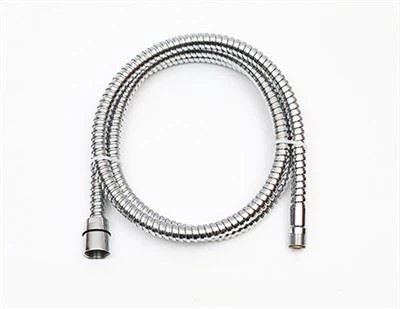
Measuring a washing machine hose might seem like a straightforward task, but it's crucial to get it right to ensure a proper fit and optimal performance of your washing machine. As a washing machine hose supplier, I've encountered various situations where incorrect measurements have led to leaks, inefficiencies, and even damage to the appliance. In this blog post, I'll guide you through the process of measuring a washing machine hose accurately, whether it's a Washing Machine Drain Hose or a Washing Machine Inlet Hose.
Why Accurate Measurements Matter
Before we dive into the measurement process, let's understand why accurate measurements are so important. A washing machine hose that is too short may not reach the necessary connections, leading to improper drainage or water supply. On the other hand, a hose that is too long can create kinks and bends, which can restrict the flow of water and increase the risk of leaks. Additionally, an ill-fitting hose can put unnecessary stress on the washing machine and its components, potentially leading to premature wear and tear.
Tools You'll Need
To measure a washing machine hose accurately, you'll need a few basic tools:
- Tape Measure: A flexible tape measure is ideal for measuring the length and diameter of the hose.
- Calipers: If you need to measure the inner diameter of the hose precisely, calipers can be very useful.
- Pen and Paper: To record your measurements and any other relevant information.
Measuring the Length of a Washing Machine Hose
The length of a washing machine hose is one of the most important measurements to take. Here's how you can measure the length of both the drain hose and the inlet hose:
Measuring the Drain Hose
- Locate the Drain Connection: The drain hose is typically connected to the back of the washing machine and drains water into a standpipe or a drainpipe. Find the point where the hose is connected to the washing machine and the point where it drains into the plumbing system.
- Measure the Distance: Use a tape measure to measure the straight-line distance between the two connection points. Make sure to measure along the path that the hose will take, accounting for any bends or curves.
- Add Some Extra Length: It's a good idea to add a few extra inches to the measured length to allow for flexibility and to ensure that the hose can be easily connected and disconnected. A general rule of thumb is to add 6 to 12 inches to the measured length.
Measuring the Inlet Hose
- Locate the Water Supply Connections: The inlet hoses are connected to the back of the washing machine and supply hot and cold water to the appliance. Find the points where the hoses are connected to the washing machine and the water supply valves.
- Measure the Distance: Use a tape measure to measure the straight-line distance between the two connection points. Again, make sure to measure along the path that the hose will take, accounting for any bends or curves.
- Add Some Extra Length: Similar to the drain hose, it's a good idea to add a few extra inches to the measured length of the inlet hose. This will allow for easy installation and adjustment of the hose.
Measuring the Diameter of a Washing Machine Hose
In addition to the length, you also need to measure the diameter of the washing machine hose. The diameter of the hose determines the flow rate of water and the compatibility with the washing machine and the plumbing system. Here's how you can measure the diameter of the hose:
Measuring the Outer Diameter
- Locate a Straight Section of the Hose: Find a straight section of the hose where you can measure the outer diameter accurately.
- Use a Tape Measure or Calipers: Wrap a tape measure around the outside of the hose and measure the circumference. Then, divide the circumference by π (pi) to get the diameter. If you have calipers, you can simply measure the outer diameter directly.
Measuring the Inner Diameter
- Insert a Caliper into the Hose: If you need to measure the inner diameter of the hose precisely, insert a caliper into the hose and measure the distance between the opposite sides of the inner wall.
- Record the Measurement: Make sure to record the inner diameter measurement accurately, as it is important for ensuring a proper fit with the washing machine and the plumbing system.
Measuring the Fittings
In addition to the length and diameter of the hose, you also need to measure the fittings at the ends of the hose. The fittings are the parts that connect the hose to the washing machine and the plumbing system. Here's how you can measure the fittings:


Measuring the Thread Size
- Locate the Threaded Section of the Fitting: Find the threaded section of the fitting where it connects to the washing machine or the plumbing system.
- Use a Thread Gauge or a Caliper: If you have a thread gauge, you can use it to determine the thread size of the fitting. If you don't have a thread gauge, you can use a caliper to measure the outer diameter of the threaded section and then refer to a thread size chart to determine the appropriate thread size.
Measuring the Fitting Type
- Identify the Fitting Type: There are several different types of fittings used for washing machine hoses, including male and female fittings, compression fittings, and quick-connect fittings. Identify the type of fitting used on your hose and the corresponding connection points on the washing machine and the plumbing system.
- Measure the Dimensions: Use a tape measure or calipers to measure the dimensions of the fitting, such as the length, width, and height. This information will be useful when selecting a replacement hose or fitting.
Common Mistakes to Avoid
When measuring a washing machine hose, there are several common mistakes that you should avoid:
- Not Measuring Twice: It's always a good idea to measure the hose at least twice to ensure accuracy. A small measurement error can lead to a significant problem with the fit and performance of the hose.
- Ignoring the Bend Radius: When measuring the length of the hose, make sure to account for the bend radius. A hose that is bent too sharply can restrict the flow of water and increase the risk of leaks.
- Using the Wrong Tools: Using the wrong tools can lead to inaccurate measurements. Make sure to use a flexible tape measure and calipers for accurate measurements.
- Not Considering the Compatibility: When selecting a replacement hose, make sure to consider the compatibility with the washing machine and the plumbing system. Check the dimensions, thread size, and fitting type to ensure a proper fit.
Conclusion
Measuring a washing machine hose accurately is essential for ensuring a proper fit and optimal performance of your washing machine. By following the steps outlined in this blog post, you can measure the length, diameter, and fittings of the hose accurately and select the right replacement hose for your needs. As a washing machine hose supplier, I'm here to help you find the perfect hose for your washing machine. If you have any questions or need assistance with measuring or selecting a hose, please don't hesitate to contact me. I look forward to helping you with your washing machine hose needs.
References
- "Washing Machine Hose Installation Guide." Home Depot.
- "How to Measure a Washing Machine Hose." Lowe's.
- "Tips for Measuring and Replacing Washing Machine Hoses." Consumer Reports.