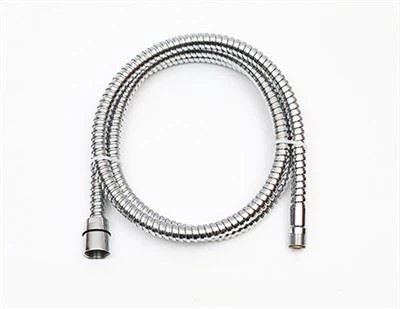
Hey there! As a supplier of Pull Out Faucet Hoses, I often get asked about how to lubricate these hoses. It's an important part of maintenance that can extend the life of your faucet hose and keep it working smoothly. In this blog, I'll share some tips on how to lubricate a pull - out faucet hose like a pro.
First off, let's talk about why lubrication is so crucial. Over time, the moving parts of a pull - out faucet hose can experience friction. This friction can cause wear and tear, making the hose harder to pull out and retract. It might even lead to leaks or breakages in the long run. By lubricating the hose regularly, you reduce this friction, ensuring that your faucet hose operates efficiently and lasts longer.
Now, before you start lubricating, you need to gather the right tools and materials. You'll need a suitable lubricant. Silicone - based lubricants are a great choice for pull - out faucet hoses. They're water - resistant, which is important since the hose is constantly exposed to water. You can find silicone lubricants at most hardware stores. You'll also need a clean cloth or a small brush to apply the lubricant.


The first step in the lubrication process is to turn off the water supply to the faucet. This is a safety measure to prevent any water from spraying out while you're working on the hose. Locate the shut - off valves under the sink and turn them clockwise until they're fully closed. Once you've done that, gently pull out the faucet hose all the way. This will give you full access to the entire length of the hose and its moving parts.
Next, take your clean cloth or brush and apply a small amount of the silicone lubricant. Start by applying the lubricant to the outer surface of the hose. Make sure to cover the entire length, paying special attention to areas where the hose bends or rubs against other parts of the faucet. Use the cloth or brush to spread the lubricant evenly. You don't need to use a lot; a thin layer is sufficient.
Now, let's focus on the connection points. The areas where the hose attaches to the faucet and the water supply are critical. These connections can also experience friction, which might cause leaks or make it difficult to remove the hose if you ever need to. Apply a small amount of lubricant to the threads of the connections. Be careful not to get any lubricant inside the water passageways, as this could contaminate the water.
After you've lubricated the outer surface and the connection points, it's time to work on the inner parts of the hose. If your hose has a retractable mechanism, like a spring or a pulley system, you'll want to lubricate these components as well. Some hoses have a protective cover that you can remove to access the inner workings. If yours does, carefully remove the cover and apply a small amount of lubricant to the moving parts. Then, put the cover back on.
Once you've finished applying the lubricant, slowly retract the hose back into its housing. This will help distribute the lubricant evenly and ensure that all the moving parts are coated. As you retract the hose, you should notice that it moves more smoothly than before. If it still feels a bit stiff, you might need to apply a little more lubricant in the areas where the resistance is felt.
After you're satisfied with the lubrication, turn the water supply back on. Open the shut - off valves under the sink by turning them counterclockwise. Check for any leaks around the connections. If you see any water dripping, you might need to tighten the connections a bit more.
Now, let's talk about the different types of pull - out faucet hoses we offer as a supplier. We have a wide range of options to suit different needs and preferences. For those looking for durability and a sleek look, our Stainless Steel Pull-out Hose is a great choice. Stainless steel is resistant to corrosion and can withstand the rigors of daily use.
If you need a hose that offers maximum flexibility, our 360 Degree Pull-out Hose is the way to go. This hose can rotate a full 360 degrees, allowing you to reach every corner of your sink with ease.
And for a more budget - friendly option without compromising on quality, our Nylon Pull-out Hose is a popular pick. Nylon is lightweight and still provides good resistance to wear and tear.
Regular lubrication of your pull - out faucet hose is a simple yet effective way to keep it in top condition. It doesn't take much time or effort, but the benefits are significant. By following these steps, you can ensure that your faucet hose operates smoothly for years to come.
If you're in the market for a new pull - out faucet hose or have any questions about our products, we'd love to hear from you. Whether you're a homeowner looking to upgrade your kitchen or bathroom, or a contractor working on a large project, we have the right hose for you. Contact us to start a discussion about your specific needs and get a quote. We're here to help you find the perfect solution for your plumbing requirements.
References
- "Home Plumbing Maintenance Guide" - A handbook available at local hardware stores.
- Online forums and communities dedicated to home improvement and plumbing, where users share their experiences and tips on faucet hose maintenance.