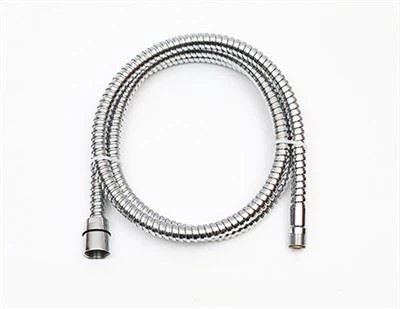
As a supplier of Natural Gas Flex Hoses, I often encounter various issues that customers face, and one of the most common problems during the cold months is a frozen natural gas flex hose. In this blog, I'll share my insights on how to deal with this situation effectively.
Understanding the Causes of a Frozen Natural Gas Flex Hose
Before we jump into the solutions, it's essential to understand why a natural gas flex hose might freeze. The primary reason is the presence of moisture in the gas or the hose itself. When the temperature drops below freezing point, this moisture turns into ice, blocking the flow of gas through the hose.
Another factor could be improper insulation. If the hose is exposed to extreme cold without adequate protection, it becomes more susceptible to freezing. Additionally, a long - term build - up of condensation inside the hose can also contribute to the freezing problem.
Signs of a Frozen Natural Gas Flex Hose
It's crucial to recognize the signs of a frozen natural gas flex hose early. The most obvious sign is a reduced or complete lack of gas flow. You may notice that your gas appliances, such as a stove or a heater, are not functioning properly. They might not ignite, or they may produce a weak flame.
Another sign is the presence of frost or ice on the outside of the hose. If you see a white, powdery substance on the surface of the Natural Gas Flex Hose, it's a clear indication that the hose is frozen.
Precautions to Prevent Freezing
Prevention is always better than cure. Here are some steps you can take to prevent your natural gas flex hose from freezing:
- Proper Insulation: Insulate the hose using insulation materials specifically designed for pipes and hoses. This will help to maintain a stable temperature inside the hose and prevent the moisture from freezing.
- Keep the Area Dry: Ensure that the area where the hose is installed is dry. Avoid exposing the hose to water or high humidity. If possible, install the hose in a sheltered location.
- Regular Maintenance: Regularly check the hose for any signs of damage or wear. Replace any worn - out parts promptly to prevent moisture from entering the hose.
Dealing with a Frozen Natural Gas Flex Hose
If you find that your natural gas flex hose is frozen, here are the steps you can take to thaw it safely:
- Turn off the Gas Supply: Before attempting to thaw the hose, make sure to turn off the gas supply at the source. This is a crucial safety measure to prevent any gas leaks or potential explosions.
- Use a Gentle Heat Source: You can use a hair dryer on a low - heat setting to gently warm the frozen section of the hose. Keep the hair dryer at a safe distance from the hose to avoid overheating or damaging it. Move the hair dryer back and forth along the length of the frozen area until the ice has melted.
- Warm Towel or Heating Pad: Another option is to wrap a warm towel around the frozen section of the hose or use a heating pad. Make sure the towel or heating pad is not too hot, as excessive heat can damage the hose. Leave the warm towel or heating pad in place until the ice has melted.
- Check for Damage: Once the hose has thawed, carefully inspect it for any signs of damage. Look for cracks, holes, or other signs of wear. If you notice any damage, do not use the hose and replace it immediately.
When to Seek Professional Help
In some cases, dealing with a frozen natural gas flex hose can be dangerous, and it's best to seek professional help. If you are unsure about how to thaw the hose safely, or if you suspect that there is a gas leak, contact a qualified gas technician. They have the necessary tools and expertise to handle the situation safely.
Our Product Range and Solutions
As a supplier of Natural Gas Flex Hose, we offer a wide range of high - quality products designed to meet your needs. Our hoses are made from durable materials that can withstand extreme temperatures and harsh conditions.
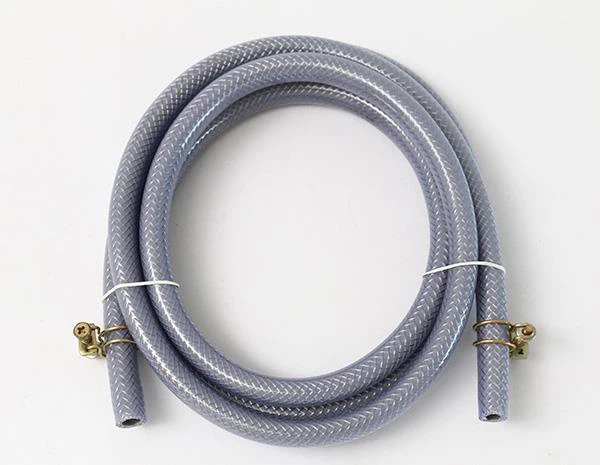
We also offer Gas Connect Hose and PVC Gas Hose options, which are suitable for different applications. Our team of experts can help you choose the right hose for your specific requirements and provide you with valuable advice on installation and maintenance.
Conclusion
Dealing with a frozen natural gas flex hose can be a challenging but manageable problem. By understanding the causes, taking preventive measures, and knowing how to thaw the hose safely, you can ensure the proper functioning of your gas appliances.
If you are in the market for a reliable natural gas flex hose or need assistance with any gas - related issues, we are here to help. Contact us today to discuss your requirements and explore our product range. We look forward to working with you to provide the best solutions for your gas needs.

References
- "Gas Piping Handbook" by the American Gas Association
- "Residential and Commercial Gas Piping" by the National Fire Protection Association