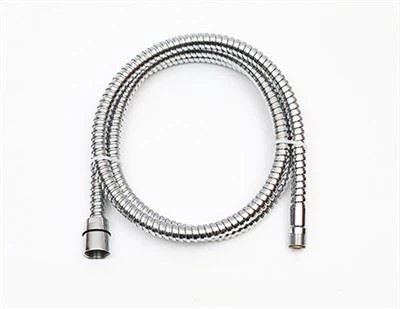
Hey there! I'm a supplier of washing machine hoses, and I've seen my fair share of dirty and clogged hoses over the years. Cleaning the inside of a washing machine hose is crucial to keep your washing machine running smoothly and prevent any potential issues. In this blog, I'll share with you how I clean the inside of a washing machine hose.
Why Clean Your Washing Machine Hose?
First off, let's talk about why it's so important to clean your washing machine hose. Over time, dirt, lint, soap scum, and other debris can build up inside the hose. This buildup can lead to several problems. For one, it can restrict the flow of water, making your washing machine less efficient. It might take longer to fill up or drain, and your clothes might not get as clean.
Another issue is that a clogged hose can cause leaks. The pressure from the water trying to force its way through the blockage can cause the hose to burst or develop small holes. This can lead to water damage in your laundry area. Plus, the buildup can also become a breeding ground for bacteria and mold, which can create unpleasant odors and even pose a health risk.


Types of Washing Machine Hoses
Before we get into the cleaning process, it's important to know that there are two main types of washing machine hoses: the Washing Machine Inlet Hose and the Washing Machine Drain Hose.
The inlet hose is responsible for bringing water into the washing machine from the water supply. It usually connects to the back of the washing machine and the water faucet. The drain hose, on the other hand, is used to remove the dirty water from the washing machine after a cycle. It typically connects to the back of the machine and drains into a standpipe or a drain.
Cleaning the Washing Machine Inlet Hose
Step 1: Turn Off the Water Supply
Before you start cleaning the inlet hose, you need to turn off the water supply. Locate the water shut - off valves behind the washing machine. These are usually small knobs or levers. Turn them clockwise until they're fully closed. This will prevent any water from flowing into the hose while you're working on it.
Step 2: Disconnect the Hose
Once the water supply is off, you can disconnect the inlet hose from the washing machine and the water faucet. You'll need a pair of pliers for this. Hold the nut on the end of the hose with the pliers and turn it counter - clockwise to loosen it. Be careful not to damage the nut or the connection. Once it's loose, you can pull the hose off.
Step 3: Inspect the Hose
Take a good look at the inside of the hose. You might notice some dirt, sediment, or mineral deposits. If the deposits are minor, you can try cleaning the hose with a simple solution. But if there's a lot of buildup or if the hose is damaged, you might need to replace it.
Step 4: Clean the Hose
There are a few ways to clean the inlet hose. One method is to use a mixture of vinegar and water. Fill a bucket with equal parts white vinegar and water. Submerge the hose in the bucket and let it soak for a few hours. Vinegar is a natural cleaner that can break down mineral deposits and kill bacteria.
After soaking, use a long, flexible brush to scrub the inside of the hose. You can find these brushes at most hardware stores. Push the brush through the hose and move it back and forth to dislodge any remaining debris.
Rinse the hose thoroughly with clean water to remove the vinegar solution and any loosened dirt.
Step 5: Reconnect the Hose
Once the hose is clean and dry, you can reconnect it to the washing machine and the water faucet. Make sure to tighten the nuts securely, but don't over - tighten them, as this can damage the connections.
Cleaning the Washing Machine Drain Hose
Step 1: Unplug the Washing Machine
Safety first! Before you start working on the drain hose, unplug the washing machine from the power outlet. This will prevent any electrical accidents.
Step 2: Locate and Disconnect the Drain Hose
The drain hose is usually located at the back of the washing machine. It might be attached to a standpipe or a drain. Carefully disconnect the hose from the washing machine and the drain. You might need to use your hands or a pair of pliers to loosen the clamps.
Step 3: Check for Blockages
Hold one end of the drain hose up to a light source and look through it. If you see any blockages, you can try to remove them using a long, thin object like a wire coat hanger. Straighten the hanger and gently push it through the hose to break up the blockage.
Step 4: Clean the Hose
Similar to the inlet hose, you can use a vinegar and water solution to clean the drain hose. Fill a bucket with the solution and submerge the hose in it. Let it soak for a couple of hours.
After soaking, you can use a garden hose to flush out the inside of the drain hose. Connect the garden hose to one end of the drain hose and turn on the water. The high - pressure water will help remove any remaining dirt and debris.
Step 5: Reconnect the Drain Hose
Once the drain hose is clean and dry, reconnect it to the washing machine and the drain. Make sure the clamps are tightened properly to prevent leaks.
Tips for Preventing Hose Buildup
- Use the Right Detergent: Using the correct amount and type of detergent can reduce the amount of soap scum that builds up in the hoses. Follow the manufacturer's instructions on the detergent packaging.
- Clean the Washing Machine Regularly: Running a cleaning cycle with a washing machine cleaner can help prevent dirt and debris from entering the hoses.
- Inspect the Hoses Regularly: Check the hoses for signs of wear, damage, or blockages on a regular basis. Catching problems early can save you a lot of hassle in the long run.
Why Choose Our Washing Machine Hoses
As a washing machine hose supplier, I can tell you that our hoses are made of high - quality materials. They're designed to be durable and resistant to wear and tear. Our hoses are also easy to clean, which means you can keep your washing machine in top condition with minimal effort.
If you're having trouble with your current hoses or if you're looking to upgrade, we've got you covered. Our Washing Machine Inlet Hose and Washing Machine Drain Hose are available in a variety of sizes and styles to fit your needs.
Contact Us for Purchasing
If you're interested in purchasing our washing machine hoses or have any questions about cleaning or maintenance, don't hesitate to reach out. We're here to help you keep your washing machine running smoothly. Whether you're a homeowner or a business owner, we can provide you with the right hoses at a competitive price.
References
- "Home Appliance Maintenance Guide" - A general guide on maintaining home appliances, including washing machines and their hoses.
- "The Complete Book of Household Cleaners" - A resource that provides information on different cleaning solutions and methods for various household items.