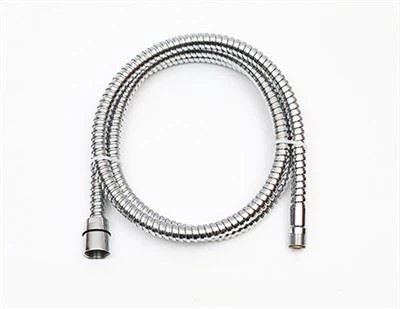
Hey there! As a supplier of Braided Faucet Hose, I've seen my fair share of dirty hoses. Over time, these hoses can accumulate all sorts of gunk like mineral deposits, rust, and dirt. Not only does this look gross, but it can also affect the water flow and the overall lifespan of your hose. So, in this blog, I'm gonna share some easy - peasy ways to clean the inside of a braided faucet hose.
Why Cleaning Your Braided Faucet Hose is a Big Deal
First off, let's talk about why you should even bother cleaning your hose. A dirty hose can restrict water flow. You might notice that the water pressure in your faucet has dropped, or it's not coming out as forcefully as it used to. That's often because of the build - up inside the hose. Also, all that dirt and grime can be a breeding ground for bacteria. You don't want that stuff getting into your water, right? And if you don't clean your hose regularly, it can actually wear out faster, which means you'll have to replace it sooner.
What You'll Need
Before you start cleaning, gather these items:
- White vinegar: It's a natural cleaner that can break down mineral deposits.
- A bucket: Big enough to submerge your hose.
- A soft - bristled brush: To scrub the inside if needed.
- A cloth: For drying the hose after cleaning.
Step - by - Step Cleaning Process
Step 1: Turn Off the Water Supply
This is a no - brainer. You don't want water spraying everywhere while you're trying to clean the hose. Locate the shut - off valve under your sink and turn it clockwise until it stops. This will cut off the water supply to the faucet.
Step 2: Remove the Hose
Next, you need to take the hose off the faucet. Most hoses are attached with a nut. Use a pair of pliers or an adjustable wrench to loosen the nut. Be careful not to overtighten or you might damage the hose or the faucet. Once the nut is loose, gently pull the hose away from the faucet.
Step 3: Prepare the Vinegar Solution
Fill your bucket with equal parts of white vinegar and water. Vinegar is great because it's acidic and can dissolve mineral deposits like calcium and magnesium. These deposits are often the main culprit behind a clogged hose. Stir the solution well to make sure the vinegar and water are mixed evenly.
Step 4: Submerge the Hose
Put the hose into the bucket with the vinegar solution. Make sure the entire hose is covered. You can use a weight or a utensil to hold it down if it keeps floating. Let the hose soak for at least 2 - 3 hours. If the hose is really dirty, you can leave it overnight.
Step 5: Scrub the Inside (Optional)
After soaking, take the hose out of the bucket. If you still see some stubborn deposits inside the hose, you can use a soft - bristled brush to gently scrub the inside. Be careful not to scratch the hose. You can also use a pipe cleaner to reach into the smaller areas.


Step 6: Rinse the Hose
Once you're done scrubbing (if you did it), rinse the hose thoroughly with clean water. You can do this by holding the hose under a running tap or by filling it with water and then squeezing it to force the water out. Keep doing this until the water runs clear and there's no more vinegar smell.
Step 7: Dry the Hose
Use a cloth to dry the outside of the hose. Then, let the hose air - dry completely before reattaching it to the faucet. This will prevent any mold or mildew from growing inside the hose.
Step 8: Reattach the Hose
Once the hose is dry, it's time to put it back on the faucet. Line up the end of the hose with the faucet and screw on the nut. Use your pliers or wrench to tighten it, but don't go overboard. You just want it to be snug.
Step 9: Turn On the Water Supply
Finally, turn on the water supply by turning the shut - off valve counterclockwise. Check for any leaks around the connection. If you see any water dripping, you might need to tighten the nut a little more.
Other Types of Hoses and Cleaning Tips
We also supply PVC Connection Hose and Nylon Braided Shower Hose. The cleaning process for these hoses is similar to the braided faucet hose. However, PVC hoses are a bit more delicate, so you need to be extra careful when scrubbing. Nylon braided shower hoses can also accumulate soap scum and dirt, so a good soak in the vinegar solution can work wonders.
Maintaining Your Braided Faucet Hose
Cleaning your hose regularly is important, but there are also some other things you can do to keep it in good shape. Don't bend the hose too sharply. This can damage the internal structure and lead to leaks. Also, try to keep the hose away from heat sources. High temperatures can weaken the material of the hose.
Why Choose Our Braided Faucet Hoses
As a supplier, we take pride in offering high - quality braided faucet hoses. Our hoses are made from durable materials that can withstand regular use and cleaning. They are designed to provide a steady water flow and are resistant to kinking. We also offer a wide range of styles and sizes to fit your specific needs.
Wrapping Up
Cleaning the inside of a braided faucet hose isn't as hard as it might seem. With a little time and the right tools, you can keep your hose in top condition. Regular cleaning will not only improve the water flow but also extend the life of your hose.
If you're in the market for a new braided faucet hose, PVC Connection Hose, or Nylon Braided Shower Hose, we'd love to talk to you. We can offer you great deals and the best quality products. Contact us for procurement and let's start a great business relationship!
References
- "Home Maintenance Handbook"
- DIY Home Improvement Magazines