Hey there! As a supplier of PVC connection hoses, I often get asked if these hoses require any maintenance. Well, let's dive right into it and find out.
First off, PVC connection hoses are pretty popular for a bunch of reasons. They're lightweight, flexible, and cost - effective. You can find them in all sorts of applications, from home gardening to industrial setups. But like any other piece of equipment, they do need some attention to keep them in good working condition.
General Maintenance Checks
One of the most basic things you should do is a visual inspection. Regularly take a look at your PVC connection hose. Check for any signs of wear and tear, like cracks, cuts, or abrasions. These can happen over time, especially if the hose is exposed to rough surfaces or sharp objects. If you spot any damage, it's important to address it right away. A small crack can quickly turn into a big leak, which can be a real hassle and might even cause some damage to your equipment or the surrounding area.
Another thing to keep an eye on is the fittings. The connections at the ends of the hose are crucial. Make sure they're tight and secure. Loose fittings can lead to leaks, and that's not something you want. You can use a wrench or a pair of pliers to give them a little tightening if needed, but be careful not to over - tighten and damage the fittings.
Cleaning
Cleaning your PVC connection hose is also an important part of maintenance. Over time, dirt, debris, and even some chemical residues can build up inside the hose. This can not only reduce the flow of whatever is passing through the hose but also cause blockages.
For a simple cleaning, you can use a mild soap and water solution. Just fill up a bucket with the soapy water and run it through the hose. You might need to use a brush to scrub the inside of the hose if there's a lot of stubborn dirt. Rinse it thoroughly with clean water afterward to make sure all the soap is gone.
If you're using the hose for more heavy - duty applications, like in an industrial setting where there are more complex chemicals involved, you might need a more specialized cleaning solution. But always make sure that the cleaning solution you choose is compatible with PVC. Using the wrong chemicals can damage the hose and shorten its lifespan.
Storage
Proper storage is often overlooked but can have a big impact on the longevity of your PVC connection hose. When you're not using the hose, don't just leave it lying around in the sun or in a damp area. UV rays from the sun can cause the PVC to become brittle over time, and moisture can lead to mold and mildew growth.

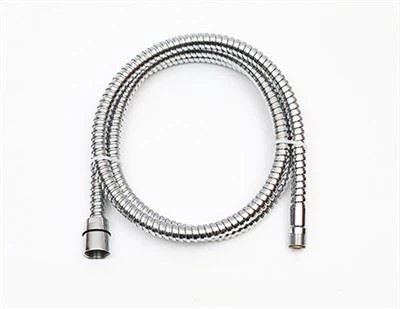
Instead, coil the hose neatly and store it in a cool, dry place. You can use a hose reel to keep it organized and prevent kinking. Kinks can not only restrict the flow but also weaken the hose at the kink point, making it more prone to damage.
Environmental Factors
The environment where the PVC connection hose is used also plays a role in its maintenance needs. If the hose is exposed to extreme temperatures, it can affect the performance of the PVC. In very cold temperatures, PVC can become stiff and more likely to crack. On the other hand, in very hot temperatures, it can become soft and lose its shape.
If you're using the hose in an area with extreme temperatures, you might need to take some extra precautions. For cold weather, you can insulate the hose to keep it from freezing. In hot weather, try to keep the hose shaded as much as possible.
Different Types of PVC Connection Hoses and Their Maintenance
There are different types of PVC connection hoses out there, and each might have its own specific maintenance requirements. For example, if you're using a Large Diameter Braided Hose, the braiding adds an extra layer of strength. But it also means that you need to be more careful when cleaning it. The braiding can trap dirt and debris, so you might need to use a more detailed cleaning method.
A Black Braided Hose might have some unique properties too. The black color can absorb more heat, so in hot weather, it's even more important to keep it cool. And the braiding, just like with the large - diameter one, needs special attention during cleaning.
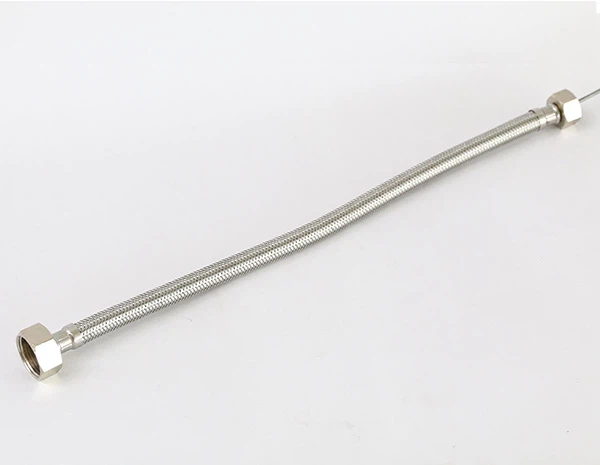
The Stainless Steel Braided Hose combines the flexibility of PVC with the strength of stainless - steel braiding. While the stainless - steel part is pretty durable, you still need to take care of the PVC inner layer. The braiding can protect the PVC from some external damage, but it doesn't mean you can neglect the other maintenance steps.
When to Replace
Even with proper maintenance, there comes a time when you'll need to replace your PVC connection hose. If you've noticed that the hose has multiple cracks, it's severely damaged, or if it's not performing as it should even after you've done all the maintenance steps, it's probably time for a new one.
Ignoring a damaged hose can lead to bigger problems down the line, like major leaks, equipment failures, or even safety hazards. So, don't be afraid to invest in a new hose when it's necessary.
Conclusion
So, to answer the question, yes, a PVC connection hose does require maintenance. But it's not overly complicated. With some regular visual inspections, cleaning, and proper storage, you can keep your hose in good shape for a long time.
If you're in the market for a new PVC connection hose or have any questions about maintenance, don't hesitate to reach out. We're here to help you find the right hose for your needs and give you all the advice you need on keeping it in top - notch condition.
References
- "Hose Maintenance Guide" - General Industry Publications
- "PVC Materials and Their Applications" - Plastics Research Journals