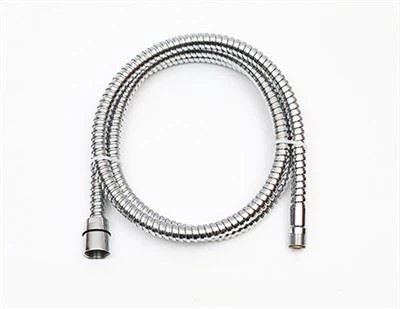
Do shower extension hoses affect water flow? That's a question I get asked a lot as a shower extension hose supplier. I've been in this business for quite a while, and I've seen all kinds of concerns from customers. So, let's dive into this topic and figure out what's really going on with water flow and shower extension hoses.
First off, we need to understand a bit about how water flow works. Water flow is basically the amount of water that moves through a pipe or hose in a given amount of time. It's measured in gallons per minute (GPM) or liters per minute (LPM). A bunch of things can affect water flow, like the water pressure from your home's plumbing system, the diameter of the hose, and the length of the hose.
Let's start with water pressure. Your home's plumbing system has a certain amount of pressure that forces water through the pipes and out of your showerhead. If the water pressure is low, you're going to have a weak stream of water no matter what kind of hose you use. On the other hand, if you have high water pressure, you've got a better chance of getting a good, strong flow.
Now, when it comes to shower extension hoses, the diameter plays a big role. A wider diameter hose can generally allow more water to pass through compared to a narrower one. That's because there's more space for the water to flow. For example, our Large Diameter Shower Hose is designed to maximize water flow. The larger opening gives the water more room to move, so you can get a more powerful shower experience.
But it's not just about the diameter. The length of the hose also matters. The longer the hose, the more resistance the water will face as it travels through. Think of it like trying to push a ball through a long tube. The longer the tube, the harder it is to get the ball all the way through. Similarly, water has to work harder to make it through a long shower extension hose. This can result in a decrease in water pressure and flow by the time it reaches the showerhead.
However, not all hope is lost if you need a longer hose. We've developed some great solutions, like our Reinforced Shower Hose. This hose is made with high - quality materials that reduce the internal friction, allowing water to flow more smoothly even over a longer distance. It's been tested to maintain a good water flow, even when you need that extra length.
Another factor to consider is the material of the hose. Cheaper hoses might have rough interiors that can cause more friction and slow down the water flow. Our Polished Brass Shower Hose has a smooth interior surface. This smoothness helps the water glide through the hose with less resistance, which means better water flow.
Some people also worry about kinks in the hose. A kink can really mess up the water flow. It's like pinching a straw. When you pinch a straw, the liquid can't flow through properly. The same goes for a shower hose. If it gets kinked, the water flow can be severely restricted. That's why our hoses are designed to be flexible and resistant to kinking.
Now, let's talk about how you can test the water flow with your shower extension hose. You can do a simple test at home. First, measure the water flow without the extension hose attached to your showerhead. You can use a bucket and a timer. Fill the bucket for a set amount of time, say one minute, and then measure how much water is in the bucket. Then, attach the shower extension hose and do the same test again. Compare the two results. If there's a significant drop in the amount of water collected, then the hose might be affecting the water flow.
But don't be too quick to blame the hose. Sometimes, other factors in your plumbing system could be the culprit. It could be a clogged showerhead, a problem with the water supply valve, or even an issue with the pipes in your walls.


In conclusion, shower extension hoses can affect water flow, but it depends on a few things. The diameter, length, material, and the presence of kinks all play a part. If you're looking for a hose that won't sacrifice water flow, we've got some great options for you.
If you're in the market for a shower extension hose and want to learn more about how our products can meet your needs, feel free to reach out. We're here to help you make the best choice for your shower setup. Whether you need a longer hose for some extra flexibility or a hose with a larger diameter for better flow, we've got you covered. Let's have a chat and see how we can improve your shower experience.
References
- Plumbing Basics: Understanding Water Flow and Pressure, Home Improvement Magazine
- Testing Water Flow in Residential Plumbing Systems, Journal of Plumbing Research