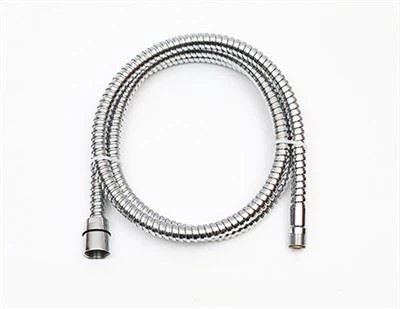
Hey there! I'm a supplier of Natural Gas Flex Hose, and I often get asked if it's okay to use a natural gas flex hose for a gas-powered water pump. Let's dig into this topic and find out what's what.
Understanding Natural Gas Flex Hoses
First off, what exactly is a natural gas flex hose? Well, it's a flexible tube designed to carry natural gas from the source to the appliance. These hoses are super handy because they can bend and twist, making it easier to install appliances in different locations. They're made from various materials, like stainless steel or corrugated metal, which are resistant to corrosion and can handle the pressure of natural gas.
The great thing about Natural Gas Flex Hose is that they're built to be safe. They go through strict testing to make sure they meet all the safety standards. This means you can trust them to deliver natural gas without any leaks or other issues.
Gas-Powered Water Pumps
Now, let's talk about gas-powered water pumps. These pumps are used in a variety of settings, from agricultural fields to construction sites. They're powered by natural gas, which makes them a convenient option, especially in areas where electricity isn't readily available.
Gas-powered water pumps need a reliable source of fuel to work properly. That's where the natural gas flex hose comes in. It's responsible for getting the natural gas from the supply line to the pump's engine. But can any old natural gas flex hose do the job?
Can I Use a Natural Gas Flex Hose for My Gas-Powered Water Pump?
The short answer is, it depends. There are a few factors you need to consider before using a natural gas flex hose for your gas-powered water pump.


Compatibility
The first thing you need to check is if the hose is compatible with your water pump. Different pumps have different requirements when it comes to the size and type of hose. You need to make sure the hose you choose can handle the flow rate and pressure of the natural gas your pump needs.
For example, some pumps might require a larger diameter hose to ensure enough gas gets to the engine. Using a hose that's too small could restrict the flow of gas, which would make the pump run inefficiently or even cause it to stop working altogether.
Safety Regulations
Another important factor is safety regulations. In many areas, there are specific rules and codes that govern the use of natural gas hoses. You need to make sure the hose you use complies with these regulations.
This might mean using a hose that's been approved by a recognized testing agency, like UL (Underwriters Laboratories). An approved hose will have a label indicating that it meets the necessary safety standards. Using a non-approved hose could not only be dangerous but could also get you in trouble with the law.
Environment
The environment where the water pump will be used is also a consideration. If the pump is going to be used outdoors, the hose needs to be able to withstand the elements. It should be resistant to UV rays, extreme temperatures, and moisture.
Some hoses are specifically designed for outdoor use and have additional protective coatings to make them more durable. Using a regular hose in an outdoor environment could cause it to deteriorate over time, increasing the risk of leaks.
Other Types of Gas Hoses
While natural gas flex hoses are a popular choice, there are other types of gas hoses you might consider for your gas-powered water pump.
PVC Gas Hose
PVC gas hoses are made from polyvinyl chloride, a type of plastic. They're lightweight and flexible, which makes them easy to install. However, they might not be as durable as natural gas flex hoses, especially in harsh environments.
PVC gas hoses are also more prone to kinking, which could restrict the flow of gas. If you're using a PVC gas hose, you need to be careful not to bend it too sharply or let it get pinched.
Gas Connect Hose
Gas connect hoses are designed specifically for connecting appliances to the gas supply. They're usually shorter and more rigid than natural gas flex hoses.
These hoses are often used for smaller appliances, like gas stoves or water heaters. While they might work for some gas-powered water pumps, you need to make sure they're compatible with your pump's requirements.
Making the Right Choice
So, how do you decide which type of hose is right for your gas-powered water pump? Here are a few tips:
- Read the Manual: The first thing you should do is read the owner's manual for your water pump. It will usually have information about the type of hose you should use.
- Consult a Professional: If you're not sure which hose to choose, it's a good idea to consult a professional. A plumber or a gas technician can help you determine the best hose for your pump and make sure it's installed correctly.
- Consider Your Budget: Different types of hoses have different price points. You need to consider your budget when making your decision. However, remember that safety should always be your top priority.
Contact Us for Your Hose Needs
If you're in the market for a natural gas flex hose for your gas-powered water pump, look no further! As a leading supplier of Natural Gas Flex Hose, we have a wide range of options to choose from.
Our hoses are made from high-quality materials and are designed to meet all the safety standards. We can help you find the right hose for your pump, whether you're using it in a residential, commercial, or industrial setting.
Don't hesitate to reach out to us if you have any questions or need more information. We're here to help you make the best choice for your gas-powered water pump. Contact us today to start the conversation and get the perfect hose for your needs.
References
- "Gas Piping Handbook" by the American Gas Association
- "National Fuel Gas Code" by the National Fire Protection Association