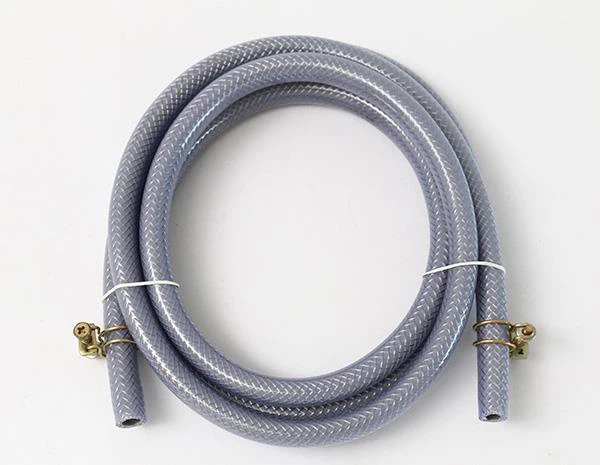
When it comes to the safety and functionality of gas systems, the integrity of the hoses used is of utmost importance. As a PVC gas hose supplier, I often get asked whether a PVC gas hose can be repaired if it's damaged. In this blog post, I'll delve into this question, exploring the possibilities, limitations, and best practices related to repairing PVC gas hoses.
Understanding PVC Gas Hose and Its Applications
PVC gas hoses are widely used in various applications due to their flexibility, affordability, and resistance to corrosion. They are commonly found in residential settings for connecting gas appliances such as stoves, water heaters, and dryers. In commercial settings, they are used in restaurants, cafes, and small food processing units. You can find a wide range of high - quality PVC Gas Hose on our website, which are designed to meet different requirements.
Common Types of Damage
PVC gas hoses can suffer from different types of damage over time. One of the most common issues is abrasion. Hoses can rub against rough surfaces, sharp edges, or other objects, causing the outer layer of the PVC to wear down. This can expose the inner layers and potentially lead to gas leaks.
Another type of damage is cracking. PVC is sensitive to temperature changes. Extreme cold can make the material brittle, leading to cracks. Chemical exposure can also cause the PVC to degrade and crack. Additionally, excessive bending or kinking of the hose can weaken the material and result in cracks.
Punctures are also a significant concern. Sharp objects can pierce through the hose, creating a direct passage for gas to escape.
Can a PVC Gas Hose Be Repaired?
The answer to whether a PVC gas hose can be repaired is not a simple yes or no. It depends on several factors, including the type and extent of the damage.
Minor Damage: Abrasion and Small Cracks
In the case of minor abrasions or very small cracks on the surface of the PVC gas hose, it may be possible to repair it. However, it's crucial to note that any repair should only be done by a qualified professional. For minor abrasions, a special PVC repair tape can be used. The tape is designed to seal small gaps and protect the damaged area from further degradation. When using the repair tape, it's essential to clean the damaged area thoroughly to ensure proper adhesion.
It's also important to mention that this type of repair is only a short - term solution. A repaired hose in such a situation should be closely monitored for any signs of further deterioration. And in most cases, it's recommended that the hose be replaced as soon as possible for long - term safety.

Major Damage: Large Cracks, Punctures, and Severe Degradation
When it comes to large cracks, punctures, or severe degradation of the PVC gas hose, repair is generally not recommended. These types of damage pose a significant risk of gas leaks, which can be extremely dangerous. Gas leaks can lead to fires, explosions, or asphyxiation.
For example, a punctured hose cannot be effectively sealed to prevent gas from escaping. Even if a temporary fix is attempted, the pressure inside the hose can cause the seal to fail over time. Similarly, a severely cracked hose has lost its structural integrity, and any repair may not hold up under normal operating conditions.
Safety Considerations
Safety is the top priority when dealing with PVC gas hoses. Any attempt to repair a damaged hose must follow strict safety protocols. First and foremost, the gas supply should be shut off before any inspection or repair work is carried out. This prevents the risk of gas leakage during the process.
If a repair is deemed possible, the repaired hose should be thoroughly tested for leaks. This can be done using a gas leak detector or by applying a soapy water solution to the repaired area. If bubbles form, it indicates a gas leak, and the repair needs to be redone or the hose replaced.
It's also important to comply with local building codes and regulations. In many areas, there are specific rules regarding the repair and replacement of gas hoses. Failure to comply with these regulations can result in fines and, more importantly, put lives and property at risk.
Alternatives to Repair
In most cases where a PVC gas hose is damaged, replacement is the safest and most reliable option. We offer a variety of high - quality gas hoses, including Natural Gas Flex Hose and Gas Connect Hose. These hoses are designed to meet strict safety standards and are built to last.
Replacing a damaged hose with a new one ensures that there are no hidden risks associated with the repair. A new hose provides peace of mind and reduces the likelihood of gas - related accidents.
Maintenance and Prevention of Damage
To minimize the risk of damage to PVC gas hoses, regular maintenance is essential. Inspect the hoses regularly for signs of wear and tear, such as cracks, abrasions, or bulges. Keep the hoses away from sharp objects and rough surfaces.
Proper installation is also crucial. Ensure that the hoses are not bent or kinked, as this can weaken the material over time. Use appropriate fittings and connectors to prevent leaks.
Conclusion and Call to Action
In conclusion, while it may be possible to repair minor damage to a PVC gas hose, major damage usually requires replacement for safety reasons. As a trusted PVC gas hose supplier, we are committed to providing high - quality products and ensuring the safety of our customers.
If you are in need of a new PVC gas hose or have any questions about our products, we encourage you to contact us for procurement discussions. Our team of experts is ready to assist you in finding the right gas hose for your specific needs.
References
- "Gas Installation and Safety Guidelines", National Fire Protection Association
- "PVC Material Properties and Applications", Plastics Industry Association
- "Safety Standards for Gas Hoses", International Organization for Standardization (ISO)