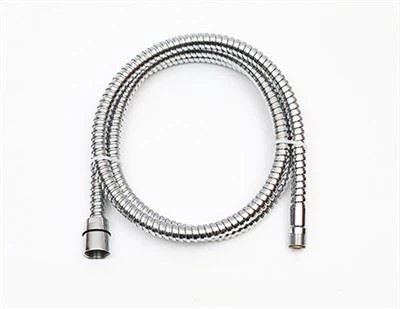
Hey there! As a supplier of PVC connection hoses, I often get asked if these hoses can be used in the textile industry. Well, let's dive right into it and find out.
First off, let's talk about what PVC connection hoses are. PVC, or polyvinyl chloride, is a synthetic plastic polymer that's known for being durable, flexible, and resistant to a variety of chemicals. PVC connection hoses are made from this material and are used to connect different parts of a system, allowing the flow of liquids or gases.
Now, let's look at the textile industry. This industry is all about producing fabrics and textiles, which involves a lot of processes like dyeing, printing, and finishing. These processes often require the use of various chemicals, water, and sometimes steam. So, can PVC connection hoses handle these conditions?
One of the main advantages of PVC connection hoses in the textile industry is their chemical resistance. Many of the chemicals used in textile processing, such as dyes, bleaches, and detergents, can be harsh on materials. PVC hoses can withstand exposure to a wide range of these chemicals without degrading quickly. This means they can last longer and reduce the need for frequent replacements, which can save a lot of money in the long run.
Flexibility is another key factor. In a textile factory, there are often complex setups with equipment that needs to be connected in different configurations. PVC connection hoses are highly flexible, which makes them easy to install and maneuver around machinery. They can be bent and shaped to fit into tight spaces, allowing for a more efficient use of the factory floor.
Durability is also crucial. Textile manufacturing can be a rough environment, with hoses being subjected to constant movement, vibrations, and occasional impacts. PVC hoses are tough and can handle these conditions well. They are less likely to crack or break compared to some other types of hoses, which helps to ensure a continuous and reliable flow of fluids or gases in the production process.


However, it's not all sunshine and rainbows. There are a few things to consider when using PVC connection hoses in the textile industry. For example, some high - temperature processes in textile finishing, like steam ironing or heat setting, may pose a challenge. PVC has a relatively low heat resistance compared to some other materials. If the temperature gets too high, the hose may soften or even melt, which can lead to leaks and production disruptions. So, for applications where high temperatures are involved, it might be necessary to use hoses with additional heat - resistant coatings or consider alternative materials.
Another thing is the potential for plasticizers in PVC to leach out. Plasticizers are added to PVC to make it more flexible, but in some cases, they can migrate out of the hose and contaminate the fluids or products in contact with it. This could be a concern in the textile industry, especially when dealing with products that come into direct contact with the skin, like clothing. To address this issue, there are now low - migration or non - migrating PVC hoses available on the market, which can be a better choice for such applications.
Now, let's take a look at some of the alternatives to PVC connection hoses in the textile industry. There are different types of braided hoses that might also be suitable. For example, the Polyester Braided Hose offers good strength and flexibility. Polyester is a strong synthetic fiber, and when used in a braided hose, it can provide additional reinforcement, making the hose more resistant to pressure and abrasion.
The Large Diameter Braided Hose can be useful in applications where a large volume of fluid or gas needs to be transported. These hoses are designed to handle high - flow rates and can be a great option for large - scale textile manufacturing operations.
And then there's the Nylon Braided Shower Hose. Nylon is known for its high strength and resistance to wear. While it's often associated with shower applications, it can also be used in the textile industry, especially in areas where there is a need for a durable and flexible hose.
So, in conclusion, PVC connection hoses can definitely be used in the textile industry, but it's important to carefully assess the specific requirements of each application. If the conditions are within the capabilities of PVC in terms of temperature, chemical exposure, and pressure, then PVC hoses can be a cost - effective and reliable choice. But for more demanding applications, alternative hoses like the ones mentioned above might be a better fit.
If you're in the textile industry and are looking for hoses for your operations, I'd love to have a chat with you. Whether you need more information about PVC connection hoses or want to explore other options, I'm here to help. Just reach out, and we can discuss the best solutions for your specific needs.
References:
- Textile Manufacturing Handbook: Chemicals and Processes
- Plastic Materials in Industrial Applications: A Practical Guide