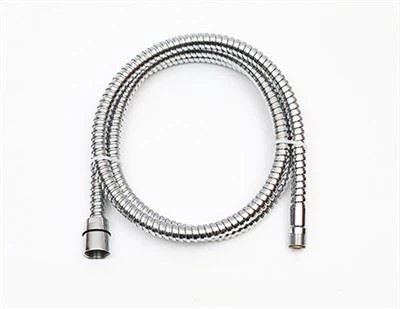
Attaching a washing machine hose to a faucet is a task that many homeowners will encounter at some point. Whether you're setting up a new washing machine or replacing an old hose, it's important to do it correctly to prevent leaks and ensure the proper functioning of your appliance. As a supplier of high - quality washing machine hoses, I'm here to guide you through the process step by step.


Step 1: Gather Your Tools and Materials
Before you start, make sure you have all the necessary tools and materials. You'll need a pair of adjustable pliers, a new Washing Machine Inlet Hose (if you're replacing the old one), and possibly a Teflon tape. The Teflon tape is used to create a better seal and prevent leaks.
Step 2: Turn Off the Water Supply
Locate the water shut - off valve near the faucet. This valve is usually located under the sink or on the wall behind the washing machine. Turn the valve clockwise until it stops to shut off the water supply. It's crucial to do this step to avoid any water spills during the hose attachment process.
Step 3: Remove the Old Hose (if applicable)
If you're replacing an old hose, use the adjustable pliers to loosen the nuts that connect the hose to the faucet and the washing machine. Hold the faucet or the washing machine connection with one hand while turning the nut counter - clockwise with the pliers. Be careful not to overtighten or damage the connections. Once the nuts are loose, gently pull the old hose away from the faucet and the washing machine.
Step 4: Prepare the Faucet
Inspect the faucet connection for any signs of damage or debris. If there are any rust or dirt, clean the connection with a cloth or a small brush. If the threads on the faucet are damaged, you may need to replace the faucet or use a thread repair kit.
Step 5: Apply Teflon Tape (Optional but Recommended)
If you have Teflon tape, wrap it around the threads of the faucet in a clockwise direction. Make sure to cover the threads evenly and tightly. This will help create a better seal and prevent leaks. However, some modern hoses come with built - in gaskets that don't require the use of Teflon tape.
Step 6: Attach the New Hose
Take your new Washing Machine Inlet Hose and align the nut on the hose with the faucet connection. Start threading the nut onto the faucet by hand. Once it's hand - tight, use the adjustable pliers to give it an extra quarter - turn to ensure a secure connection. Be careful not to overtighten, as this can damage the threads or the hose.
Step 7: Connect the Hose to the Washing Machine
On the other end of the hose, there is a connection for the washing machine. Align the nut on the hose with the washing machine connection and thread it on by hand. Again, use the pliers to give it a gentle quarter - turn to make sure it's tight.
Step 8: Check for Leaks
Once the hose is attached to both the faucet and the washing machine, turn on the water supply by turning the shut - off valve counter - clockwise. Check the connections for any signs of leaks. If you see water dripping, turn off the water supply again and use the pliers to tighten the nuts a little more.
Step 9: Attach the Drain Hose
The Washing Machine Drain Hose is equally important as the inlet hose. Most washing machines come with a pre - attached drain hose. You need to connect this hose to a suitable drain. This could be a standpipe or a drain in the floor. Make sure the drain hose is inserted securely into the drain. If using a standpipe, the hose should be at least 30 inches high to prevent back - siphoning.
Maintenance Tips
- Regularly inspect your washing machine hoses for signs of wear and tear, such as cracks, bulges, or leaks. Replace any damaged hoses immediately.
- Avoid kinking the hoses, as this can restrict water flow and cause damage to the hoses over time.
- If you're going on an extended vacation, it's a good idea to turn off the water supply to the washing machine to prevent any potential leaks.
Why Choose Our Washing Machine Hoses
As a leading supplier of washing machine hoses, we offer a wide range of high - quality products. Our hoses are made from durable materials that can withstand high water pressure and temperature changes. They are designed to provide a tight and leak - free connection, ensuring the long - term performance of your washing machine.
We understand that different washing machines have different requirements, which is why we offer a variety of hose lengths and sizes to meet your specific needs. Whether you have a large - capacity washing machine or a compact one, we have the right hose for you.
Contact Us for Purchase and Negotiation
If you're in the market for new washing machine hoses, we invite you to contact us for a detailed negotiation. Our team of experts is ready to assist you in choosing the right hoses for your washing machine. We offer competitive prices and excellent customer service. Don't hesitate to reach out to us to discuss your requirements and get the best deal on washing machine hoses.
References
- "Home Appliance Installation Guide" - A general guidebook on installing home appliances, including washing machines.
- Manufacturer's manuals of various washing machines for specific hose connection instructions.